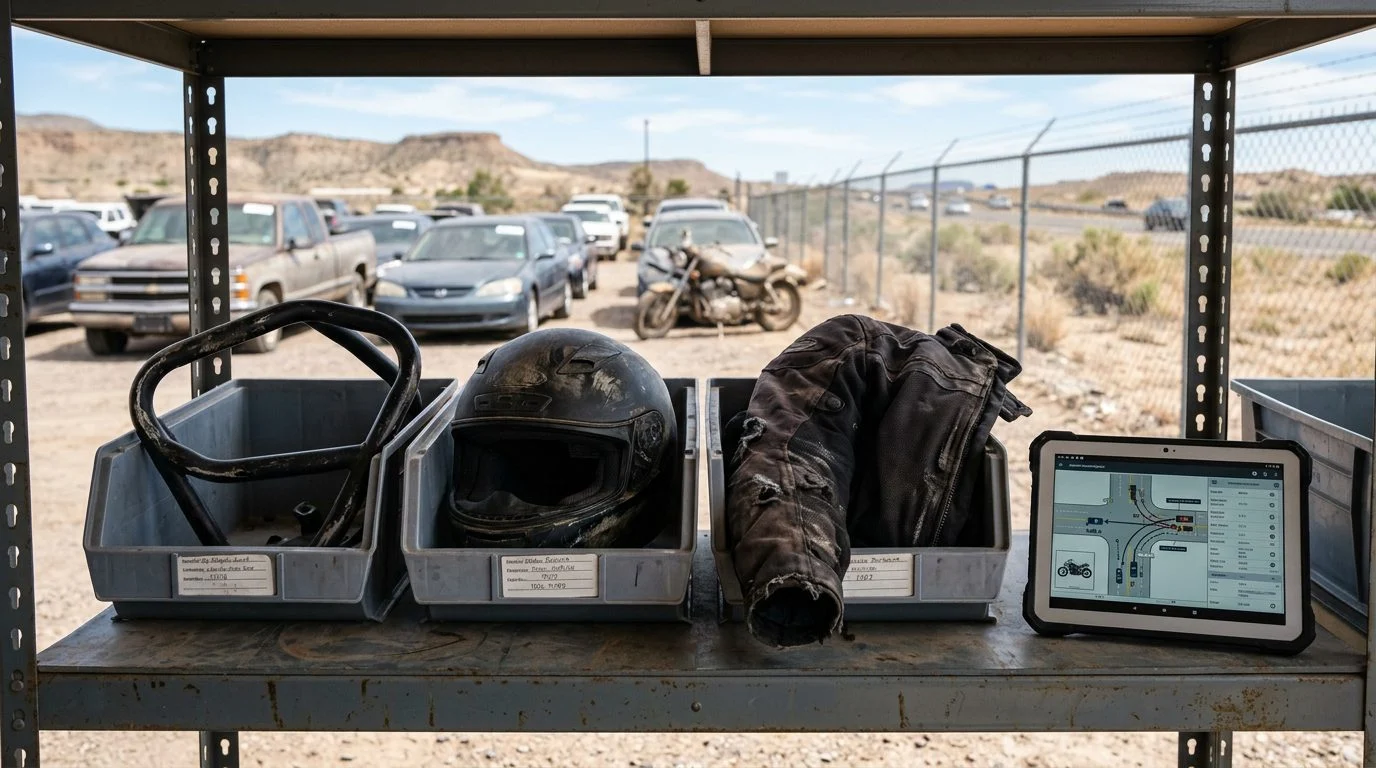
Rio Rancho · Negligent Security and Spinal Cord Injury
Hurt on Someone Else's Property? Talk to El Gringo Law
Injuries from inadequate security can change your health, your work, and your family's daily life. We focus on helping you understand your situation in plain language.
By Josh Wood · Published November 12, 2026
If someone attacked you or a family member on a Rio Rancho property and left a spinal cord injury, you may be asking whether the property owner is responsible. In New Mexico, a property owner may be responsible when weak security let a foreseeable attack cause harm. Here is how a negligent security spinal cord injury claim works, and what to expect next.
What Is a Negligent Security Spinal Cord Injury Claim?
A negligent security claim says a property owner failed to take reasonable steps to protect people, and that failure let a crime cause injury.
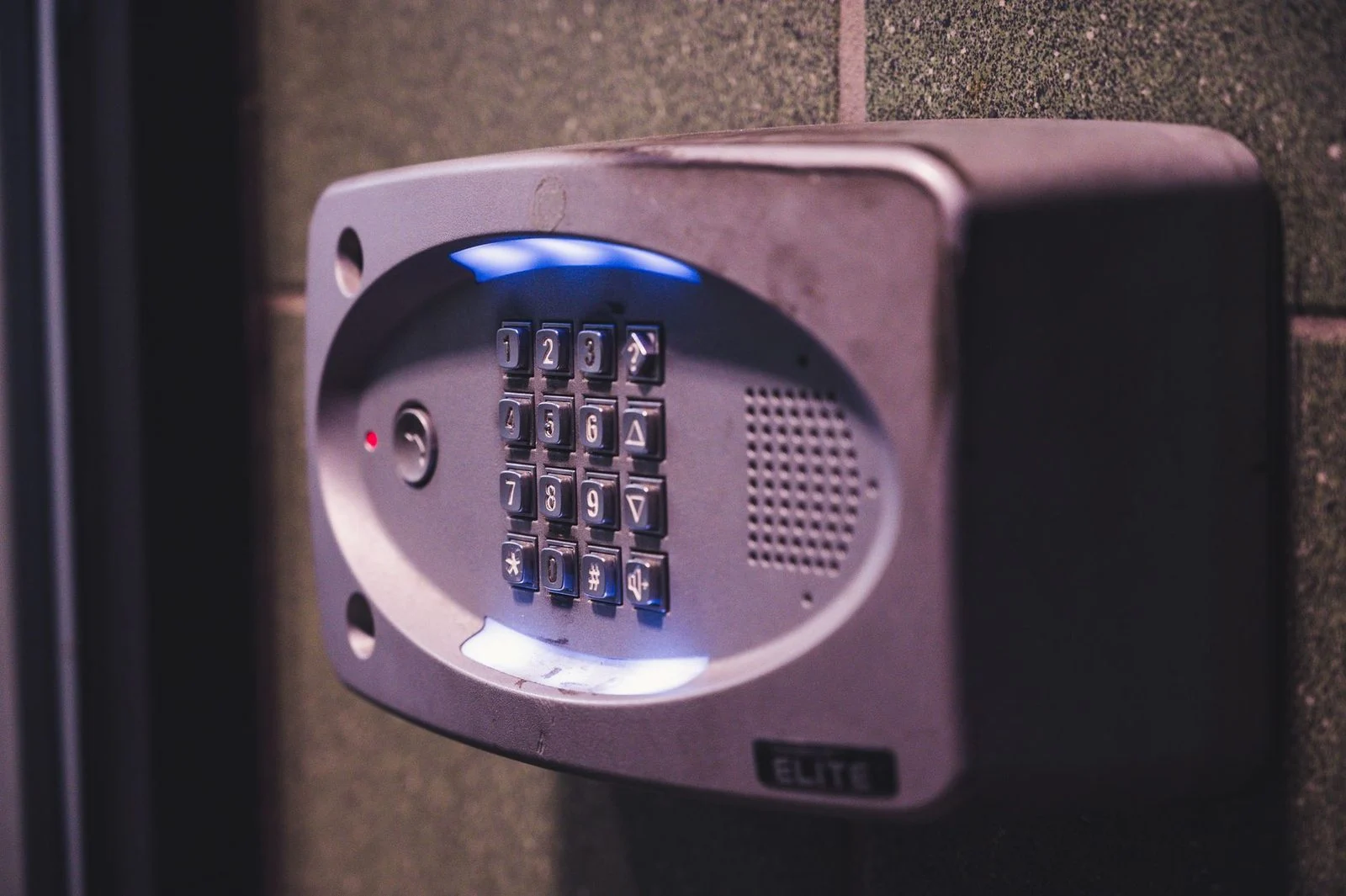
Owners and managers run apartments, parking lots, hotels, bars, and stores. When security is weak, people can get hurt. Common gaps include poor lighting, broken locks, missing cameras, no guards, open gates, and no response to known problems.
New Mexico law says a landowner must use ordinary care to protect visitors from harm caused by a third party’s foreseeable conduct, including criminal conduct (UJI 13-1320 NMRA).
A spinal cord injury can follow a fall, a blow, a gunshot, or a stabbing during an attack. The injury can be partial or complete. It can change work, family roles, and daily life.
This page is for Rio Rancho and Sandoval County residents, and for family members, who were hurt in a crime on or near a property with weak security. For background, read our New Mexico spinal cord injury page.
If a spinal cord injury followed an attack on a Rio Rancho property, you may have a claim, and our team can talk it through with you. Talk it through with our team — the first consultation is free, confidential, and carries no obligation.
What Can a Negligent Security Claim Cover?
A claim seeks money for losses the injury caused. The losses that apply depend on the facts of the attack and the injury.
Losses in these cases may include:
- Emergency and ongoing medical care
- Rehabilitation and therapy
- Equipment, such as wheelchairs, and home changes
- Future medical needs
- Lost wages and reduced ability to earn
- Pain, suffering, and loss of enjoyment of life
Many costs only show up over time. Spinal cord injury cases often need medical opinions about future care. Our team works with treating providers to document those needs early.
A close family member may have a separate loss of consortium claim. New Mexico’s Supreme Court held that these damages belong to the family member, not the injured person (Thompson v. City of Albuquerque).
Serious injuries like these also fit our catastrophic injury consultation page for Rio Rancho and Sandoval County.
How Are Negligent Security Claims Built?
A claim generally needs proof of a duty, a failure to meet that duty, a link to the attack, and a spinal cord injury caused by that link.
New Mexico’s Supreme Court describes negligence as a duty, a breach of that duty, and a breach that is a cause of the damages (Herrera v. Quality Pontiac).
Useful evidence often includes:
- Prior incident reports and police reports
- Security logs, staffing records, and camera footage
- Lighting, lock, and gate conditions on the day of the attack
- The property’s known crime history
Public data can show whether an attack was foreseeable. The FBI Crime Data Explorer reports agency-level crime data for New Mexico. The Bureau of Justice Statistics crime survey tracks where assaults happen, including parking lots and apartments.
Video may be overwritten, so early written requests matter. New Mexico also recognizes liability for intentionally destroying evidence, even before a lawsuit is filed (Torres v. El Paso Electric).
Medical proof matters too. Imaging, neurological findings, treatment records, and a treating doctor’s view on permanence all shape the claim.
What Happens Step by Step?
The process has five steps: consultation, evidence, medical records, investigation, and a claim or lawsuit.
- First consultation. We review what happened, where it happened, and the care you have received. You have no obligation to continue.
- Evidence requests. We ask for security records, footage, and incident reports while they still exist.
- Medical documentation. We coordinate with treating providers and watch the long-term picture as it becomes clear.
- Investigation. We look at the owner’s and any manager’s responsibility, plus insurance coverage. Under New Mexico’s several liability rule, a defendant generally pays only its share of total fault, with exceptions such as intentional wrongdoing (NMSA 1978, § 41-3A-1).
- Claim or lawsuit. We negotiate with insurers. If needed, we file suit in New Mexico court.
Time limits matter. New Mexico generally gives three years to bring an action for an injury to the person (NMSA 1978, § 37-1-8). Minors and incapacitated persons get one year after the incapacity ends (NMSA 1978, § 37-1-10).
Why Work With El Gringo Law in Rio Rancho?
El Gringo Law represents people hurt in injury cases, including people in Rio Rancho and Sandoval County.
Our practice areas include:
- Car accidents and trucking accidents
- Premises liability and negligent security
- Wrongful death and sexual assault
- Catastrophic injuries, spinal cord injuries, amputations, and burn injuries
Josh Wood is the responsible lawyer for this page. He is licensed in New Mexico and Arizona. Our team of assistants and office staff supports his work.
We explain each step in plain words. We also pay attention to the medical and work demands an injury creates, so you know what comes next.
Frequently Asked Questions
Can I bring a claim if the attacker was never caught?
The owner’s duty covers foreseeable crime by third parties, so the owner’s security is central. Whether the attacker was caught is one fact among many.
What if I was partly at fault?
Your share of fault can lower the amount you can recover.
How long do I have to file?
New Mexico generally allows three years for an injury to the person, and minors and incapacitated persons may get more time. Time limits can change with the facts, so early review helps.
Do I have to go to court?
Some claims settle before a lawsuit, and some need one. We explain both paths during the consultation.
Does the consultation cost anything?
The first consultation is free, confidential, and carries no obligation to continue.
Who handles my case?
Josh Wood is the responsible lawyer. Our team of assistants and office staff supports the work.
Not sure what your next step is?
Talk it through with our team — the first consultation is free, confidential, and carries no obligation.

Talk With Josh Wood About Your Rio Rancho Injury
If a spinal cord injury followed an assault in a Rio Rancho apartment lot, store, or bar, a conversation about what happened is the next step.
You may have a claim against the property owner, and you do not have to sort it out alone. Contact El Gringo Law through the contact page to call, submit the form, or start a chat with Josh Wood.
What to expect when you contact us
Free first consultation
Your first consultation is free, confidential, and comes with no obligation to continue.
Plain-language answers
We explain the process in terms you can follow, without legal jargon or pressure.
Support for you and your family
Serious injuries affect everyone close to you. We take the time to hear the whole story.
Serving Rio Rancho and New Mexico
We help people in Rio Rancho and Sandoval County, as well as across New Mexico, with personal injury matters.
Bring what you have
If you are able, gather your medical records, discharge papers, photos of the location, and any incident or police reports. Sharing these at your consultation helps us understand what happened.
Cases we focus on
Negligent security
Injuries from assaults or crimes on property where security may have been inadequate, such as apartments, parking areas, hotels, and businesses.
Spinal cord injuries
Injuries that affect movement, sensation, and independence, often requiring long-term medical care and planning.
Catastrophic injuries
Severe harm that changes the way you live, work, and care for yourself and your family.
Wrongful death
Families facing the loss of a loved one due to another party's carelessness or wrongdoing.