Spinal Cord Injury | New Mexico
Home Modifications After a Spinal Cord Injury: Planning Changes That Support Daily Life
A practical guide to the changes many families consider at home, and how a free, confidential first consultation can help you plan your next step.
By Josh Wood · Published November 13, 2026
Home modifications after a spinal cord injury in New Mexico can be costly, and the changes often come fast. Doorways may be too narrow for a wheelchair, and the shower may need a new design. If you’re helping a family member through this, you may be asking whether these costs belong in an injury claim.
They can, when the injury creates the need for them. Whether a specific cost is recoverable depends on the facts and the applicable law. This guide explains which costs are commonly documented and how to organize them now. For background, read our spinal cord injury claims overview.
What Home Modifications and Wheelchair Costs Mean in a Claim
Costs connect to a claim when the injury, not personal preference, creates the need. A claim generally has to show that the crash caused the injury and that the injury caused the loss. New Mexico describes a cause as something that contributes to bringing about the injury, and without which the injury would not have occurred. It does not have to be the only cause, under the state’s causation instruction. The New Mexico Supreme Court made a similar point in Herrera v. Quality Pontiac. It described proximate cause as the cause that, in a natural and continuous sequence, produces the injury.
Here’s what that means in practice. A ramp built because a person now uses a wheelchair is easier to tie to the injury. A remodel chosen for other reasons is harder to tie to it. The records you keep now are what show that link.
If you’re handling this for a parent, spouse, or adult child, you don’t have to sort it all out at once. Start with the changes already made and the ones the treatment team has recommended. Those two lists give you a clear place to begin.
If you're gathering home and equipment costs for a family member, you don't have to sort them out alone. We can talk them through in a free, confidential first consultation. Talk it through with our team — the first consultation is free, confidential, and carries no obligation.
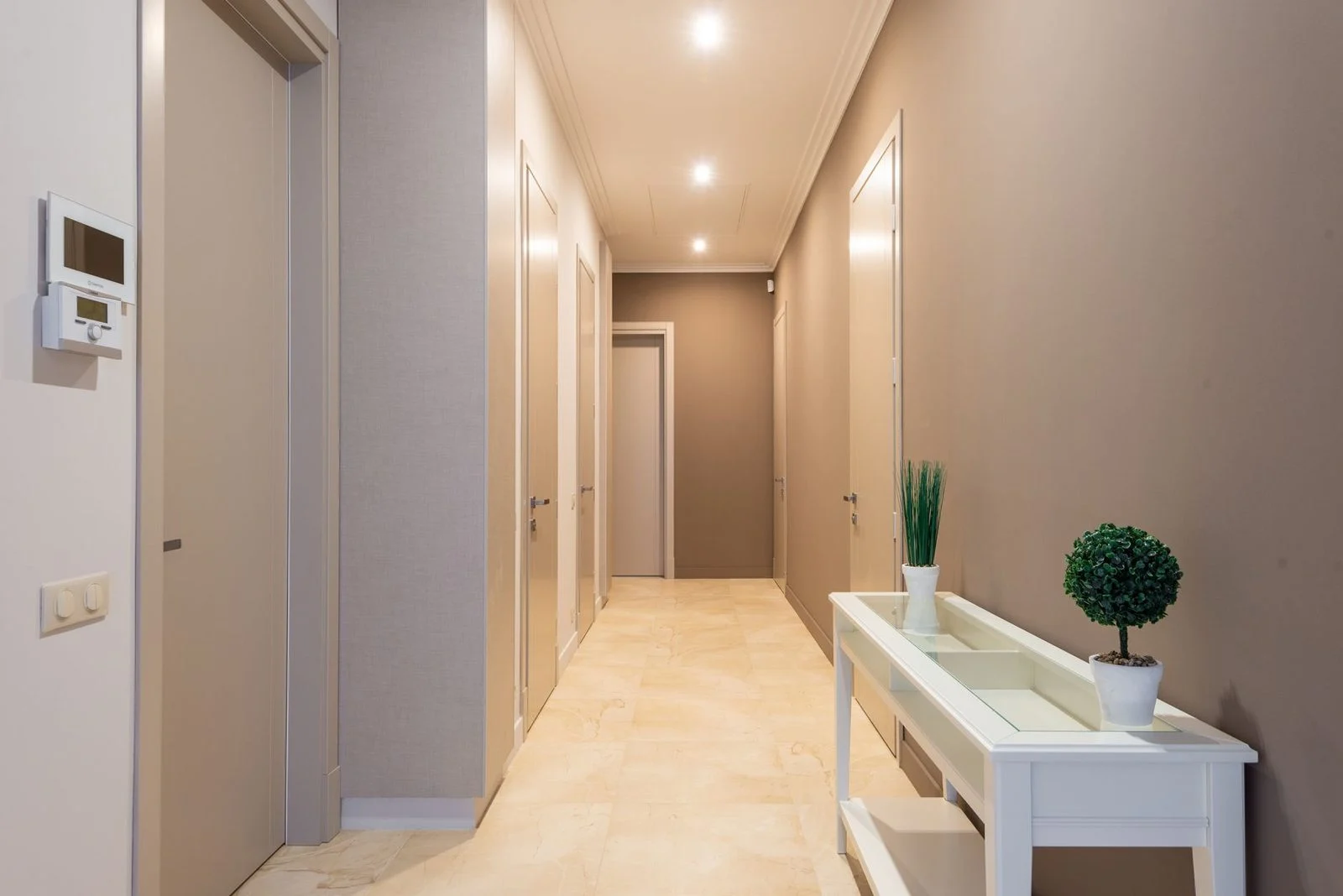
Which Home Changes Are Commonly Needed After a Spinal Cord Injury?
Common changes include step-free entries, wider doorways, lowered counters and sinks, roll-in or open showers, grab bars, and stair or platform lifts. Each one solves a specific daily problem. A ramp helps with getting in and out of the home. A roll-in shower addresses bathing safety. Lowered counters help with cooking and reaching storage.
The right set of changes follows from the level and type of injury, the layout of the home, and what the treatment team recommends. Two homes can need very different work even when the injury looks similar on paper. That is why a general list is a starting point, not a plan.
Good records tie each change to a task. Write down what the person could not do before the change, such as moving from a wheelchair to a bed. Then note what the change now allows. Plain words work best. A sentence like “the bathroom door is too narrow for the chair to turn” is more useful than “accessibility upgrade.”
What Do Wheelchairs and Mobility Equipment Cost Over Time?
Mobility equipment costs include the device itself, plus the parts and repairs that keep it working. The device type is typically recommended by the person’s medical and rehabilitation team. Manual wheelchairs, power wheelchairs, and custom seating each serve different needs, and each carries its own cost.
Ongoing costs often add up more than the first purchase. Families track repairs, replacement parts, batteries, tires, cushions, and replacement when a chair wears out or needs change. Keep a dated list of each repair and who paid for it. Gaps in that list are easy to create and hard to fix later.
Some households also need vehicle changes, such as a lift or hand controls, so the person can ride safely. If that applies, document the need and the cost the same way. Ask the treatment team to note in writing why a particular device or change is needed.
Adaptive Clothing and Daily-Living Aids Add Up
Adaptive clothing and daily-living aids are small purchases that repeat over months and years. Garments with hook-and-loop closures (Velcro), magnetic closures, or larger buttons and openings are easier to manage from a seated position. Reachers, dressing sticks, long-handled tools, and adapted utensils work the same way. They help with daily tasks without needing another person’s hands.
Each item may look minor on its own. Together they can become a meaningful part of the cost of living with a spinal cord injury. That is why small items are often the ones left out when costs are gathered later.
Keep a running list with dates, store names, and receipts. Write the reason next to each purchase, such as “for dressing from a seated position.” A short note like that connects the item to the injury rather than to general preference. The list is easy to start today and hard to rebuild from memory.
How to Document Home and Equipment Costs for a Claim
Useful records tie each cost to a specific need and show what was paid. Start with contractor estimates and final invoices for home work. Equipment prescriptions and invoices come next, along with notes from the treatment team that explain why each change or device is needed.
Dated photos help too. Take pictures before and after each modification, and keep the original files. Keep a simple log of out-of-pocket spending, including mileage to appointments and trips to pick up equipment. Note which costs insurance or another source paid, so the totals are accurate.
A common mistake is waiting to gather records until someone asks for them. Costs from the first weeks after an injury are often the hardest to reconstruct later. Store paper receipts in one folder, in date order, and make scans as you go.
How Current Costs and Future Care Needs Differ
Current costs are bills already paid, while future needs are costs still ahead. Future needs often include equipment replacement, home upkeep, and changes in care as a person’s condition or age changes. Both kinds of cost need records that connect them to the injury.
Future estimates are built on the individual’s own medical records and provider recommendations, not on averages. That makes written recommendations important. Ask providers to put their advice in writing, and keep each updated version with the file.
Projections change as the medical course changes. A plan written early may look different after a few months of rehabilitation. Keep the updated notes rather than replacing the old ones, so the history stays clear.
Not sure what your next step is?
Talk it through with our team — the first consultation is free, confidential, and carries no obligation.
How Fault Rules and Insurance Affect What a Claim Can Recover
Fault rules and insurance limits both shape how much a claim can pay. New Mexico uses comparative negligence, which reduces the damages by the injured person’s percentage of fault. The comparative negligence instruction shows how the reduction is calculated.
When more than one party contributed, NMSA 1978, § 41-3A-1 generally makes each defendant liable only for its own share of fault. The statute lists exceptions, including acts done with intent to injure and certain situations where one person is responsible for another’s acts.
New Mexico also requires auto liability policies to include uninsured and underinsured motorist coverage, unless the named insured rejects it (NMSA 1978, § 66-5-301).
Common questions
How long do I have to file a claim in New Mexico?
NMSA 1978, § 37-1-8 sets a three-year limit for actions for injury to a person. Other rules can apply to some claims, so the facts matter.
Do records still matter if my family member was partly at fault?
Yes. Fault reduces damages by a percentage, so the documented amounts are the starting point.
Can a family member bring a claim of their own?
Some close relatives may have a loss-of-consortium claim, and that claim belongs to them.

Bringing Your Family’s Paperwork to El Gringo Law
If you’re gathering costs for someone you love, you can bring that paperwork to El Gringo Law. You may be doing this while your family member is still recovering. Decisions about the home, equipment, and bills can feel urgent, and you don’t have to organize all of it alone.
This page is the responsibility of Josh Wood, a lawyer licensed in New Mexico and Arizona with El Gringo Law. You can reach the firm through elgringolaw.com.
If your family’s home and equipment costs are on your mind, bring your estimates, prescriptions, and receipts to a free, confidential first consultation with no obligation to continue. Start through the contact form.
Common areas families review at home
Entry and movement
Ramps, widened doorways, level thresholds and clear paths between rooms are often the first items families look at.
Bathroom and kitchen access
Roll-in showers, grab bars, lowered counters and reachable storage can change how daily routines feel.
Bedroom and living spaces
Adjustable spaces, clear floor areas and safe transfer zones help make rest and everyday activities more manageable.
Transportation at home
Vehicle access, garage layout and equipment storage can be part of the planning conversation.
Keep records before changes begin
Save written estimates, photos of your home before work starts, and receipts for every modification. Organized records make it easier to explain your needs to your care team and to anyone reviewing your situation.
Why reach out to El Gringo Law
Free first consultation
Your initial consultation is free, confidential and without obligation to continue.
Support from our team
Our lawyers and staff focus on personal injury matters, including catastrophic injuries and spinal cord injuries.
Clear next steps
We take time to explain your options so you can decide what fits your family.
Reach us your way
Call, submit a contact form or start a chat with our team.