Spinal Cord Injury · Premises Liability · Albuquerque
Hurt on someone else's property in Albuquerque? Start with a conversation about your spinal cord injury.
El Gringo Law represents people injured by unsafe property conditions across Bernalillo County and New Mexico. Your first consultation is free, confidential, and carries no obligation to continue.
By Josh Wood · Published October 28, 2026
A spinal cord injury from a fall on someone else’s property can support a premises liability claim when the owner failed to keep the area reasonably safe. Whether your situation fits that pattern turns on how the fall happened, who controlled the property, and what they knew. This guide explains the basics in plain language for people in Albuquerque and Bernalillo County, and for the family members who often help them.
What a Spinal Cord Injury From a Fall Involves
A spinal cord injury is damage to the nerves that run through the spine. It can change movement, feeling and some body functions. The spinal cord has three layers of protective tissue, and fluid surrounds it to act as a cushion, according to the NINDS spinal cord injury overview. A hard fall can still overwhelm that protection.
Where the injury sits matters. Nerves in the neck (C1 to C7) send signals to the arms, hands and diaphragm. Nerves in the mid-back and lower back control the chest, legs and other areas. Injuries in the upper neck (C1 to C4) can affect breathing, because those nerves help move the diaphragm.
Falls cause these injuries in several ways. A direct blow to the back or neck can do it. So can a twisting landing, or a fall down stairs, off a ladder, or over an unguarded edge.
Injuries are often described as complete or incomplete. The early picture can change over weeks and months, so the first medical view may not show the full effect.
If a fall on someone else's property left you or someone you love with a spinal cord injury, you don't have to figure out the next step alone. Our team is ready to listen. Talk it through with our team — the first consultation is free, confidential, and carries no obligation.
When a Property Owner Can Be Responsible for a Fall
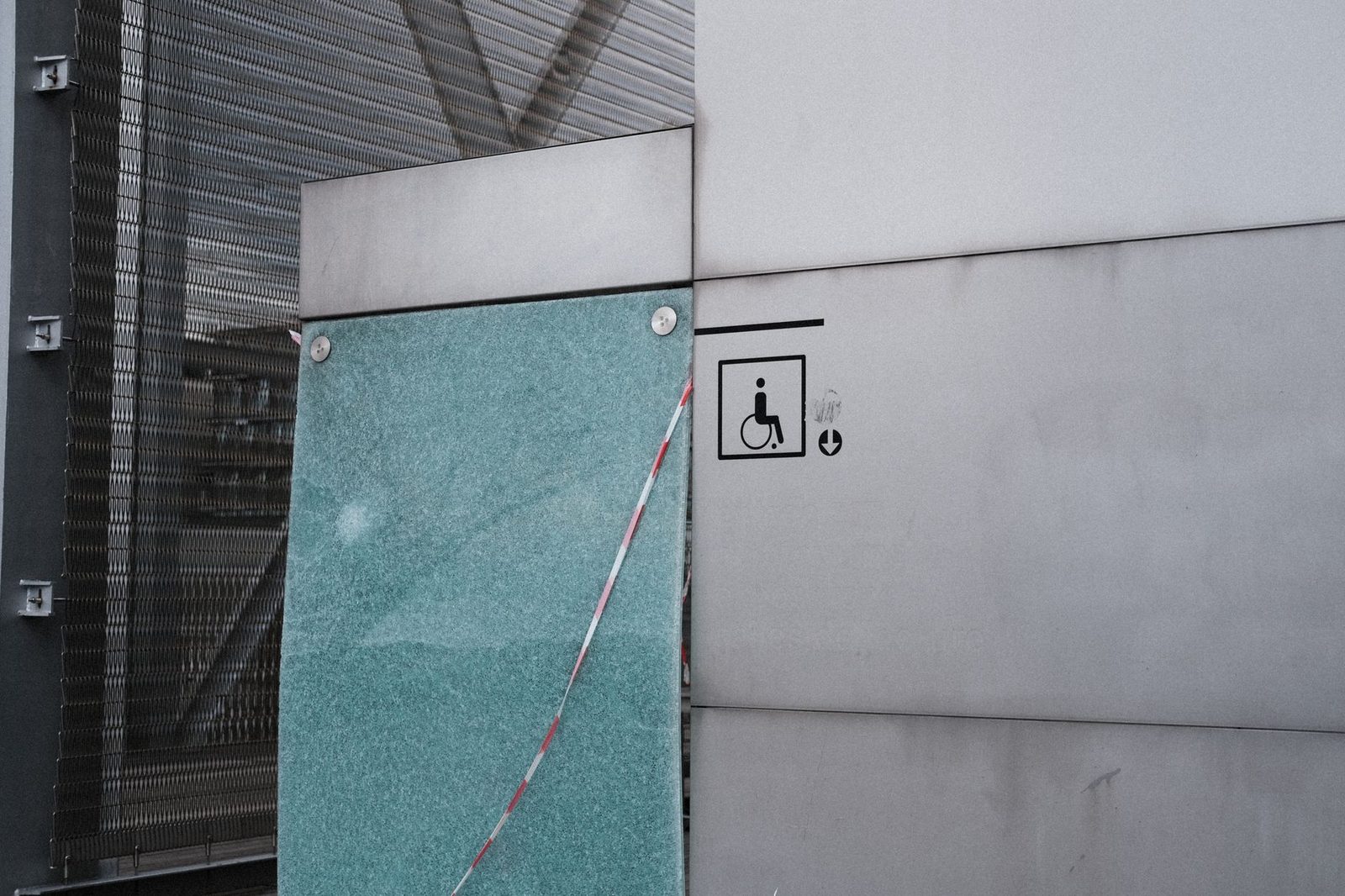
A property owner can be responsible when it fails to use ordinary care to keep the property safe for visitors. Under UJI 13-1309 visitor duty, an owner or occupant must use ordinary care to keep the premises safe.
Common unsafe conditions behind serious falls include:
- Wet or slippery floors with no warning
- Broken or missing stair railings
- Damaged steps, walkways or loose flooring
- Icy or uneven surfaces
- Poor lighting
- Hazards left in place after someone reported them
Notice is often the key question. UJI 13-1318 slip and fall says an owner is charged with knowing about a condition it would have found through a reasonable inspection. It also covers conditions the owner or its employees caused.
Evidence often decides this. Incident reports, surveillance video, cleaning and inspection logs, prior complaints, photos and witness statements can show what the owner knew. Repairs happen fast, so evidence can disappear quickly.
In causes of action to which several liability applies, a defendant who establishes that another’s fault was a proximate cause of the plaintiff’s injury is liable only for the portion of the total dollar amount awarded as damages that equals the ratio of that defendant’s fault to the total fault attributed to all persons, including plaintiffs, defendants and persons not party to the action, under NMSA § 41-3A-1.
What a Claim Can Cover After a Spinal Cord Injury
Losses often include:
- Medical costs, such as emergency care, surgery, hospital stays, rehabilitation, medicines, equipment and ongoing treatment
- Lost income, now or later, if the injury affects the ability to work
- Future care needs, such as home changes, help from a caregiver, and equipment
- Pain, loss of independence and loss of enjoyment of daily life
Future needs take careful estimating. Medical and work-related input often shapes those estimates. A close family member may have a separate claim too.
How a Premises Spinal Injury Claim Usually Moves Forward
A typical claim starts with a free, confidential talk and then builds the evidence. Each case moves at its own pace.
- Initial talk. You describe how the fall happened, your injuries and treatment, and the property involved.
- Preserve evidence. Requests can ask the property owner to keep video, reports and records. Documenting the location before repairs matters too.
- Gather records. Medical records are collected, and the injury’s course is tracked with treating providers. Responsible parties are identified. These can include owners, managers, contractors and tenants.
- Present the claim. The claim goes to the insurer or responsible party, and negotiation begins.
- File suit if needed. If the claim cannot be resolved by negotiation, a lawsuit may be filed in state court.
Deadlines apply to injury claims in New Mexico. Waiting can cost you options, so early contact helps.
Why Work With El Gringo Law on a Spinal Injury Premises Claim
El Gringo Law represents people hurt in car accidents, trucking accidents, premises liability cases, negligent security incidents, wrongful death matters, sexual assault cases, catastrophic injuries, spinal cord injuries, amputations and burn injuries. Josh Wood is the responsible lawyer for this page. He is licensed in New Mexico and Arizona. Our lawyers and team handle consultations and the work that follows.
Every case is different. A past result does not predict what happens in yours. Your first consultation is free, confidential, and comes with no obligation to continue.
Questions Readers Ask Before Deciding
Can I still have a claim if I was partly at fault?
Whether a shared-fault claim can move forward depends on the facts of each case and how New Mexico’s fault rules apply to those facts.
Does a claim have to go to trial?
Some claims settle through negotiation, and some need a lawsuit. Preparing as if a case may go to trial shapes how negotiations go.
What if the owner says the hazard was obvious?
An obvious hazard does not end the owner’s duty on its own. The UJI 13-1309 visitor duty commentary says the duty can apply even to open and obvious dangers. Warnings and inspection records still matter.
Do I need to decide right away?
You can take time to think it over. Evidence can disappear and deadlines keep running, so asking early questions helps.
What if I’m a family member handling this?
A close family member can ask these questions for an injured adult. The injured adult’s own wishes and decisions still matter, and a family member may have a separate claim.
Not sure what your next step is?
Talk it through with our team — the first consultation is free, confidential, and carries no obligation.

Talk Through Your Situation With Our Team
If a fall on someone else’s property has changed your daily life, you may be reading this from a hospital bed, a rehab facility, or a family member’s side. You may be trying to learn whether the property owner can be responsible for what happened. Josh Wood and our team can talk with you about how the fall happened and what evidence may still exist. Reach out through the El Gringo Law contact form or visit elgringolaw.com. Responsible lawyer: Josh Wood, El Gringo Law.
How we approach a spinal cord injury claim
Focus on your recovery
A spinal cord injury affects your body, your work, and your family. Our team focuses on understanding your medical needs and your daily life before anything else.
Careful review of the facts
We look closely at how the injury happened, the condition of the property, and the records that document what occurred.
Lawyers who answer your questions
Our lawyers and support staff keep you informed about each step, in plain language, so you know what is happening with your case.
Ready for negotiation or trial
Some claims resolve through negotiation and others require a lawsuit. We prepare every case as if it may go to trial, because that preparation shapes how negotiations go.
Serving Albuquerque and Bernalillo County
We represent injured people throughout Bernalillo County and across New Mexico, including Rio Rancho, Santa Fe, Las Cruces, Sandoval County, Taos, and Farmington.
Free, confidential consultation
Share your situation with us in a call, a message, or our online chat. The first consultation is free, confidential, and carries no obligation to continue.
Start a record of what happened
Details fade quickly. If you are able, write down where and when the injury occurred, what caused it, and who saw it. Keep photos of the area, any incident report, and every medical visit and bill. Bring these to your consultation.
What to gather for your consultation
Scene details
Photos or video of the location, the hazard, warning signs, and lighting, if you have them.
Incident reports
Any report made to the property owner, manager, store, or security staff, along with names of people you spoke with.
Medical records
Emergency records, imaging, surgery notes, therapy plans, and discharge instructions for your spinal cord injury.
Witness information
Names and phone numbers of anyone who saw the incident or helped you afterward.