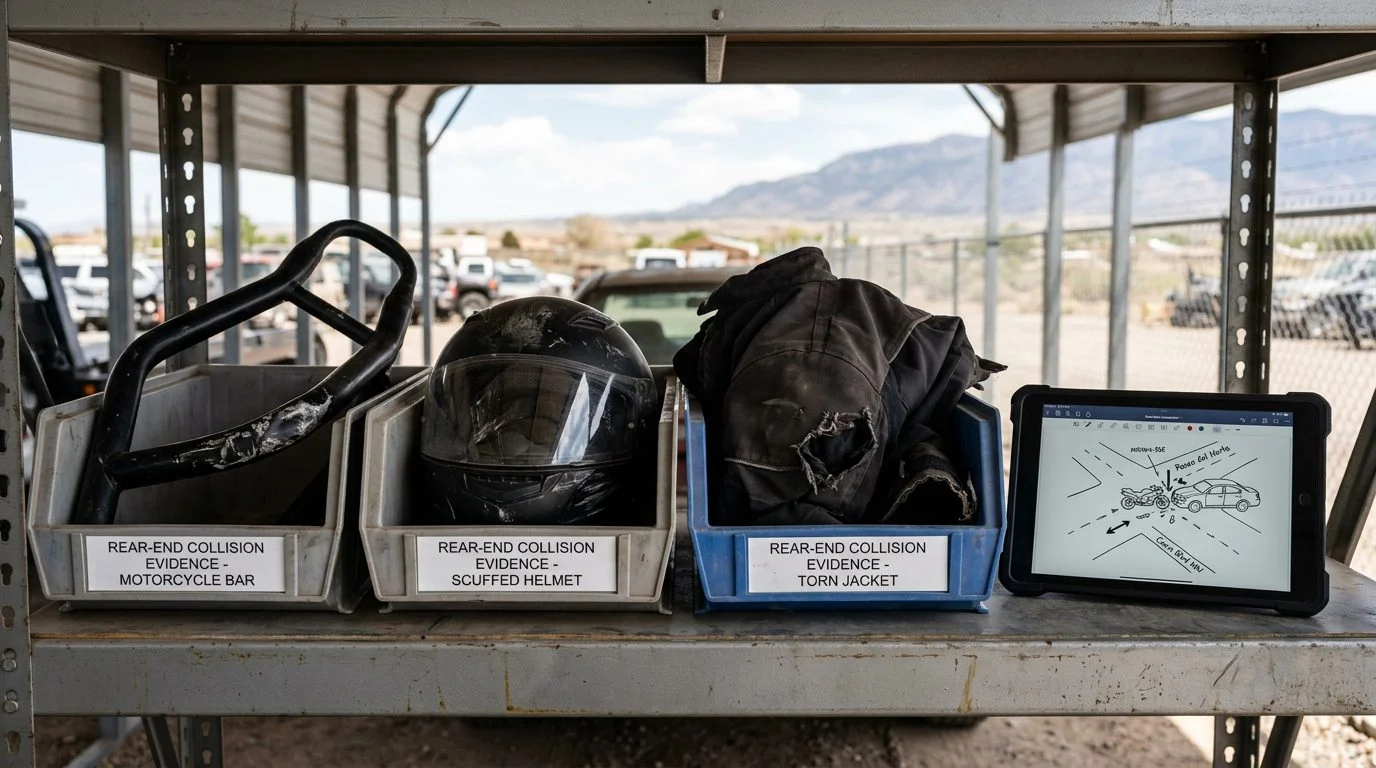
Spinal Cord Injury | Albuquerque and Rio Rancho
Hurt in a Rear-End Crash? Get Clear Answers About Your Spinal Injury
El Gringo Law represents people hurt in car accidents across Bernalillo and Sandoval counties, and we start with a conversation about your injuries and your questions.
By Josh Wood · Published November 11, 2026
If you are dealing with medical bills, insurance calls and unanswered questions, this guide explains the claim in plain terms.
What a Spinal Cord Injury in a Rear-End Crash Means for Your Claim
A spinal cord injury can affect movement and feeling, and those effects shape what a claim must cover. The spinal cord carries signals between the brain and the body, so an injury there can cause weakness, numbness or paralysis. Rear-end impacts can strain or injure the neck and spine as the head snaps forward and back. Trucks, SUVs and sudden stops at speed add force, which is why these crashes can cause serious harm.
This page is for drivers, passengers and family members of someone hurt in a rear-end crash. A close family member may have a loss of consortium claim.
Long-term needs can take time to measure.
If a rear-end crash has left you with a spinal cord injury, our team can talk through your facts with you in a confidential consultation. Talk it through with our team — the first consultation is free, confidential, and carries no obligation.
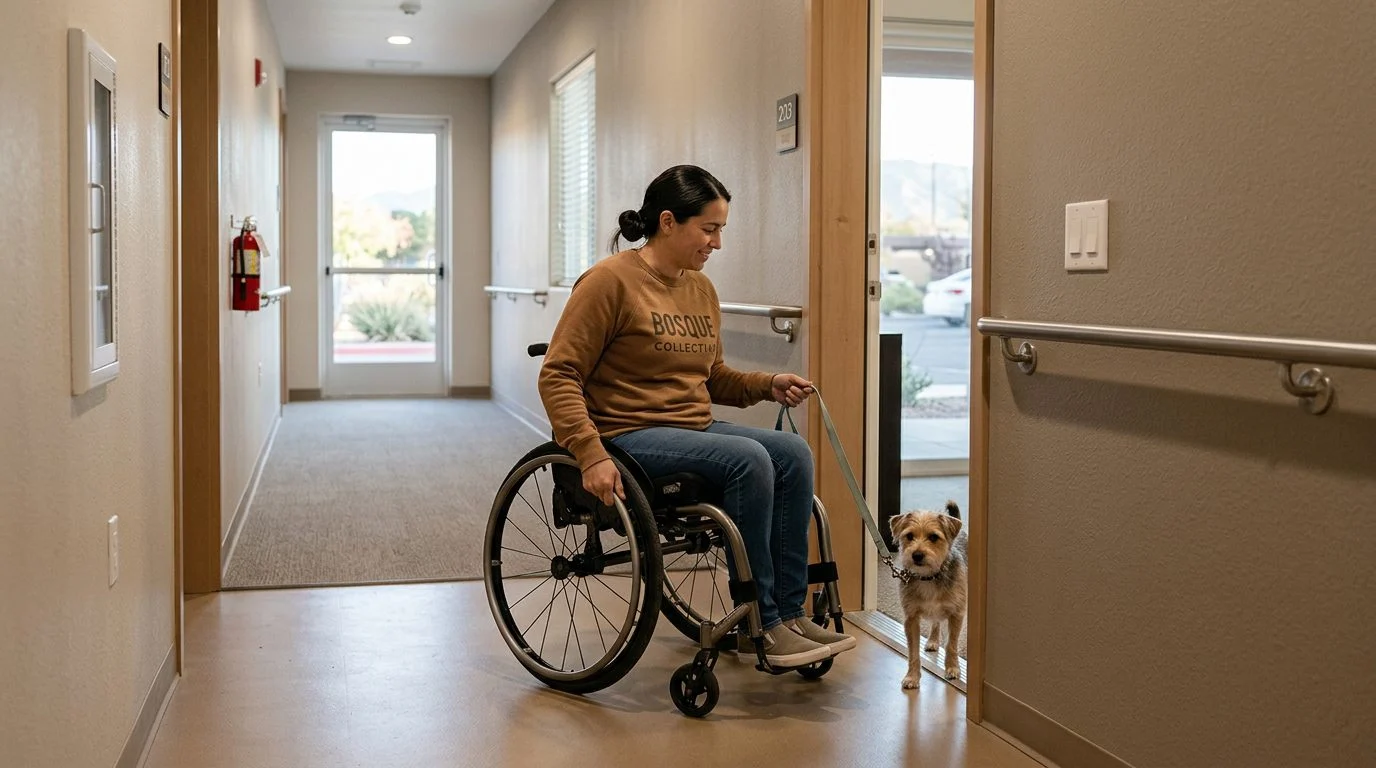
Who Is at Fault in a New Mexico Rear-End Crash?
Fault depends on the facts, and New Mexico reduces damages by the injured person’s share of fault. Scott v. Rizzo adopted comparative negligence in New Mexico, so a partly at-fault person can still recover. Under UJI 13-2218 NMRA, the jury totals the damages, assigns fault percentages that add to 100%, and then reduces the award by the injured person’s percentage.
A negligence claim generally requires a duty, a breach of that duty and a proximate cause of the harm. A proximate cause need not be the only cause, as Herrera v. Quality Pontiac explains.
Following too closely is a driving rule. NMSA § 66-7-318 says a driver may not follow another vehicle more closely than is reasonable and prudent, given speed, traffic and road conditions. Under NMSA 1978, § 66-7-318, the driver of a motor truck, or of a motor vehicle drawing another vehicle, traveling upon a roadway outside a business or residence district shall not follow another motor truck or motor vehicle drawing another vehicle within three hundred feet, except that this does not prevent such a vehicle from overtaking and passing any like vehicle or other vehicle.
A commercial truck can add more parties and insurance policies, which makes the facts about who was involved more important.
How a Spinal Cord Injury Claim Works, Step by Step
A claim usually moves from medical care to investigation, then to negotiation or a lawsuit.
- Get medical care right away. Imaging and follow-up visits with a doctor who treats spinal injuries build the record the claim depends on. Keep every appointment, since gaps in treatment can be used to question an injury.
- Report the crash. NMSA § 66-7-206 requires the driver in an accident causing bodily injury, death, or property damage of $500 or more to give immediate notice to police in a city, or to the county sheriff or state police elsewhere. NMSA § 66-7-207 requires the driver in an accident causing bodily injury, death, or total property damage of $500 or more to send a written report to the department of transportation within five days.
- Investigate. Gather the police report, vehicle photos, witness names, and any available vehicle or phone data.
- Measure the damages. Future care and lost earning ability often need input from medical professionals and an economic review.
- Negotiate or file suit. Many claims resolve through negotiation. If one does not, a lawsuit generally must be filed within three years under NMSA § 37-1-8 for an injury to a person.
There is no fixed length for the overall claim, but NMSA § 37-1-8 requires an action for an injury to the person or reputation of any person to be brought within three years. Length depends on how your medical recovery unfolds and how the insurer responds. Questions about each step can come up in your consultation with our team.
Early Insurance Offers and Recorded Statements
An early offer can arrive before anyone knows how far an injury will progress, so compare it with your medical picture before deciding.
Before you sign any release, know its effect. Under NMSA § 41-3-4, a release with one at-fault party does not discharge the others unless the release so provides, but it reduces the claim against them by the amount paid, or by any greater amount the release states.
An insurer may ask for a recorded statement. Ask what it is for, and avoid guessing about medical details. Keep notes of every call, including the adjuster’s name, the date and what was offered.
Other cautions: don’t sign medical authorizations without review, keep a simple symptom journal, and think twice before posting photos or activity online, since they may be used to question your injury.
Evidence That Matters After a Rear-End Crash
The strongest evidence captures the crash scene and your injuries early, and some of it disappears quickly.
- Photos of the scene and both vehicles, taken as soon as it is safe
- The police report and any written crash report
- Names and phone numbers of witnesses
- Dashcam or nearby business video, which can be overwritten
- Vehicle and phone data, where available
- Imaging, treatment notes and medical bills
- Your own log of pain, mobility and daily limits, plus receipts for equipment and trips to appointments
Send a written request asking that the damaged vehicle and any video be kept. Early evidence also helps show how the crash happened and what the injury caused.
Why Work With El Gringo Law on a Spinal Cord Injury Claim
El Gringo Law represents people hurt in car and trucking accidents and in spinal cord injury cases across New Mexico, including rear-end collisions in Albuquerque. The firm also handles premises liability, negligent security, wrongful death, sexual assault, catastrophic injuries, amputations and burn injuries.
Josh Wood, licensed in New Mexico and Arizona, is the responsible lawyer for this page. Our team works on investigation, medical records and communication with insurers, and keeps you informed at each step. Early investigation and organized medical records help build the account of how the crash caused the injury.
Our team serves clients in Albuquerque, Rio Rancho, Sandoval County and other New Mexico communities. For Rio Rancho readers, see our Rio Rancho spinal cord injury page.
Not sure what your next step is?
Talk it through with our team — the first consultation is free, confidential, and carries no obligation.
Frequently Asked Questions About Spinal Cord Injuries After Rear-End Crashes
Short answers to common questions are below.
Do I need a doctor if I feel fine after a rear-end crash?
Some spinal and neck symptoms can appear hours or days later. An early medical check creates a record.
Can I recover if I was partly at fault?
Yes. New Mexico reduces damages by your share of fault instead of barring recovery.
Should I accept an early settlement offer?
Compare any offer with your full medical picture before you decide.
How long do I have to file?
Under NMSA § 37-1-8, New Mexico generally allows three years for an injury to a person.
Will my claim go to court?
Many claims resolve without trial. No one can say in advance how yours will end.
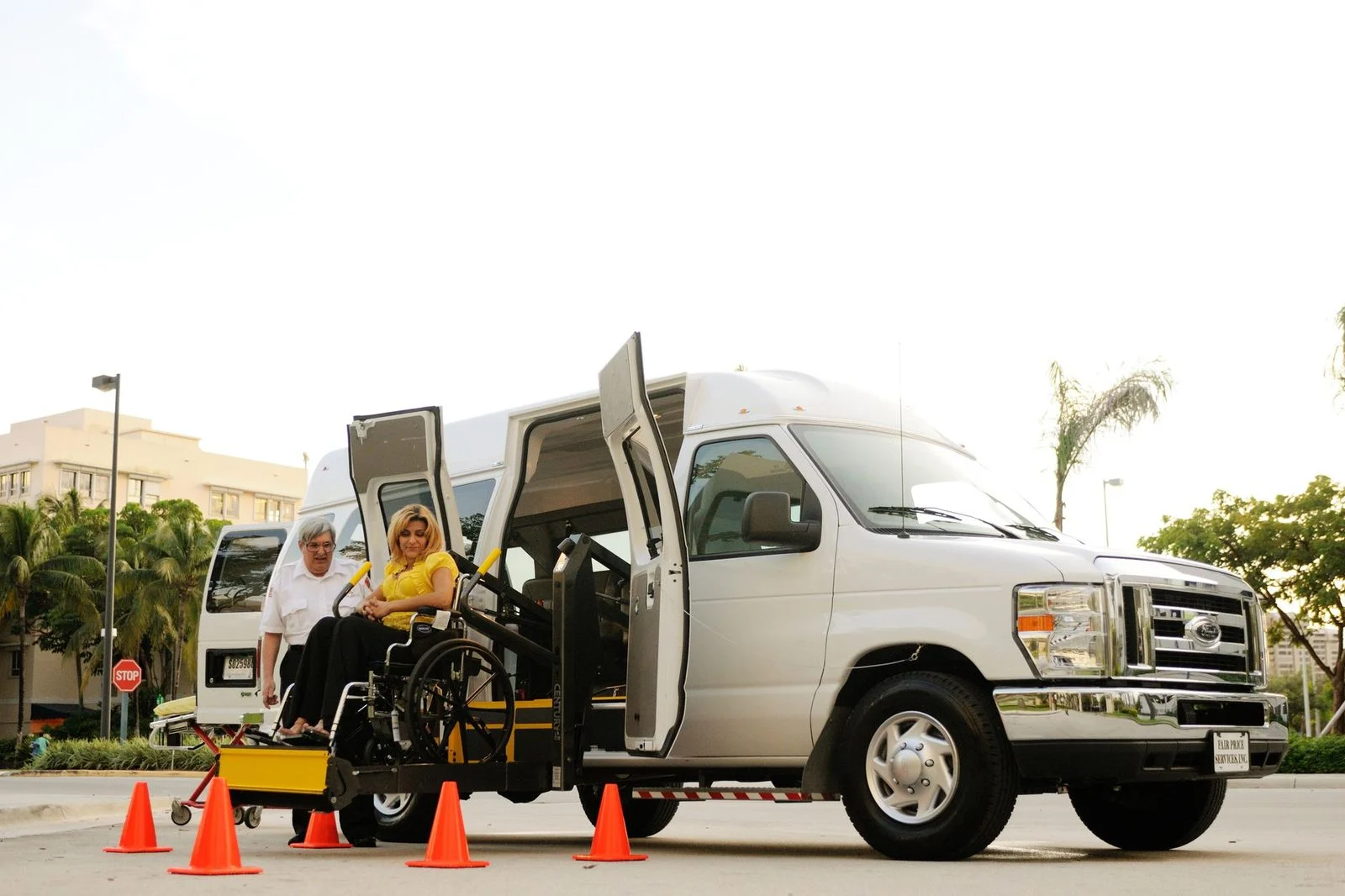
Talk With Our Team About Your Rear-End Crash Injury Today
The initial consultation is free, confidential and comes with no obligation to continue (consulta inicial gratuita, confidencial y sin compromiso).
If a rear-end crash has left you or someone you love with a spinal cord injury, and insurance calls or medical decisions are pressing now, reach out today. Call the firm, submit the contact form, or start a chat.
Josh Wood is the responsible lawyer for this page. You can reach El Gringo Law through the contact page.
How We Work With You
Focus on your recovery
Our team keeps the case moving so you can concentrate on your medical care and your family.
Plain-language updates
We explain the steps, the medical questions and the paperwork in terms you can follow.
Organized records
We help gather crash reports, medical records and bills so your story is documented from the start.
Free, confidential first consultation
Your first consultation is free, confidential and comes with no obligation to continue.
Before You Talk to the Other Side's Insurer
Insurance adjusters may ask for a recorded statement soon after a crash. Speak with a lawyer first so you understand what you are agreeing to say.
Injuries We Hear About After Rear-End Crashes
Spinal cord injuries
Damage to the spinal cord can affect movement, sensation and independence, and it often calls for ongoing care.
Neck and back injuries
Herniated discs and soft-tissue damage can cause pain that lingers long after the crash.
Symptoms that appear later
Numbness, weakness or headaches may start hours or days after impact, so getting checked early matters.
Complex medical needs
Some injuries require therapy, surgery or long-term equipment, and we help you document those needs.