Albuquerque · Bernalillo County
Hurt in a Stair Fall? Get Clear Answers About Your Spinal Cord Injury
Stairs in homes, apartments and businesses can hide serious hazards. We help injured people understand their options after a fall.
By Josh Wood · Published November 10, 2026
If a stairway or balcony fall left you or a family member with a spinal cord injury, the fall may support a premises liability claim. Premises liability covers injuries caused by unsafe conditions on property. Whether a claim exists depends on the facts of each fall, including who owned or controlled the area.
When a Stairway or Balcony Fall Can Support a Spinal Cord Injury Claim
A fall on a defective or unmaintained stairway, handrail, or balcony can support a claim against the property owner or manager. That is true whether the stairs belong to an apartment complex, a hotel, or a business.
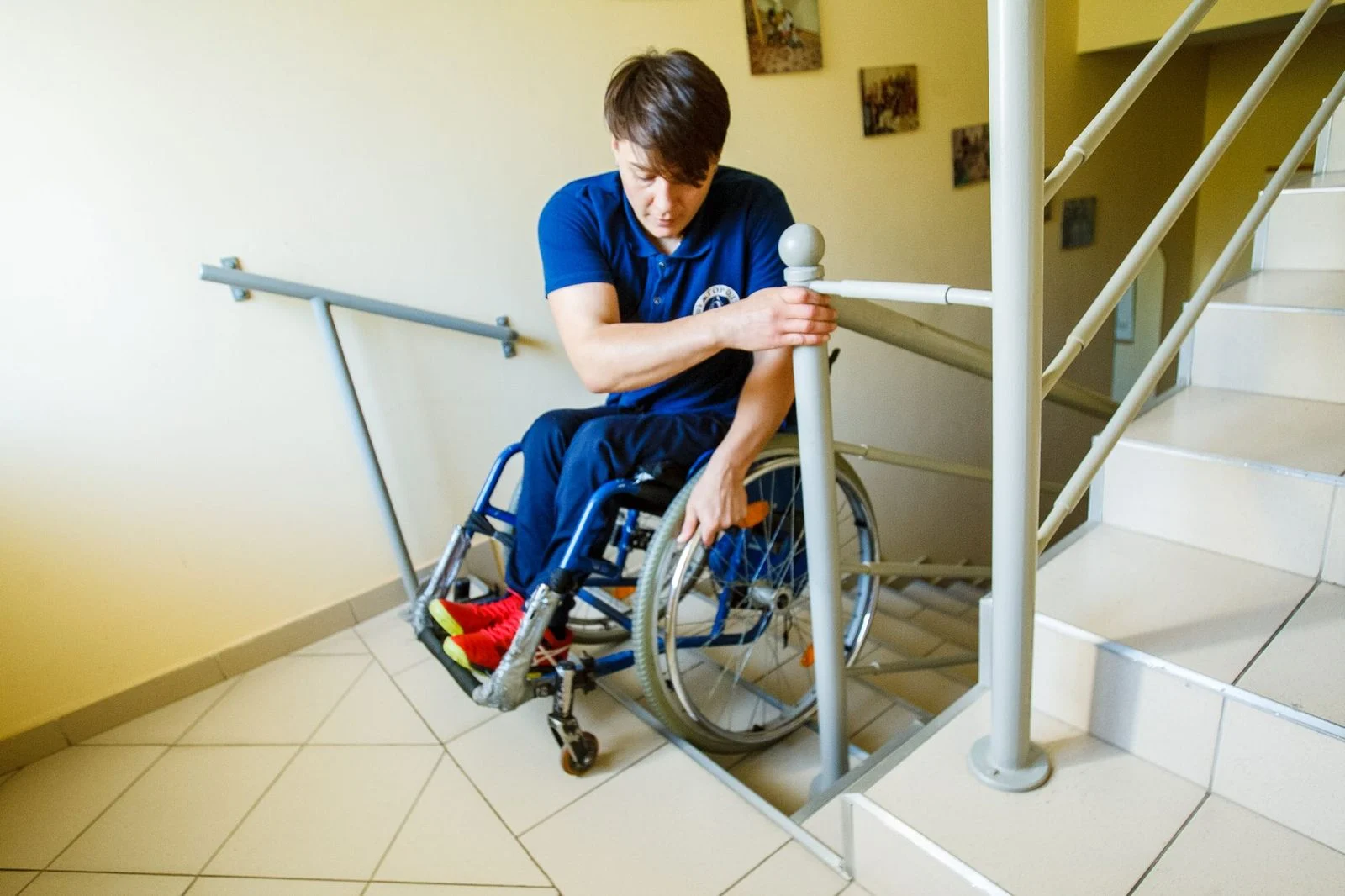
A spinal cord injury affects the bundle of nerves that carries signals between the brain and the body. Effects can range from partial to complete loss of movement or sensation, depending on where and how badly the cord is hurt. Falls are a common cause of these injuries, and the neck (cervical spine) is especially vulnerable.
This page covers stair and balcony falls in Albuquerque and Bernalillo County. These claims differ from general fall cases because the central questions often involve who controlled the stairs, railings, or walkways. El Gringo Law handles premises liability and catastrophic injury matters, including spinal cord injuries.
Early questions usually involve three things. What defect caused the fall? Who controlled that part of the property? What did the owner know before the fall?
If a stair or balcony fall left you or a family member with a spinal cord injury, our team can talk through whether the property owner may be responsible. Talk it through with our team — the first consultation is free, confidential, and carries no obligation.
Who May Be Responsible for a Stairway or Balcony Fall
The property owner, landlord, management company, or business that controls the stairs, walkways, and balconies may owe a duty of care. Responsibility depends on who had control over the area, not just who owns the building.
New Mexico’s pattern jury instruction for slip-and-fall cases says an owner or occupant owes a visitor the duty to exercise ordinary care to keep the premises safe for the visitor’s use. UJI 13-1318 slip-and-fall instruction also treats an owner or occupant as knowing about conditions a reasonable inspection would have revealed, or conditions the owner, occupant or their employees caused.
A negligence claim generally requires a duty, a breach of that duty measured by reasonable care, and a breach that is a proximate cause of the damages. Herrera v. Quality Pontiac states these elements. A proximate cause need not be the only cause or the nearest one.
New Mexico uses comparative negligence. If the injured person shares some fault, damages are reduced by that percentage, but the claim is not barred.
When several parties share fault, NMSA 1978 § 41-3A-1 generally limits each defendant to its own share, with listed exceptions.
Common Stair, Handrail, and Balcony Defects
The defects that matter most are the ones that make a step, rail, or walkway unsafe to use as intended.
- Loose, missing, or broken handrails and guardrails, including balcony railings that give way or sit lower than they should.
- Cracked, rotted, uneven, or worn treads, landings, and walkways.
- Wet, icy, or slick surfaces the owner did not address.
- Poor lighting on stairwells, breezeways, and balconies, including burned-out fixtures.
- Missing or ineffective warnings near a hazard the owner knew about.
Notice is often the key question. Prior tenant complaints, maintenance requests, and repair records can show the owner knew, or should have known, about the defect.
Evidence to look for includes:
- Maintenance requests and repair invoices
- Prior complaints from tenants or guests
- Inspection reports
- Photos showing the condition over time
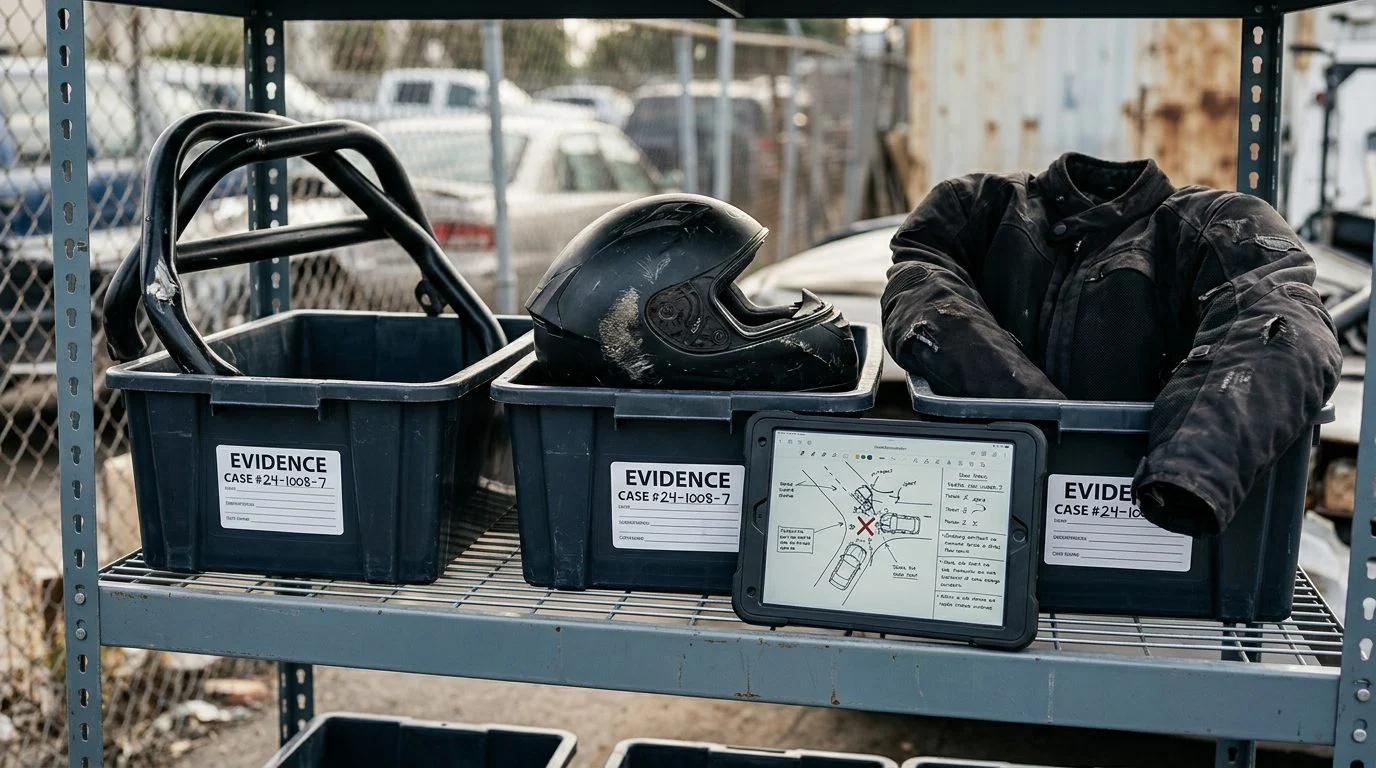
Repairs can erase a defect. Photos taken soon after a fall often show a condition that later disappears.
What to Do After a Stairway or Balcony Fall
Get medical care first, then protect the scene and the paper trail.
- Seek emergency care right away, even if symptoms seem limited at first. Spinal injuries may need imaging and monitoring.
- Keep every appointment, bill, and prescription record. These records document the injury and its effects.
- Photograph the stairs, railing, or balcony when it is safe, including the exact spot and any lighting or warning signs.
- Report the fall to the property manager in writing and ask for a copy of any incident report.
- Write down what happened, the names of witnesses, and any problems you noticed before the fall. Keep the shoes and clothing you wore.
Filing deadlines apply to injury claims. Early action helps keep video, maintenance logs, and witness memories intact. Claims against government-owned property can follow different rules, so timing matters.
How a Premises Liability Claim Usually Moves Forward
Most claims move from an initial review to investigation, medical documentation, a settlement demand, and, when needed, a lawsuit.
- First consultation. Review the fall, the injuries, and the parties who may be responsible.
- Investigation. Request records, send a preservation letter asking the owner to keep video, logs, and repair records, inspect the site, and consult medical or engineering professionals when needed.
- Medical documentation. Gather treatment records and review future care needs, lost income, and how the injury affects daily life.
- Demand and negotiation. Present the claim to the insurer or responsible party and negotiate.
- Filing suit, if needed. A lawsuit is followed by discovery, mediation, or trial preparation.
Timelines vary widely because treatment and recovery times differ. Spinal cord injury cases often move at the pace of the medical picture.
Why Clients Contact El Gringo Law and What the First Consultation Covers
El Gringo Law handles personal injury matters in New Mexico, including premises liability, catastrophic injuries, spinal cord injuries, and car and trucking accidents.
Josh Wood is the responsible lawyer for this page. He is licensed in New Mexico and Arizona. Support staff help with records, scheduling, and questions about next steps. Staff members are not lawyers.
The first consultation is free, confidential, and carries no obligation to continue. During that call, you describe the fall, your injuries, and where it happened. The team then reviews the next steps with you.
Not sure what your next step is?
Talk it through with our team — the first consultation is free, confidential, and carries no obligation.

Frequently Asked Questions About Stairway and Balcony Fall Claims
Here are short answers to common questions about these claims.
Can I still make a claim if I was partly at fault?
Yes. New Mexico uses comparative negligence, so your damages are reduced by your share of fault rather than barred.
Does a fall on an apartment stairway always make the landlord liable?
No single answer fits every fall. Liability turns on the facts, including control of the stairs and what the owner knew or should have known.
What if the stairs were old but nobody reported a problem?
Prior reports matter, but so does whether a reasonable inspection would have found the defect.
How soon should I talk with a lawyer?
Early contact can help preserve photos, video, maintenance records, and witness memories. Filing deadlines apply, so asking sooner helps.
What happens during the first consultation?
You describe the fall, your injuries, and the property involved. The team then reviews the facts with you and explains what comes next.
If you or a family member fell on a balcony rail or a stairwell in an Albuquerque apartment and now lives with a spinal cord injury, reach out to El Gringo Law. Use the contact form or start a chat to talk through what happened.
How El Gringo Law Can Help
A Confidential First Conversation
Your free initial consultation is confidential and comes with no obligation to continue. We listen first and explain what we can and cannot evaluate from what you tell us.
Lawyers and Staff Who Listen
Our lawyers and team focus on serious injury claims, including spinal cord injuries, and keep you informed about each step of your case.
Help Organizing the Facts
We help you gather medical records, incident details and photos so the facts of your fall are clear from the start.
Serving Bernalillo County and Beyond
We work with injured people in Albuquerque, Rio Rancho, Santa Fe, Las Cruces, Taos, Farmington and throughout New Mexico.
Do Not Wait to Get Checked
Spinal injuries are not always obvious right after a fall. Numbness, tingling, weakness or neck and back pain can signal a problem that needs prompt medical evaluation. Your health comes first.
Steps to Take After a Stair Fall
Get Medical Care
Seek prompt evaluation, even if you feel you can walk. Follow the treatment plan your providers recommend and keep every appointment.
Document the Scene
If you can, photograph the stairway, lighting, handrails and any defect. Note who was present and what happened before and after the fall.
Keep Your Records
Save medical bills, prescriptions, work notes and any correspondence about the fall in one place.
Talk With Us
Call El Gringo Law for a free, confidential consultation. We can review what happened and explain how we may be able to help.