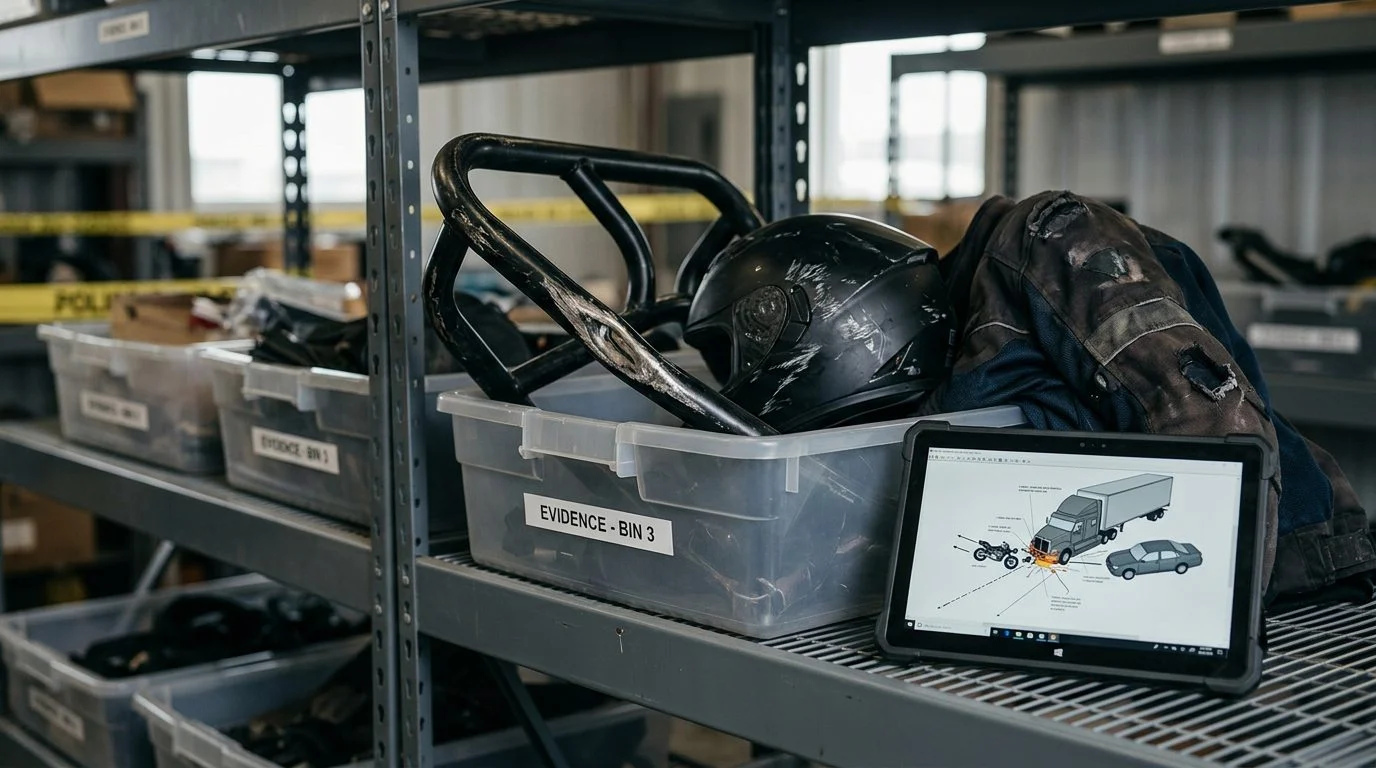
Truck Underride Spinal Cord Injury · Albuquerque & Bernalillo County
Hurt in a truck underride crash? We focus on the injuries that change your life.
El Gringo Law represents people hurt in car and truck crashes across New Mexico, including underride collisions that cause spinal cord injuries. Josh Wood and our team will look at what happened and what it means for you. Your first consultation is free, confidential, and comes with no obligation to continue.
By Josh Wood · Published November 6, 2026
A truck underride crash happens when a car slides under the back, side, or front of a truck or trailer. These crashes can cause serious spinal cord injuries. A truck underride spinal cord injury lawyer can review the crash, the injuries, and the records to explain your options. Josh Wood, licensed in New Mexico and Arizona, is the responsible lawyer for this page.
What a truck underride crash is
An underride crash is when a passenger vehicle goes under a truck or trailer instead of meeting its bumper. The car’s windshield and roof area can strike the trailer’s structure. That impact is one reason these crashes can cause severe spinal and head injuries.
Federal rules require a safety device on the back of many trailers. Under 49 CFR 393.86, most trailers rated at 10,000 pounds or more and made on or after January 26, 1998 must have a rear impact guard.
An investigation looks at the guard, how it was mounted, and its maintenance history.
This page is for drivers, passengers, and family members hurt in an underride crash in Albuquerque or elsewhere in New Mexico.
If a car slid under a truck and left you or someone you love with a spinal cord injury, you don't have to sort out the claim alone. Our team can talk it through with you. Talk it through with our team — the first consultation is free, confidential, and carries no obligation.
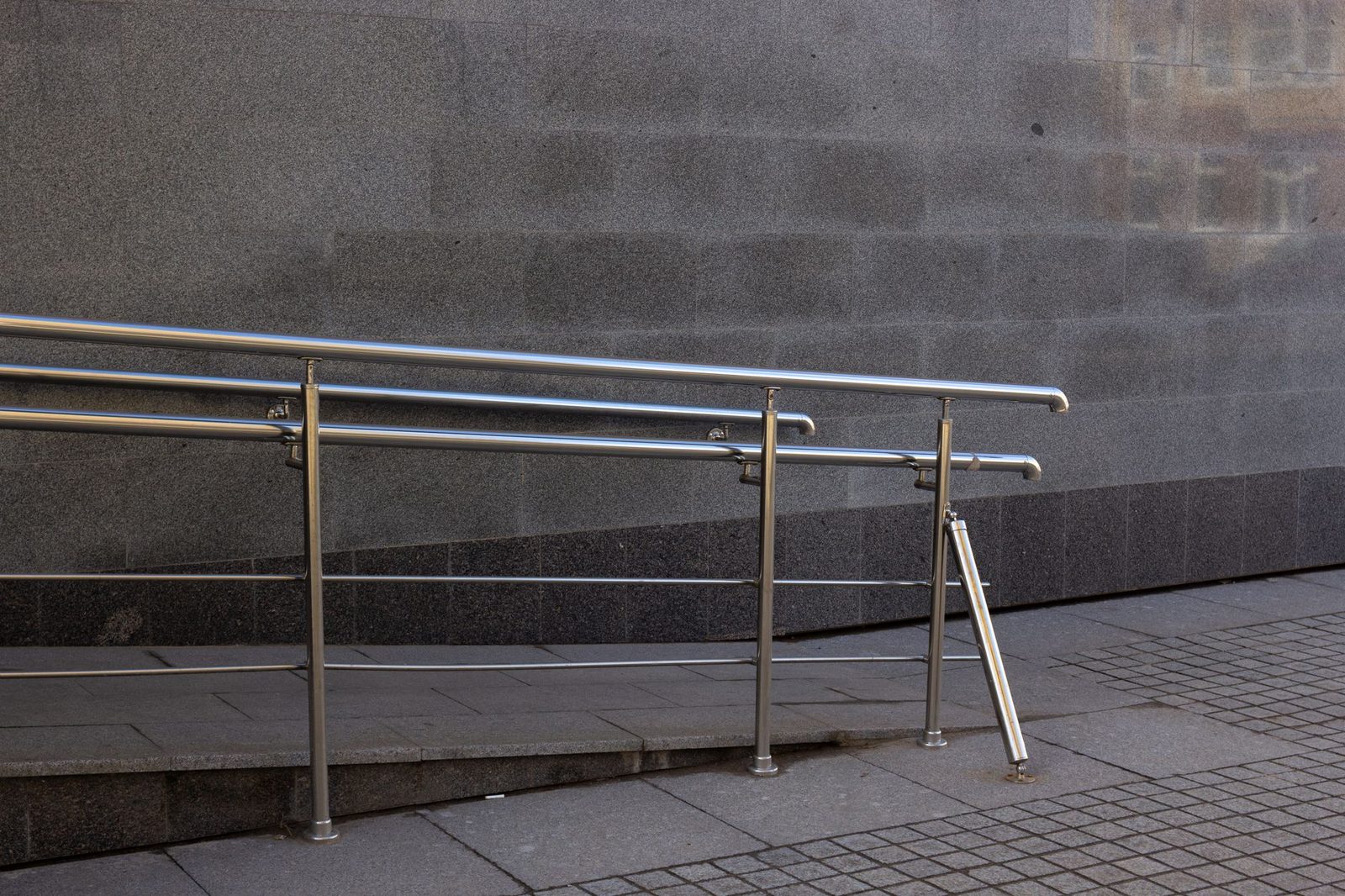
Spinal cord injuries after underride crashes
A spinal cord injury disrupts the signals between the brain and the body. Where the injury sits, and how severe it is, shapes what a person may face.
- Complete or incomplete. A complete injury blocks most movement and feeling below the injury. An incomplete injury leaves some function.
- Neck (cervical) injuries often affect the arms and legs.
- Mid-back (thoracic) and lower-back (lumbar) injuries more often affect the legs and trunk.
You may hear a few common terms. Paralysis means loss of movement. Tetraplegia means loss of movement in the arms and legs. Paraplegia means loss of movement in the legs.
Doctors often need weeks or months to know how much function will return. Keep every record from the first emergency visit. Early records show the injury as it first appeared. Later rehabilitation notes show how it changes.
What a spinal cord injury claim can cover
A claim can seek compensation for the losses the injury causes. Those losses are shown through bills, medical records, and the opinions of treating providers.
- Medical care: emergency care, surgery, hospital stays, rehabilitation, medicines, and medical equipment.
- Future care: ongoing treatment and equipment that doctors document as needed.
- Lost income: wages already missed, and any drop in the ability to earn later.
- Home and daily living: changes to a home or vehicle, and in-home help, when treating providers document the need.
- Family losses: a spouse or another person with a sufficiently close relationship may have a loss of consortium claim. New Mexico law says that claim belongs to that family member, not to the injured person or the estate (Thompson v. City of Albuquerque).
- Wrongful death: if the injury leads to death, NMSA 41-2-1 allows a suit against the party who would have been liable had death not occurred.
Who may be responsible and what evidence matters early
More than one party can share responsibility after an underride crash. Evidence also needs to be gathered quickly.
Depending on the facts, possible parties include the truck driver, the motor carrier, the trailer owner, and any company that maintained or repaired the trailer or its guard.
New Mexico generally makes each defendant pay only its share of fault. Under NMSA 41-3A-1, a defendant pays the part of total damages that matches its share of fault, with some exceptions. A claim can also ask whether a vehicle owner gave a vehicle to a driver it knew or should have known was not competent. That claim also requires proof that the driver’s incompetence caused the injury (DeMatteo v. Simon).
Start preserving these items now:
- The police crash report and its case number.
- Photos of the scene, the vehicles, and the trailer.
- Names and contact details of witnesses.
- Medical records, bills, and notes about missed work.
- A simple journal of symptoms and appointments.
Driver records have a short life. Federal rules require motor carriers to keep driver duty-status records and supporting documents for at least six months from the date of receipt (49 CFR 395.8). Acting early helps protect the records that matter.
New Mexico also recognizes liability for intentionally destroying evidence. A lawsuit does not have to be filed first for that liability to apply (Torres v. El Paso Electric). Many people speak with a lawyer before giving a recorded statement to an insurer.
How the process works and what to expect
A typical claim moves from a consultation to an investigation, then a demand, and then a lawsuit if one is needed. Each step depends on the facts.
- Consultation. You describe the crash and your injuries. The lawyer reviews any paperwork you already have.
- Investigation. The team requests the crash report, carrier records, and medical records.
- Damages review. Treating providers document your care, your costs, and any future needs.
- Demand and negotiation. A demand goes to the responsible parties or their insurers.
- Lawsuit, if needed. If a fair resolution is not reached, a suit may be filed. Discovery, mediation, and trial preparation may follow.
New Mexico generally allows three years to bring a claim for injury to a person (NMSA 37-1-8). Time limits can vary by claim type and facts, so the first conversation should check dates early.
Every case is different. How long a claim takes depends on the injury, the records, and the parties involved.
Why work with El Gringo Law
El Gringo Law handles car accidents, trucking accidents, catastrophic injuries, spinal cord injuries, and wrongful death claims. Clients in Albuquerque, Bernalillo County, Sandoval County, Santa Fe, and across New Mexico can reach the firm through the contact page below.
- Josh Wood is the responsible lawyer for this page and is licensed in New Mexico and Arizona.
- The firm has more than one lawyer. Assistants and office staff help with records, scheduling, and client questions.
- The firm’s team explains each step in plain words, so you know what is happening.
- The firm’s name carries its own voice: the gringo on your side.
Not sure what your next step is?
Talk it through with our team — the first consultation is free, confidential, and carries no obligation.
Costs, fees, and the first consultation
The first consultation is free, confidential, and carries no obligation to continue. You can share the crash details and your injuries, then decide what fits your situation.
Frequently asked questions
Is a truck underride claim different from other truck accident claims?
The basic negligence rules are similar. Underride claims also raise guard questions under 49 CFR 393.86, so the trailer’s guard history matters.
Can I bring a claim if I was partly at fault?
Yes, in many cases.
Do I have to go to court?
Some claims settle before trial, and some go to court. A lawyer can explain the options at each step.
What if I already talked to an insurance adjuster?
You can still talk with a lawyer. Under Hovet v. Allstate, a claim against an insurer for unfair claims practices waits until fault is decided against the insured.
How long do I have to file?
New Mexico generally allows three years for an injury claim under NMSA 37-1-8. Time limits can differ by claim type and facts.
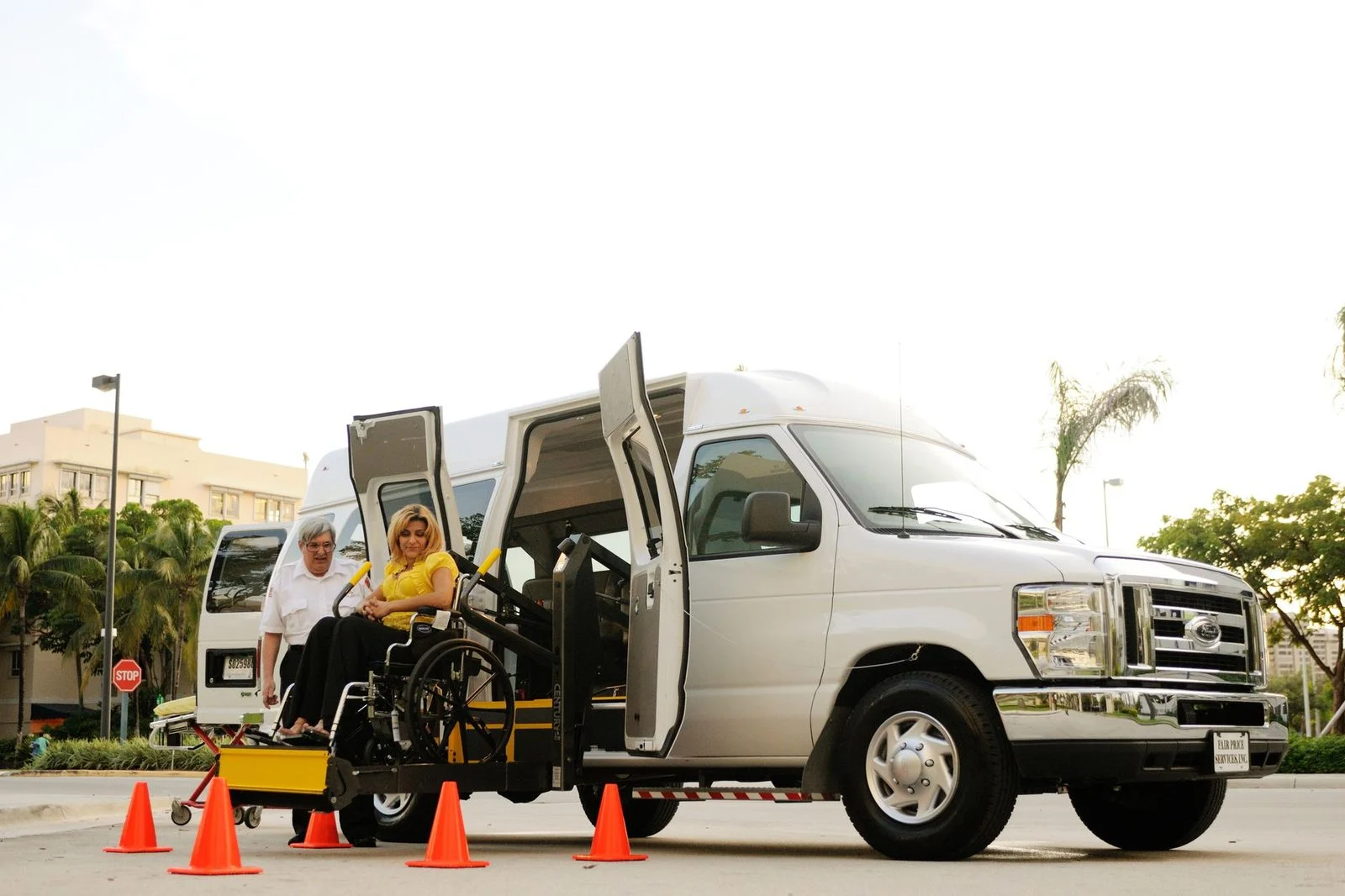
Talk with El Gringo Law about your underride crash
If a family member is in the hospital after a car slid under a trailer, bills and missed work can pile up fast. You may also have a crash report you don’t understand and an insurer asking for a statement. Josh Wood can review those papers with you. Use the El Gringo Law contact form to start a conversation about your situation.
How we approach an underride spinal cord injury case
A close look at the trailer
Under 49 CFR 393.86, rear underride guards must meet federal requirements. We review the guard's design, condition, and history, because those details often matter in these cases.
Attention to the whole picture
Spinal cord injuries can affect mobility, work, and family life for years. We look at medical needs, daily limits, and future care alongside the crash itself.
Clear communication
Our team keeps you informed about each step, and we answer your questions in plain language, in English or Spanish.
Free and confidential to start
Your first consultation is free and confidential, with no obligation to continue. You can ask questions and decide what makes sense for you.
Before you speak with an insurance adjuster
Insurance companies may contact you soon after a crash. Talking with a lawyer before giving a recorded statement or signing any release can help you understand your options.
Injuries we handle
Spinal cord injuries
Injuries to the spinal cord can cause paralysis or loss of function. We help clients understand the medical and financial effects of these injuries.
Truck underride crashes
When a car slides under the back or side of a large truck, the results can be catastrophic. We investigate how the crash happened and what safety equipment was in place.
Catastrophic injuries
Brain injuries, amputations, and severe burns often require long-term treatment. We work to account for those needs in every case we evaluate.
Trucking and car accidents
We represent people injured in collisions with commercial trucks and passenger vehicles, and we review each case on its own facts.