Spinal Cord Injuries | New Mexico
What Is a Spinal Cord Injury? A Plain-Language Guide for New Mexico Families
Learn what a spinal cord injury is, how it happens, and what to think about next. El Gringo Law focuses on serious injury cases for people across New Mexico.
By Josh Wood · Published November 2, 2026
A spinal cord injury is damage to the spinal cord, the bundle of nerves inside your spine that carries messages between the brain and the body. It can change movement, feeling, and some body functions below the injury. This guide explains the basics in plain language, then connects them to the questions New Mexico families often face after a crash.
What Is a Spinal Cord Injury?
A spinal cord injury is damage to the cord itself, which interrupts the signals that travel between the brain and the rest of the body. The cord is protected. It has three layers of protective tissue, and cerebrospinal fluid (CSF) surrounds it to cushion it against shock or injury, according to the NINDS spinal cord injury overview.
Because the cord carries messages for movement and sensation, damage can affect what happens below the injury site. The effects depend on where the cord is hurt and how badly.
A spinal cord injury is not the same as a bone or disc injury. The bones and discs around the cord can be hurt too, and in a crash both kinds of injury can happen together. Doctors look at each one separately.
If a crash has left someone you love with a spinal cord injury, you may have questions about a claim, and our team is glad to talk them through with you. Talk it through with our team — the first consultation is free, confidential, and carries no obligation.

Where the Injury Happens: Cervical, Thoracic, Lumbar, and Sacral Levels
The level of a spinal cord injury tells doctors which region of the spine is affected. Each region of the spinal nerves controls different parts of the body, as described in the NINDS spinal cord injury overview.
- Cervical (C1 to C7, the neck): These nerves send signals to the back of the head, the neck and shoulders, the arms and hands, and the diaphragm.
- Thoracic (T1 to T12, upper and mid back): These nerves control the chest muscles, some back muscles, and many organ systems.
- Lumbar (L1 to L5, lower back): These nerves reach the lower abdomen, the back, the buttocks, parts of the legs, and some external genital organs.
- Sacral (S1 to S5, base of the spine): These nerves reach the thighs, lower legs, feet, most external genital organs, and the area around the anus.
A cervical spinal cord injury is an injury in the neck region. Higher injuries in the neck can affect breathing, because the nerves in that area control the diaphragm and the lungs’ ability to expand.
The level describes where the injury is located. It does not predict how any one person will recover.
Complete and Incomplete Injuries, Paraplegia and Tetraplegia
A complete spinal cord injury blocks all movement and feeling below the injury. An incomplete injury leaves some movement or sensation below the injury, in patterns that vary from person to person.
Doctors often use two terms to describe the areas affected. Paraplegia involves the legs and trunk. Tetraplegia, also called quadriplegia, involves the arms, legs, and trunk. Tetraplegia usually follows an injury in the cervical region.
Early exams can change. Swelling and spinal shock can mask how much function remains in the first days and weeks. That is why medical teams often reassess the injury over time.
Common Causes of Spinal Cord Injury
Spinal cord injuries can come from trauma, such as road traffic collisions and falls, or from disease. Acute spinal cord injury is a traumatic injury that bruises, partially tears, or completely tears the cord, according to the NINDS spinal cord injury overview.
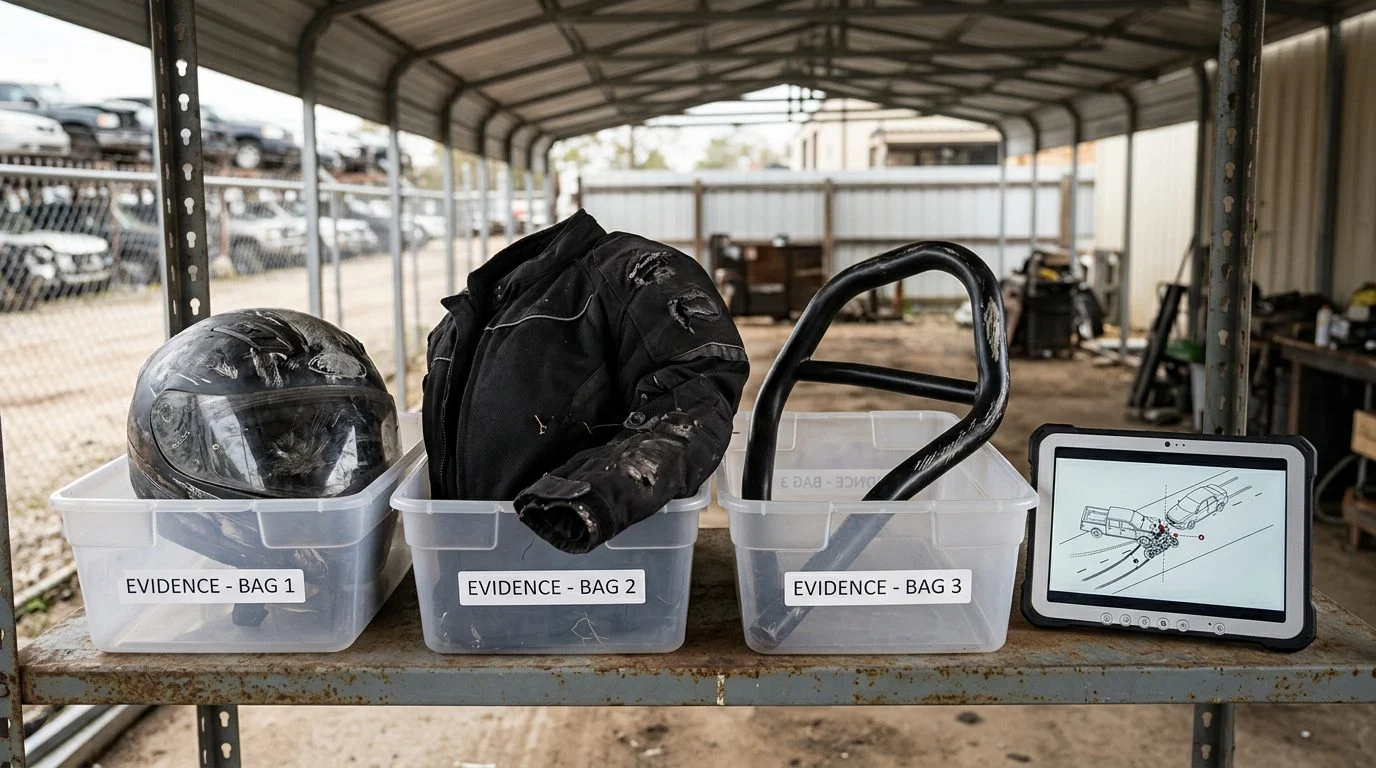
In a crash, the impact, twisting, or compression of the spine can injure the cord. The way the spine moves during a collision helps explain where the injury occurs.
For a civil claim, New Mexico law looks at cause. A negligence claim generally requires a duty owed to the injured person, a breach of that duty, and a breach that was a proximate cause of the damages. As stated in Herrera v. Quality Pontiac: A proximate cause of an injury is that which in a natural and continuous sequence [unbroken by an independent intervening cause] produces the injury, and without which the injury would not have occurred. It need not be the only cause, nor the last nor nearest cause. It need not be the only cause, or the last or nearest cause.
Other causes, such as violence or sports injuries, can lead to the same kind of harm. The facts of each event decide what the claim looks like.
Signs and Symptoms: How an SCI Differs From a Back Injury
Common signs include weakness or paralysis, numbness or tingling, loss of feeling, and trouble with balance or coordination. Bladder and bowel control can also change, as the NINDS spinal cord injury overview describes.
A back injury can cause pain or stiffness without damaging the cord. A spinal cord injury often brings new neurological signs, such as numbness, weakness, or loss of control. Those signs need prompt medical evaluation.
Get emergency care right away if you notice any of these after a crash:
- New weakness, numbness, or paralysis in the arms or legs
- Loss of feeling or tingling that spreads or does not fade
- Trouble breathing or a change in breathing
- Loss of bladder or bowel control
- Neck or back pain with any of the signs above
Emergency Care, Diagnosis, and Treatment
A suspected spinal cord injury is treated as an emergency. Responders work to keep the spine still during transport to prevent more damage.
Doctors use a physical and neurological exam, X-rays, CT scans, and MRI to see bone and soft-tissue damage. Each test shows a different part of the injury. Together they help the medical team plan care.
Treatment options can include immobilization, medications given early, and surgery to relieve pressure or stabilize the spine. Rehabilitation follows, with physical, occupational, and respiratory therapists building function and independence. The NINDS spinal cord injury overview gives more detail on these care steps.
Not sure what your next step is?
Talk it through with our team — the first consultation is free, confidential, and carries no obligation.
Living With a Spinal Cord Injury
Life after a spinal cord injury often involves ongoing care, equipment, and changes at home. Many people need rehabilitation over time, along with mobility tools such as wheelchairs, home modifications, and assistive technology.
Medical needs can continue for years. These include bladder, bowel, and skin care, and pain management. Households often adjust routines, work schedules, and finances. Family members often take on caregiving roles.
Families sometimes work with medical providers and planners to record future care needs. A life care plan is one tool that lists those needs in writing, which can matter when a claim is considered.
Talking With El Gringo Law About a Spinal Cord Injury
If a crash caused a spinal cord injury, you may have a claim, and you do not have to sort out the next steps alone. New Mexico law has several rules that often come up, and each case depends on its own facts.
Three rules matter most for many families. A personal-injury lawsuit generally must be filed within three years, under New Mexico Statutes Annotated, official text. Claims against a government entity or public employee generally carry a two-year deadline and a written notice requirement within 90 days, unless the entity had actual notice. New Mexico also follows pure comparative negligence. New Mexico follows a pure comparative negligence rule, as set out in Scott v. Rizzo: an injured person’s own share of fault reduces the damages by that percentage, but does not bar recovery, even when that person is mostly at fault.
Family members may have their own claims too. As stated in Thompson v. City of Albuquerque: Second, loss of consortium damages result from the wrongful injury or death of someone who was in a sufficiently close relationship to the loss of consortium claimant, and such damages belong to the loss of consortium claimant and not to the injured person or the decedent’s estate.
Common Questions
How long do I have to file a claim in New Mexico?
A personal-injury lawsuit generally must be filed within three years. Claims against government entities can have shorter deadlines.
Does being partly at fault stop a claim?
No. New Mexico follows pure comparative negligence, so fault reduces damages but does not bar recovery.
Can family members make a claim?
Certain close family members may have a loss of consortium claim, which belongs to them.
Our team at El Gringo Law can talk with you about the facts of your situation. Josh Wood is the lawyer responsible for this page. The first consultation is free, confidential, and carries no obligation to continue. You can reach the firm through the El Gringo Law contact page or at elgringolaw.com.
How we can help
Free, confidential first consultation
Tell us what happened and we will explain your options in plain language. There is no obligation to continue.
Support for families
Serious injuries affect the whole household. Our team keeps you informed and answers your questions along the way.
Organized case information
We help you gather the medical, accident and employment records that matter most for understanding your situation.
Ways to reach us
Call the firm, send a contact form, or start a chat. Choose whatever feels most comfortable for you.
Get medical care right away
After any crash, fall or other incident, see a doctor immediately if you have neck or back pain, numbness, tingling, weakness in your arms or legs, or trouble with balance, bladder or breathing. Some spinal cord injuries worsen over time, so prompt evaluation matters for your health.
Common ways spinal cord injuries happen
Car and truck crashes
High-speed impacts and rollovers are among the most frequent causes of spinal cord injuries in New Mexico.
Falls on unsafe property
Slip, trip and fall incidents on poorly maintained premises can cause serious spinal trauma.
Acts of violence
Injuries can occur during assaults or attacks, especially where security was inadequate.
Workplace and other accidents
Construction, industrial and recreational accidents can also result in damage to the spinal cord.