Car Accidents · New Mexico
Lost a Loved One in a New Mexico Car Accident? Here's What to Do Next
Grief and questions often arrive together. El Gringo Law helps families understand their options after a fatal crash. Your first consultation is free, confidential, and comes with no obligation to continue.
By Josh Wood · Published October 31, 2026
If you’re wondering what to do after a loved one dies in a car accident in New Mexico, start with the vehicle. Ask the tow yard or storage facility to hold it and not release or sell it. Then work through the crash report, the death records, a cost file, and insurance calls, in that order.
Losing someone suddenly brings shock and many decisions at once. The steps below bring order to the first days and weeks. They are written for the family of the person who died.
The first thing to do: ask that the vehicle be held
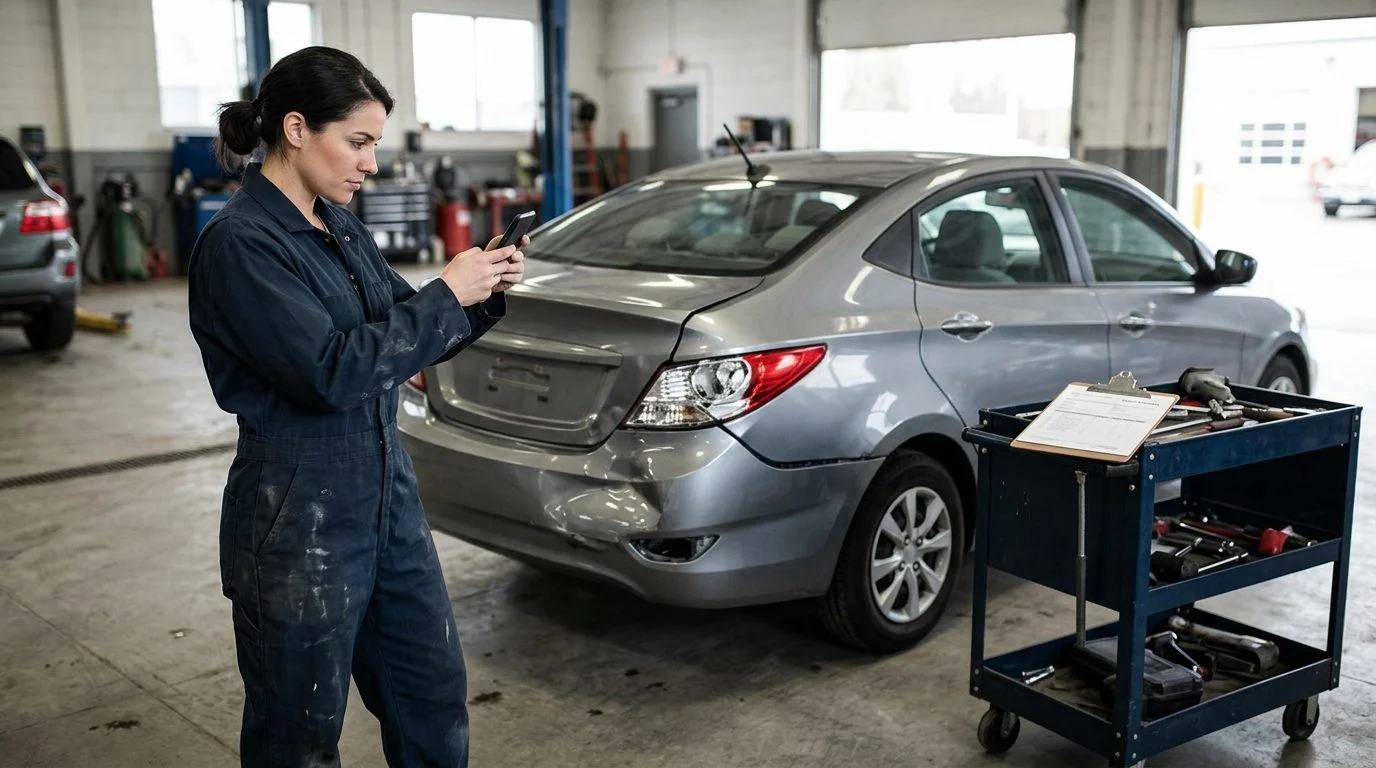
Ask the tow yard or storage facility to hold your loved one’s vehicle and not release or sell it. Make this call before anyone asks you to sign for the car.
The vehicle can matter later. It can help explain how the crash happened, so keep it in one place until you know who needs to see it.
One common mistake is signing a release, salvage, or title form at the lot without reading it. Read every form first. If something is unclear, ask for more time, and keep a copy of anything you sign.
Write down three facts in one place: the facility’s name and phone number, the lot’s address, and the date the vehicle was towed in. Ask the lot to note the hold in writing, with your name and the date you asked. Keep a record of who you spoke with there.
Personal belongings left inside the car should be requested in writing. Make a list or take photos before anyone removes them. If you can, have another adult present when the car is emptied.
If your family is facing a tow lot, a crash report, and insurance calls after a loss like this, our team is ready to talk it through with you. Talk it through with our team — the first consultation is free, confidential, and carries no obligation.

Get the crash report number and request the full report
Ask the agency that investigated the crash for the report and its case number. That agency may be state police, a county sheriff, or city police. The case number helps with every later request.
New Mexico requires a written report for crashes that cause a death. NMSA § 66-7-207 The driver of a vehicle involved in an accident resulting in bodily injury to or death of any person, or total property damage of five hundred dollars ($500) or more, must send a written report within five days after the crash. When a law enforcement officer, in the regular course of duty, investigates a motor vehicle accident that must be reported under this section, whether at the scene or afterward by interviewing participants or witnesses, the officer must send a written report of the accident to the department of transportation within twenty-four hours after completing the investigation (§ 66-7-207).
The report records basic facts about the crash, the vehicles, and the people involved. Read it closely. Check names, dates, the location, and the agency’s contact information. If you spot an error, write down what is wrong and when you noticed it.
Keep every version of the report and any supplemental papers in your file.
Request official death records
Ask the funeral home or the medical examiner’s office how to get copies of the death certificate. Insurers, banks, and estate offices often ask for one, so you’ll need copies early.
If the death is under investigation, the medical examiner or investigator may hold findings the family needs. Ask what exists, who holds it, and how long it takes to get.
Order several copies at once. Many institutions want their own copy on file, so extra copies save trips back to the office. Keep these copies with the crash report and vehicle papers, so one folder holds the core documents.
Keep a file of receipts and records
Keep one dated file for every cost and every call after the crash. Costs commonly include funeral and burial expenses, towing and storage fees, medical bills, and travel to the tow lot or to appointments.
A common mistake is throwing away receipts because they seem small. Small costs add up, and each one belongs in the file.
Keep proof of lost income too. Pay stubs, letters from an employer, and tax returns show what the family lost when the person who died could no longer earn or contribute.
This matters because New Mexico’s wrongful death law lets a jury weigh the financial harm the death causes. NMSA § 41-2-3 A careful file helps show that harm. It does not decide a case, but it gives a lawyer clear facts to work with.
Use a simple system. One folder or one digital file works. Add each receipt by date. Keep a running log of every call: the date, the person you spoke with, the company, and what they said.
Be careful with insurance calls and recorded statements
Be careful with recorded statements, and avoid guessing about fault on any insurance call. Insurance companies may contact the family soon after a death, sometimes before the family is ready to talk.
You can ask that questions be sent in writing. You can also ask that all communication go through our team. Write down the adjuster’s name, the claim number, and a direct phone number.
Do not speculate about speed, who had the right of way, or what your loved one was doing. Say only what you know for certain.
Do not sign a release, settlement paper, or medical authorization without a review first.
Some New Mexico rules shape these calls. A settlement offer generally cannot be used in court to prove the validity or amount of a disputed claim. NMRA Rule 11-408
The accident report also helps with insurance. State law lets the department disclose whether the other driver is insured, and if so, the insurer’s name and address. NMSA § 66-7-213 Under the same law, an accident report generally cannot be used as evidence at trial, except as the statute otherwise provides, such as a certified copy of the investigating officer’s report in certain arbitrations or civil actions involving uninsured motorist coverage.
Who can bring a wrongful death claim in New Mexico
In New Mexico, the personal representative of the deceased person brings the wrongful death action, in the representative’s name. NMSA § 41-2-3
Who serves as personal representative is a legal question. It shapes who makes decisions about the claim, so raise it early.
The statute also sets out who receives any recovery. Proceeds are not liable for the deceased person’s debts, provided the decedent has left a spouse, child, father, mother, brother, sister or child or children of the deceased child, as defined in the New Mexico Probate Code. They go to surviving family members in an order the statute lists, starting with a spouse and children.
Some losses belong to family members personally. Thompson v. City of Albuquerque That means more than one family member may have a claim.
Common questions about New Mexico wrongful death claims
How long do families have to file?
Under New Mexico law, a wrongful death action must be brought within three years after the cause of action accrues, and the cause of action accrues as of the date of death (NMSA 1978, § 41-2-2 — three years from the date of death). NMSA § 41-2-2 Keep the date of death in your file, because that count starts there.
Who files the case?
The personal representative of the deceased person files it in the representative’s name.
Not sure what your next step is?
Talk it through with our team — the first consultation is free, confidential, and carries no obligation.
Take care of yourself and the people around you
The first week after a death often brings shock, grief, and many decisions at once. It’s normal to forget details or feel unable to focus. Grief can come in waves, and it’s okay to slow down.
Write the next three tasks on paper and keep the list where you can see it. This keeps the family from tracking every detail in their heads. Cross off each task when it’s done.
Ask a trusted family member or friend to make calls, pick up records, or sit with you during meetings. A second person can also take notes. Shared work lightens the load for everyone.

Talk with our team about your family’s situation
If your family is dealing with a tow lot, a crash report, and insurance calls after a New Mexico crash, our team can help sort them out. Whether the crash happened in Albuquerque, Rio Rancho, Santa Fe, Las Cruces, Farmington, Taos, or elsewhere in the state, the first steps are much the same.
Josh Wood is the lawyer responsible for this page. He is licensed in New Mexico and Arizona. El Gringo Law offers a free initial consultation that is confidential and carries no obligation to continue.
If you’re still asking what to do after a loved one dies in a car accident, you don’t have to sort out this loss alone. Share what happened in your own words through our contact form, and we’ll talk through what to do first.
How El Gringo Law Can Help Your Family
Compassionate Listening
We begin by listening to your family's story, at your pace, so you can understand what happened and what questions to ask.
Help Gathering Records
Our team can help organize the crash report, medical records, and other documents that matter in a wrongful death matter.
Advocacy for Your Family
We focus on protecting your family's interests while you focus on each other.
Clear Communication
We explain each step in plain language and keep you informed as your matter moves forward.
Think Before You Speak With an Insurer
An insurance adjuster may contact your family soon after a crash. Before you give a recorded statement or sign anything, consider speaking with a lawyer first.
Steps Many Families Take
Write Down What You Remember
Record the date, time, and location of the crash, along with the names of witnesses and any officers who responded.
Keep the Paperwork
Save the police report, hospital and funeral bills, and any letters from insurance companies in one place.
Note the Date of Death
Keep the date of death in your file. It is one of the first facts a lawyer will want to confirm.
Reach Out for Support
Contact El Gringo Law by phone, online form, or chat. We will review your situation with you for free, with no obligation to continue.