
Personal Injury | New Mexico
Child Injury Claims in New Mexico: Understanding the Key Dates
Time limits for injured children can be confusing for parents and families. Here is a clear overview of the dates that matter, and how El Gringo Law can help you take the first step.
By Josh Wood · Published November 1, 2026
New Mexico’s general deadline for an injury to a person is three years, under NMSA § 37-1-8. A child’s own claim gets extra time, but other claims in the same case can run on shorter or different clocks. If you are looking up the child injury statute of limitations New Mexico families rely on, this page lays out each clock. It covers a child’s own claim, a parent’s claims, a wrongful death claim, and claims against a government entity or a health care provider. This is general information, not advice about your case.
The Short Answer: The General New Mexico Deadline
The statute says actions for an injury to the person must be brought within three years. That is the number most families need first.
A deadline like this is a legal cutoff. A claim filed after it may come too late, even if the injury was serious and another party was clearly at fault. Families often wait to see how a child recovers before deciding anything. Time keeps moving during that wait, so it helps to learn the dates early.
Filing also matters. Under NMSA § 37-1-13, an action starts when the petition is filed with the proper clerk’s office, with intent that process issue right away. Under NMSA § 37-1-13, “The filing in the proper clerk’s office of the petition, declaration, bill or affidavit, upon the filing of which process is authorized by law to be issued, with intent that process shall issue immediately thereupon, which intent shall be presumed, unless the contrary appear, shall be deemed a commencement of the action.”
If your child was hurt and you're not sure which deadlines apply, reach out to El Gringo Law for a free, confidential first consultation with no obligation to continue. Talk it through with our team — the first consultation is free, confidential, and carries no obligation.
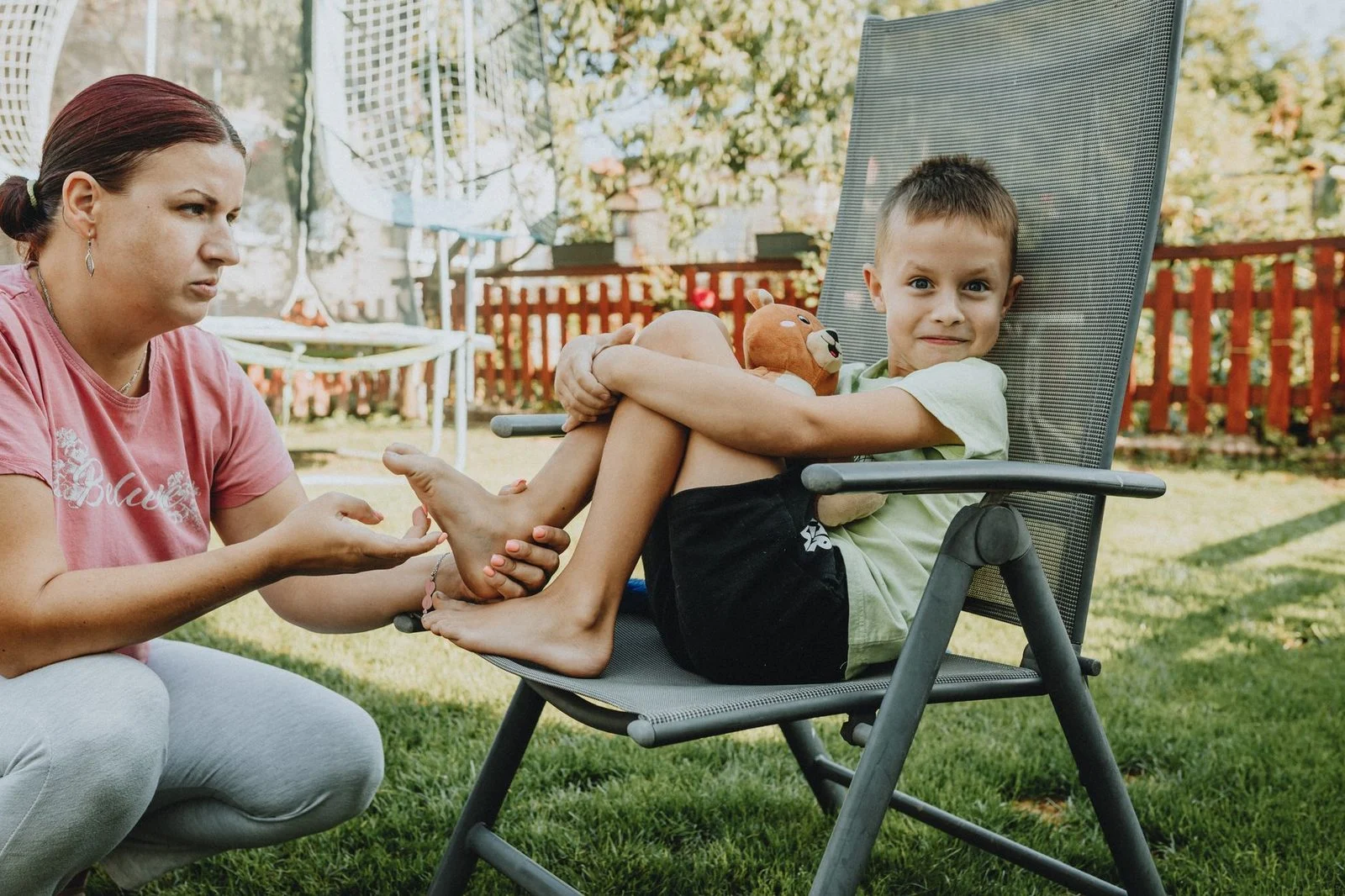
How the Clock Works When the Injured Person Is a Child
A child’s own claim is generally extended, not erased. NMSA § 37-1-10 extends the time limits for minors and incapacitated persons. They get one year from and after the end of that incapacity to file.
For a minor, that means the one-year window generally starts when the minority ends. The child’s claim is still on a clock, just a later one. An extension is not the same as no deadline.
Here is a common mistake. Families hear that a child has time, then stop tracking dates altogether. That is risky, because the extension does not reach every claim in the case. The sections below show where it does not apply.
Catastrophic injuries, such as spinal cord injuries, amputations, and severe burns, often need long-term medical records. Start collecting them now, even though the child’s own time is extended. Records from the first weeks can be hard to recreate later.
Parent Claims and Loss of Consortium: Track Them Separately
Some claims in a child’s injury case belong to the parent, not the child. New Mexico treats loss of consortium damages as belonging to a family member with a close relationship to the injured person. Thompson v. City of Albuquerque states that rule. These damages belong to that family member, not to the injured child or the estate.
Because a parent’s claim can have a different owner, do not assume one set of dates covers the whole family. Ask early which claims belong to whom, and keep them on separate lists.
Start a dated file now. Save every bill, payment receipt, mileage log, and note about missed work from the day of the accident forward. Those dates matter when anyone counts time later.
If the Child Died: Wrongful Death Timing
The three-year filing period and the accrual date as of the date of death are set in NMSA 1978, § 41-2-2. NMSA § 41-2-2 says the cause of action accrues as of the date of death. Accrual is the point when the claim legally begins.
New Mexico’s wrongful death law makes a person or company that would have been liable for an injury liable for damages, even after the injured person dies. NMSA § 41-2-1 sets out that rule. A death after a catastrophic injury can raise both a wrongful death question and an injury question.
NMSA § 37-2-1 says the wrongful death and personal injury causes survive the death of the party responsible for the harm. Each claim can carry its own timing. Track the injury date and the date of death side by side from the start.
Claims Against a Government Entity Have Shorter Notice Rules
A claim against a city, county, or state entity under the Tort Claims Act requires written notice within ninety days, or within six months after the injury for a wrongful death claim, unless the governmental entity had actual notice of the occurrence. NMSA § 41-4-16 requires notice stating the time, place and circumstances of the loss or injury. This applies where immunity has been waived under the Act.
No suit can go forward without that notice, unless the government entity had actual notice of the occurrence. A missed notice can bar a Tort Claims Act suit, because no suit or action for which immunity has been waived under the Tort Claims Act shall be maintained unless notice has been given as required, even while the filing period is still open.
The filing deadline is shorter too. NMSA § 41-4-15 bars tort actions against a governmental entity or public employee unless filed within two years of the occurrence. A minor under seven has until the ninth birthday. The statute says it applies to all persons regardless of minority, so the child’s general extension should not be counted on for these claims.
For a wrongful death claim against a government entity, the lawsuit must be filed within two years after the date of occurrence resulting in loss, injury or death under NMSA § 41-4-15. Under NMSA § 41-4-15, “Actions against a governmental entity or a public employee for torts shall be forever barred, unless such action is commenced within two years after the date of occurrence resulting in loss, injury or death, except that a minor under the full age of seven years shall have until his ninth birthday in which to file.”
Health Care Provider Claims Have a Separate Deadline
Under NMSA § 41-5-13, a claim for malpractice against a health care provider must be filed within three years after the date the act of malpractice occurred. Minors and incapacitated persons get one year from and after the age of majority or termination of incapacity to bring their actions.
Medical care can also raise an accrual question. In Roberts v. Southwest Community Health Services, the court held that a claim against a health care provider not covered by the Medical Malpractice Act accrues when the plaintiff knows, or with reasonable diligence should have known, of the injury and its cause.
Bring the discharge papers, the treatment dates, and any letters about the care to a first conversation. Those papers help sort out which dates matter.
Not sure what your next step is?
Talk it through with our team — the first consultation is free, confidential, and carries no obligation.
What Can Change the Start Date
The start date depends on the facts of the injury and when it was known. The accident date is a starting point, but it is not always the only date that matters.
Accrual can turn on when the injury and its cause were known. In a medical-care setting, Roberts applies a knew-or-should-have-known test. Other dates can also matter, such as the date of a diagnosis or surgery.
A simple timeline helps. Write down every date you know: the accident, the first hospital visit, any surgery, the diagnosis, and each follow-up visit. Seeing the dates in one list shows which clocks may be running.
Preserve Evidence While the Deadlines Run
Preserve evidence now, while the deadlines run. Keep the crash report number, photos of the scene and vehicles, and the names and phone numbers of witnesses. Keep all medical records, including imaging, therapy notes, and bills.
Keep damaged items too, such as a helmet, a car part, or clothing. New Mexico can hold a party liable for intentional spoliation of evidence, which means destroying evidence on purpose. Torres v. El Paso Electric Co. holds that this liability does not require a filed complaint or express notice that one will be filed.
Dated family notes about the child’s daily life help show how the injury changed things over time. For a fuller checklist, read our catastrophic injury evidence guide.
What Counts as Filing Your Case in New Mexico
A case counts as started when the petition is filed with the proper clerk’s office, as discussed above. A narrow rule can pause the count in some situations. Under NMSA § 37-1-12, time that an injunction order or other lawful proceeding prevents a filing is not counted.
That rule applies only when a court order or similar proceeding blocks the filing.
For the full range of catastrophic injury claims in New Mexico, see our catastrophic injury claims overview.
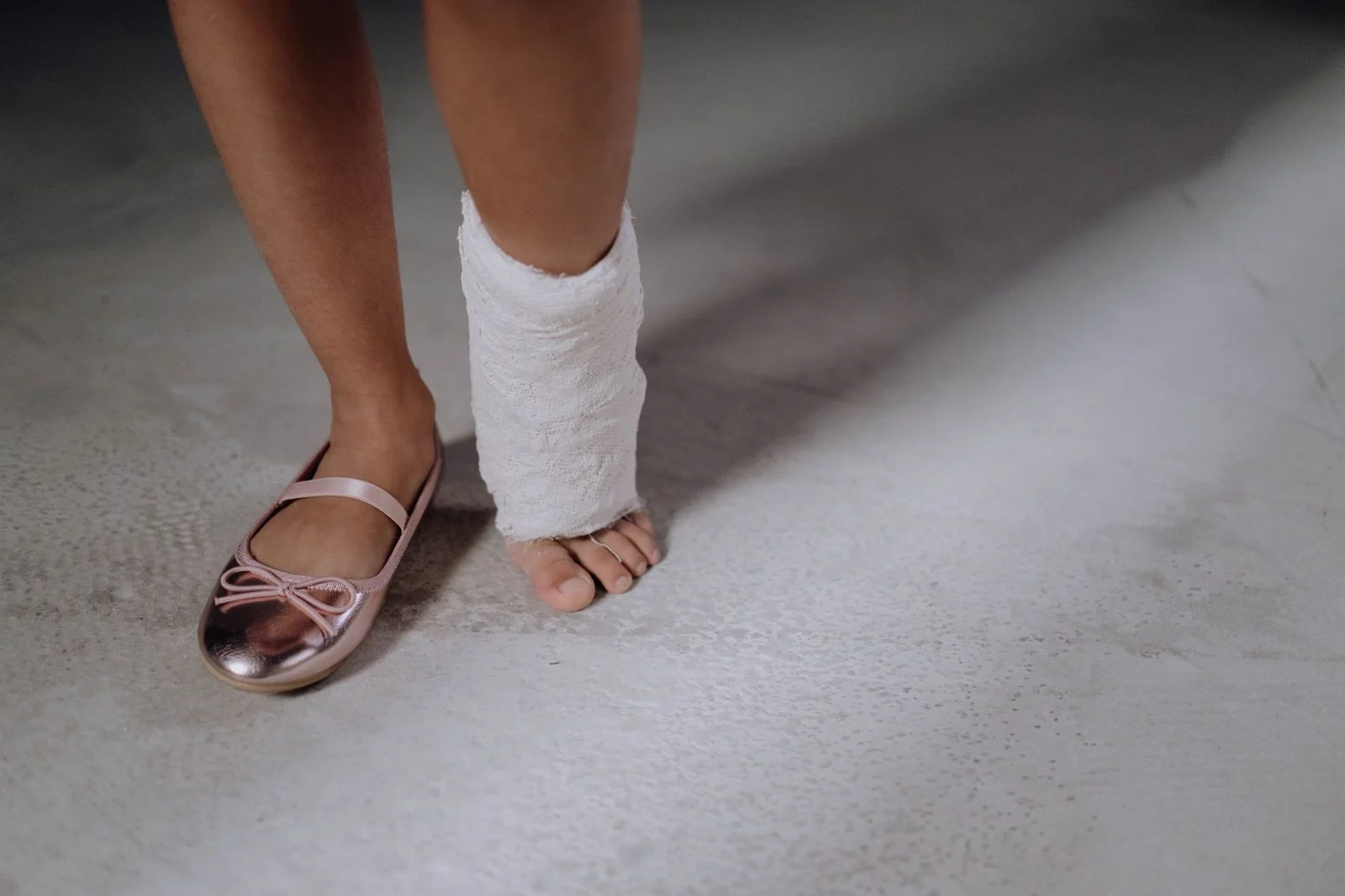
Talk With Our Team About Your Child’s Deadlines
If your child has a spinal cord injury, an amputation, or severe burns from a crash, you may not know which clocks are running. That is a hard place to be, and the dates matter most at that point. Josh Wood is the lawyer responsible for this page. He is licensed in New Mexico. Contact details are at elgringolaw.com.
Does the clock stop for a child in New Mexico?
The time limit is extended for minors. Under NMSA § 37-1-10, the child has one year from and after the end of the incapacity to file.
How long does a family have after a death?
NMSA § 41-2-2 provides that every action instituted by virtue of the provisions of this and the preceding section (41-2-1) must be brought within three years after the cause of action accrues. The cause of action accrues as of the date of death. See NMSA § 41-2-2.
Is there a deadline to notify a city or county?
Yes. For Tort Claims Act claims, written notice must be presented within ninety days after the occurrence, or within six months after the date of the occurrence of the injury which resulted in the death for a wrongful death claim, under NMSA § 41-4-16, unless the governmental entity had actual notice of the occurrence.
If your child’s injury has you asking which dates apply, reach out to El Gringo Law through the contact page. You can request a free, confidential first consultation with no obligation to continue.
Your first step with El Gringo Law
A free first consultation
Your initial consultation is free, confidential, and comes with no obligation to continue.
Talk with us your way
Call the firm, submit a contact form, or start a chat to ask questions about your child's situation.
Support for families
We understand that parents and loved ones are often facing medical care, questions, and stress all at once. We take time to listen.
Clear answers about your options
We explain the process in plain language so you can make informed decisions about your family's next steps.
Don't wait to ask questions
Filing deadlines are easy to misjudge, especially when a child is involved. Talking with a lawyer early gives you a clearer picture of your options.
Injuries to children we handle
Car accidents
Children injured as passengers, pedestrians, or bicyclists in collisions on New Mexico roads.
Trucking accidents
Serious harm to a child caused by a commercial truck or large vehicle on highways and local streets.
Catastrophic and spinal cord injuries
Lasting injuries that require long-term medical care, rehabilitation, and planning for the future.
Wrongful death
Families who have lost a child may have questions about legal options and the timing of their claims.