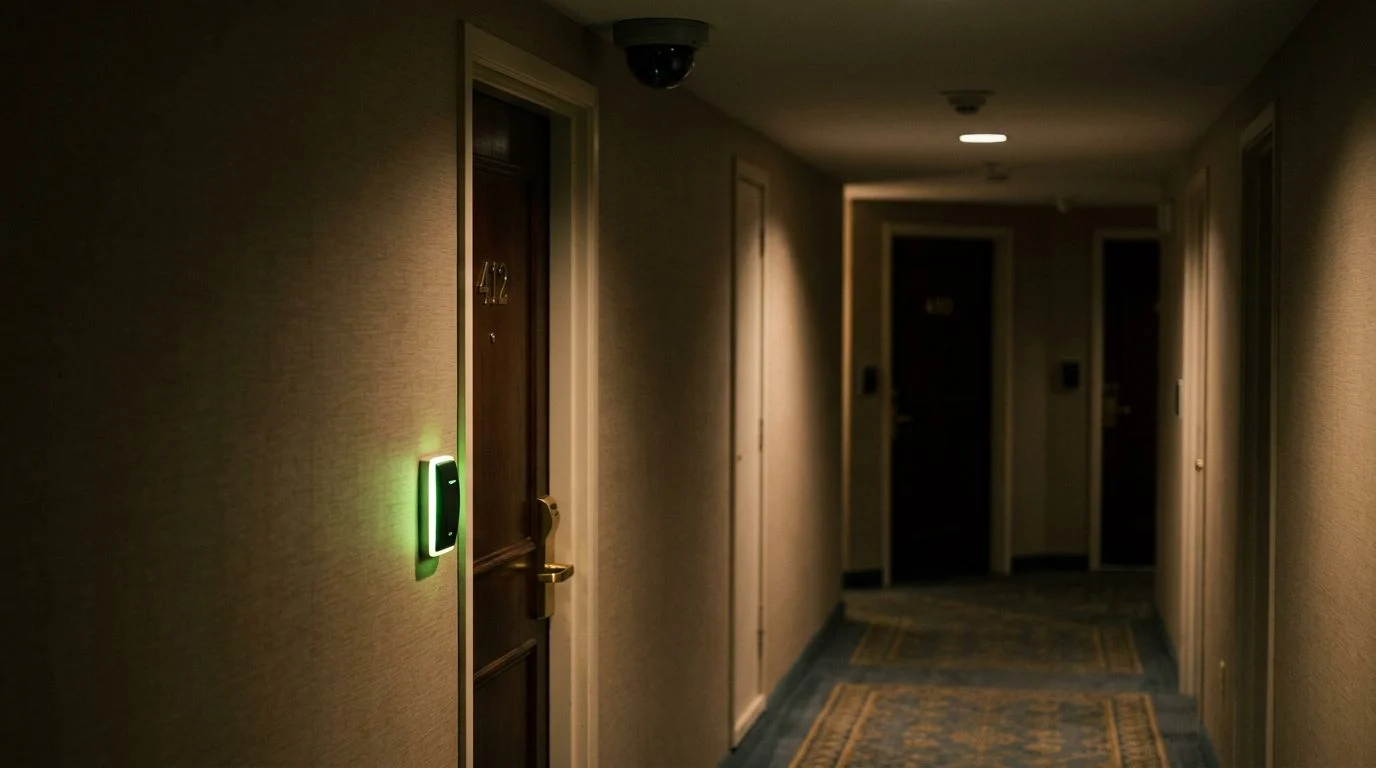
Negligent Security & Brain Injury | Albuquerque and Bernalillo County
Hurt in an Attack on Someone Else's Property? You Don't Have to Sort It Out Alone.
El Gringo Law represents people hurt by negligent security, including traumatic brain injuries. We focus on holding property owners and managers accountable so you can concentrate on recovering.
By Josh Wood · Published November 3, 2026
Negligent security is a claim that a business failed to protect people from a crime it should have expected. When an assault at a business causes a brain injury, a claim may be possible, depending on the facts. This guide explains how these cases work in Albuquerque and across New Mexico. You’ll learn what the business must do, what evidence matters, what a claim can cover, and what happens next.
What a Negligent Security Claim Is When an Assault Causes a Brain Injury
A negligent security claim says a property owner or business did not take reasonable steps against a foreseeable crime. It falls under premises liability, the broader set of rules for injuries that happen on someone else’s property.
New Mexico’s visitor rule says an owner or occupant must use ordinary care to keep the premises safe for visitors (UJI 13-1309 NMRA). A related instruction says that duty covers harm from the foreseeable conduct of a third party, including criminal conduct (UJI 13-1320 NMRA).
In plain terms, the business must take reasonable steps against attacks it could reasonably predict.
These assaults happen in many places around Albuquerque. Common settings include bars and restaurants, parking lots and parking garages, retail stores, and apartment or commercial grounds. Customers, visitors, and employees can all be hurt.
The injured person is the first person a claim affects. If that person cannot yet describe what happened, a family member often helps gather facts and speak with the firm on their behalf.
If an assault at a business left someone you love with a brain injury, you may have a claim, and we can talk it through with you. Talk it through with our team — the first consultation is free, confidential, and carries no obligation.
Brain Injuries From Assaults: Types, Symptoms, and Long-Term Effects
A brain injury from an assault can range from mild to severe, and symptoms don’t always appear right away. Early medical care matters for both recovery and the record.
Families often describe:
- headaches and dizziness
- confusion or trouble with memory
- sensitivity to light or noise
- changes in mood, sleep, or behavior
Some changes appear or grow over weeks or months. That’s why follow-up visits matter, even when symptoms seem to improve.
Medical records are the main proof of the injury in a claim. Emergency visits, imaging results, neurological exams, and therapy notes show what providers found and when. Gaps in treatment can make it harder to link later symptoms to the assault.
Families also report longer-term effects. These can include trouble returning to work, less independence at home, and strain in relationships. Every family’s experience is different.
One practical habit helps. Keep a simple written log of symptoms, appointments, and missed work, and bring it to every visit.
Proving Negligent Security: What the Business Knew and What It Did
The central question is whether the attack was reasonably foreseeable and whether the business took reasonable steps in light of that risk.
Generally, a negligence claim requires the existence of a duty from a de *48 fendant to a plaintiff, breach of that duty, which is typically based upon a standard of reasonable care, and the breach being a proximate cause and cause in fact of the plaintiffs damages (Herrera v. Quality Pontiac). A proximate cause produces the injury in a natural and continuous sequence. A proximate cause of an injury is that which in a natural and continuous sequence [unbroken by an independent intervening cause] produces the injury, and without which the injury would not have occurred. It need not be the only cause, nor the last nor nearest cause (Herrera v. Quality Pontiac).
Evidence that bears on foreseeability often includes:
- prior assaults, fights, or police calls at the same location
- complaints from customers, tenants, or employees about the same problem
- security measures such as lighting, locks, cameras, staffing, and patrols
- how quickly staff responded when trouble started
A police report is one piece of evidence. It is weighed alongside business records, witness accounts, and the scene itself.
Public data can add context about an area. The FBI Crime Data Explorer shows reported crime by agency, and the Bureau of Justice Statistics National Crime Victimization Survey tracks victimization, including assault.
Act early to preserve evidence. Video systems often record over older footage, so ask for surveillance video as soon as possible. Save incident reports, witness names, photos of the lighting and scene, and any written security policies you can get. For a related look at bar cases, see bar and nightclub negligent security claims.
What a Claim Can Cover After a Brain Injury From an Assault
A claim can seek money for losses the injury caused, such as medical costs, lost income, and pain and suffering.
Categories a personal injury claim may include:
- past and future medical care, therapy, and medications
- lost wages and reduced ability to earn
- pain, suffering, and loss of enjoyment of life
A spouse may have a separate loss of consortium claim. Second, loss of consortium damages result from the wrongful injury or death of someone who was in a sufficiently close relationship to the loss of consortium claimant, and such damages belong to the loss of consortium claimant and not to the injured person or the decedent’s estate (Thompson v. City of Albuquerque).
New Mexico uses comparative negligence. Where more than one person’s negligence caused the plaintiff’s injury, the plaintiff’s total damages are multiplied by the percentage of each defendant’s negligence to determine the amount awarded against that defendant (UJI 13-2219 NMRA). When more than one person is at fault, the jury compares each person’s negligence and assigns each a percentage, and each defendant owes the plaintiff its percentage of the total damages (UJI 13-2219 NMRA).
Every case is different. Value depends on the medical records, the bills, the work history, and the evidence in that case.
How the Process Works, Step by Step
A negligent security claim usually moves from an initial consultation to evidence gathering, a demand, and, if needed, a lawsuit.
- Initial consultation. Review what happened, where, and the injuries involved.
- Protect evidence. Request footage, save records, and document treatment.
- Investigate. Gather police and business records, find witnesses, and review the location’s security history.
- Medical documentation. Collect treatment records and ask providers about the injury and its expected course.
- Demand and negotiation. The claim goes to the business or its insurer. Timing depends on the medical picture.
- Lawsuit if needed. If a fair resolution isn’t reached, a lawsuit may be filed, followed by discovery and possibly mediation or trial.
Actions must be brought against sureties on official bonds and on bonds of guardians, conservators, personal representatives and persons acting in a fiduciary capacity, within two years after the liability of the principal or the person for whom they are sureties is finally established or determined by a judgment or decree of the court, and for an injury to the person or reputation of any person, within three years (NMSA § 37-1-8). The times limited for the bringing of actions by the preceding provisions of this chapter shall, in favor of minors and incapacitated persons, be extended so that they shall have one year from and after the termination of such incapacity within which to commence said actions (NMSA § 37-1-10). Other rules can change the timing.
If the property belongs to a government entity, the Tort Claims Act can add notice rules.
Why El Gringo Law for a Negligent Security Brain Injury Claim
El Gringo Law is a New Mexico personal injury firm. It handles negligent security, premises liability, car and trucking accidents, wrongful death, and catastrophic injury matters.
Josh Wood is the responsible lawyer for this page. He is licensed in New Mexico and Arizona.
Our team includes lawyers and support staff. Support staff help gather records and keep case files organized.
The firm’s approach is to be on the injured person’s side from the first conversation. Each matter is reviewed on its own facts.
Not sure what your next step is?
Talk it through with our team — the first consultation is free, confidential, and carries no obligation.
Common Questions About Brain Injury Claims From Assaults at Businesses
Most of these questions turn on what the business knew and what it did about the risk.
Whether anyone was arrested is separate from whether the business owed a visitor the duty to use ordinary care to keep the premises safe for use by the visitor.
Does a police report decide the case?
No. A police report is one piece of evidence weighed with other records.
What if I was partly at fault?
Under New Mexico’s comparative negligence jury instruction, the jury determines the plaintiff’s total damages, assigns percentages of negligence to the plaintiff and the defendant that total 100%, and reduces the plaintiff’s total damages by the plaintiff’s percentage of negligence (UJI 13-2218 NMRA).
Can a family member contact a lawyer for me?
Yes. A family member can reach out on the injured person’s behalf, and the firm can explain what it needs next.
Is the first consultation free?
Yes. The initial consultation is free, confidential, and comes with no obligation to continue.
Talk With El Gringo Law About the Assault and the Injury
If you’re managing a brain injury after an assault, you may also be dealing with medical visits, time away from work, and hard questions about what happened. You don’t have to sort it all out alone.
When you’re ready, reach out through the El Gringo Law contact form. Josh Wood, the responsible lawyer for this page, and our team can review what happened with you.
How We Can Help
Negligent Security Claims
When a property owner or manager fails to provide reasonable safety measures, and a foreseeable crime injures someone, we investigate who was responsible.
Brain Injury Cases
Traumatic brain injuries can change how you think, work, and live. We pursue these as catastrophic injury claims and take the time to document the full impact.
Investigation and Records
We look at police reports, security camera footage, lease and maintenance records, and prior incidents to build a clear picture of what happened.
Clear Communication
We explain each step in plain language, so you always know where your case stands.
Get Medical Care First
Brain injuries are not always obvious right after an incident. Symptoms such as headaches, confusion, dizziness, or memory problems can appear hours or days later. See a medical provider promptly and follow their advice.
What to Bring to Your Free Consultation
Incident Details
Where and when the incident happened, and what you remember about the people and conditions involved.
Medical Records
Emergency room notes, imaging results, follow-up visits, and any referrals or therapy plans.
Reports and Photos
Police or incident report numbers, photos of the location, and any messages or notices from the property.
Work and Daily Impact
Missed work, changes in your daily routine, and anything your family has noticed since the injury.