Negligent Security · Premises Liability · New Mexico
Hurt in a Crime on Someone Else's Property? Find Out Where You Stand
El Gringo Law helps people across New Mexico understand their options after an assault or crime on a business or apartment property, and what to do next.
By Josh Wood · Published November 10, 2026
If someone attacked you on a business’s property, you may be asking whether you can sue that business too. Many people in this spot are still shaken, and some are asking for a family member who was hurt.
The attacker is usually the person most directly responsible for the assault. A business can also share responsibility when it knew or should have known about a risk of crime and did not take reasonable steps to guard against it.
This page explains how New Mexico looks at these claims, what evidence matters, and what to do now.
The Short Answer: Sometimes, Depending on What the Business Knew and Did
Yes, a business can sometimes be sued after an attack on its property. The claim focuses on the business’s own conduct, not only on the attacker’s act.
A negligence claim generally requires a duty owed to the injured person, a breach of that duty, and a breach that was a cause of the injury. Herrera v. Quality Pontiac states those elements. In a claim for negligence in hiring, supervising, or retaining an employee, the key question is usually whether the employer knew or should have known the employee would create an unreasonable risk of injury and failed to use ordinary care.
The answer depends on the facts. What happened, where it happened, what the business knew, and what it did about the risk all matter. Two attacks that look alike can still lead to different answers.
If you were hurt in an attack on a business's property, you don't have to sort out your options alone. Our team can talk through what happened with you. Talk it through with our team — the first consultation is free, confidential, and carries no obligation.
What a Business Owes People Who Are on Its Property
A business owes a lawful visitor a duty to use ordinary care to keep the property safe.
The UJI 13-1309 NMRA instruction says an owner owes a visitor a duty to use ordinary care to keep the premises safe for use by the visitor. Its commentary adds that this duty applies even when a danger is known or obvious, unless the trial court determines the visitor’s negligence was unforeseeable as a matter of law.
Ordinary care means what a reasonably prudent person would do in the same situation. The UJI 13-1603 definition adds that the amount of care grows as the risk that should reasonably be foreseen grows.
New Mexico also dropped the old split between licensees and invitees. In Ford v. Board of County Commissioners, the New Mexico Supreme Court adopted a single standard of reasonable care for visitors. Trespassers remain a separate category, so the rules can differ for someone who was not lawfully on the property.
The duty can also reach harm caused by other people. The UJI 13-1320 instruction says a landowner must use ordinary care to protect a visitor from harm caused by the acts of a third person where there is a foreseeable risk that a third person will injure a visitor. That is the link between a business and an attack by a stranger.
What Negligent Security Means in an Assault Case
Negligent security is a premises liability claim. It says a business failed to provide reasonable security against crime it should have expected. Put simply, the business did not do enough to protect people on its property.
Security measures that often get examined include:
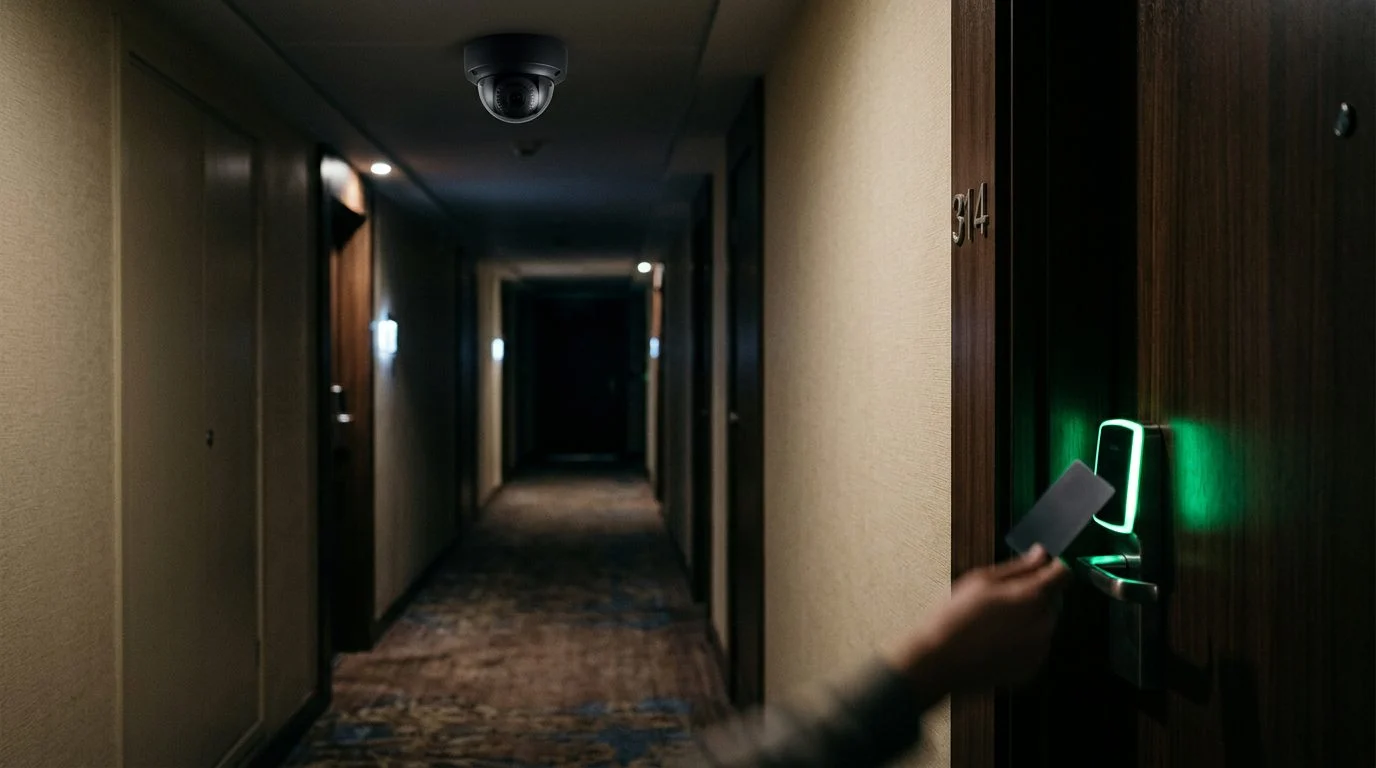
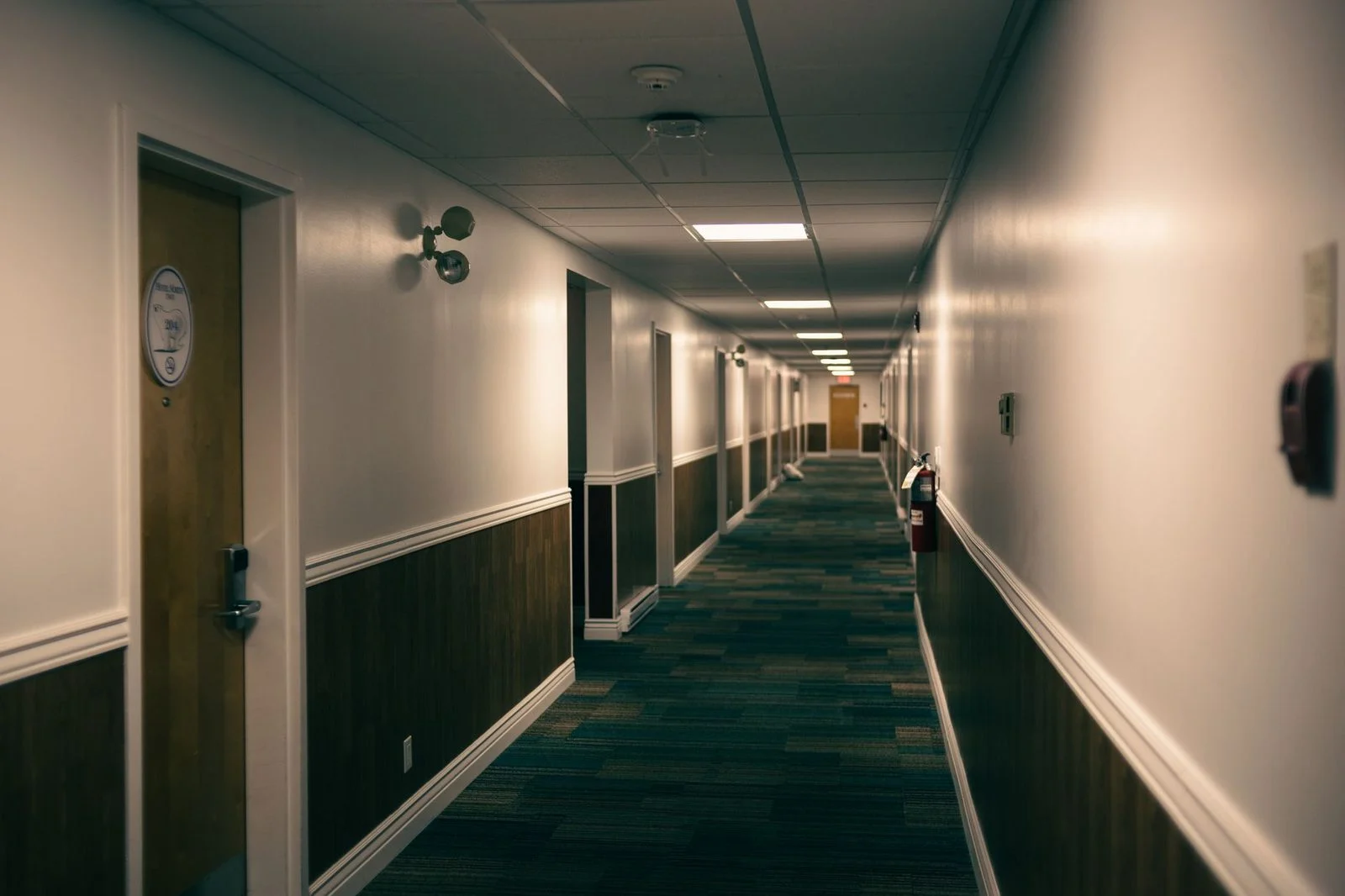
- Lighting in parking areas, entrances, and walkways
- Working locks, gates, and controlled access
- Cameras, and whether they worked and were watched
- Staffing and patrols during the hours when problems happened
- How the business responded to earlier trouble
Reasonable security is judged by the circumstances. A business that has had repeated problems may need to take more precautions to meet the same standard of ordinary care. The question is what a reasonably prudent business would do in that situation, not whether a perfect system existed.
A negligent security claim is against the business for its own failure. It is separate from the claim against the attacker, even though both come from the same event.
Signs That an Attack May Have Been Foreseeable
An attack may be foreseeable when the business had reason to expect similar crime. Earlier incidents on the same property are often the strongest sign.
Facts that can show a risk was foreseeable include:
- Earlier assaults, robberies, or fights on the same property
- Repeated police calls for service to the address
- Complaints from customers, tenants, or employees about safety
- A pattern of trouble in the parking lot, entry, or common areas
A record of similar incidents at the same business often matters more than general crime data for the area. Neighborhood numbers show the backdrop. The business’s own history shows what it actually knew.
New Mexico courts use a “knew or should have known” test in related employer cases. The same logic helps explain why records matter in a premises case.
How Someone Proves What the Business Knew or Should Have Known
Proof usually comes from records the business kept and records the police made. These are the categories that matter most:
- Incident reports and internal notes about fights or thefts
- Police calls for service at the address
- Security logs, patrol sheets, and access records
- Prior claims or complaints about safety
- Messages or emails about lighting, locks, or security concerns
A police report from the night of the attack can matter a great deal. Write down the report number, the time, and the names of the responding officers if you have them. Those details help anyone who later looks for the record.
Witness statements can fill gaps. Photographs of the scene, the lighting, the entrance, and your injuries are useful. Medical records help tie the injuries to the assault. Under UJI 13-305 NMRA, an act is a cause if it contributes to bringing about the injury and is reasonably connected as a significant link to it.
Surveillance video is often the most important and most fragile piece of evidence. Many camera systems record over older footage on their own schedule. Early steps to preserve video can make a real difference.
Who Can Be Named in a Lawsuit After an Attack
A claim may name the business owner, a property management company, an operator, or a security contractor. The party that controlled the property and its security usually decides who is involved.
New Mexico’s several liability statute divides fault among defendants. Under NMSA 1978, § 41-3A-1, a defendant who shows that another’s fault was a proximate cause of the injury is generally liable only for its own share. The same statute makes an exception for people who acted with the intention of inflicting injury or damage, so the rules can differ when the attacker acted on purpose.
When fault is compared among defendants or non-parties, the jury assigns a percentage to each person whose negligence caused the damage. UJI 13-2219 NMRA sets out that process.
Off-duty or former security guards add another layer. Responsibility can depend on whether the guard was working for the business and how the employer hired, trained, or supervised that person. UJI 13-1647 NMRA explains that negligent hiring, retention, and supervision claims do not require the employee to be acting within the scope of employment when the injury happened.
Attacks by a coworker raise different rules. Under NMSA 1978, § 52-1-9, workers’ compensation can replace other liability when the employer has complied with the provisions regarding insurance, the employee is performing service arising out of and in the course of his employment, and the injury or death is proximately caused by accident arising out of and in the course of his employment and is not intentionally self-inflicted.
Not sure what your next step is?
Talk it through with our team — the first consultation is free, confidential, and carries no obligation.
When a Business May Not Be Responsible
A claim against a business can be harder to prove in several situations. The attack may not have been reasonably foreseeable. The business may have had and used reasonable security. These points come from the basic elements of negligence, not from any prediction about a specific case.
Other common issues include:
- The business did not know, and had no reason to know, about a pattern of danger
- The security measures were reasonable for that setting
- The lack of security was not a significant link to the injury
- The person was trespassing, which carries separate rules
- When a third person’s wrongful conduct contributes to a visitor’s injury, the business’s proportionate fault is not necessarily reduced by that conduct. If the court finds a jury question exists on the visitor’s comparative fault, the jury may also weigh the injured person’s own fault in determining the business’s proportionate degree of fault.
New Mexico uses comparative negligence. New Mexico adopted comparative negligence in Scott v. Rizzo.
An unexpected attack does not automatically mean there is no claim. The question is what the business knew or should have known, and what it reasonably did about it.
Injuries and Losses That Often Come Up in These Claims
Claims often involve medical care, lost income, pain and suffering, and emotional harm. Each category depends on the person’s records and situation.
Medical costs can include emergency care, follow-up visits, and treatment that continues for months or years. Lost wages can include time away from work for appointments and recovery. If the injury is lasting, future earning ability can also be part of the picture.
Serious injuries need extra planning. Spinal cord injuries, burn injuries, amputations, and other catastrophic injuries can involve long-term care, home changes, and ongoing medical needs. Keeping records from every provider early makes that picture clearer.
Sexual assault claims and wrongful death claims raise their own legal questions. Each one needs a review of its own facts before any decision is made.
Filing Deadlines and Preserving Evidence
New Mexico generally gives three years to bring a personal injury claim. Under NMSA 1978, § 37-1-8, actions for an injury to the person must be brought within three years.
For a wrongful death claim, NMSA 1978, § 41-2-2 requires the action within three years after the cause of action accrues. The statute says the cause of action accrues as of the date of death.
Waiting can cost evidence. Video can be overwritten, witnesses can move or forget what they saw, business records can be discarded, and memories fade. Those losses can weaken a claim before anyone has filed it.
A missed deadline can end a claim. Timing questions should be looked at early, not when the deadline is close.
Steps to Take Now and Talking With Our Team
Start with your health. Get medical care, follow up as advised, and keep every record, bill, and appointment note. Medical records often form the base of the injury proof.
Report the attack to police and keep the report number. Write down what happened, when, where, and who was nearby while the details are fresh. Photograph injuries and the scene if you can do so safely. Save receipts, messages, and any written contact with the business.
Be careful before you speak with the business or its insurer. A recorded statement or a signed document can shape a claim before you understand your options. Talking through the situation first is a reasonable step.
If you were attacked on a business’s property and you’re deciding what comes next, you don’t have to sort it out alone. Our team can talk through what happened, the records you have, and the deadlines that may apply. Your first consultation is free, confidential, and carries no obligation to continue. You can reach our team through the contact form.
Frequently Asked Questions
Can I sue a business if I was attacked on their property?
Sometimes. A business may share responsibility when it knew or should have known about a risk and did not take reasonable steps to guard against it.
How long do I have to sue in New Mexico?
New Mexico generally allows three years for personal injury claims. Wrongful death claims also generally run three years from the date of death (NMSA 1978, § 41-2-2 — three years from the date of death).
Does the attacker’s crime let the business off the hook?
Not automatically. New Mexico law can hold a landowner responsible for protecting visitors from foreseeable criminal conduct, and fault can be divided among the people involved.
Can I still recover if I was partly at fault?
Generally, yes. New Mexico uses comparative negligence, so your share of fault reduces recovery rather than automatically ending the claim.
Josh Wood is the responsible lawyer for this page. He is licensed in New Mexico and Arizona. El Gringo Law serves clients across New Mexico. Contact the firm through the contact form.
Why Talk to El Gringo Law
Free, Confidential First Consultation
Your initial consultation is free, confidential, and comes with no obligation to continue.
Our Team Answers Your Questions
Our lawyers and staff take the time to explain the process in plain language, at your pace.
Help Organizing Your Information
We can help you think through the incident details, records, and witnesses that matter most to your situation.
Speak With Us Directly
Call, send a contact form, or start a chat to reach our office on your schedule.
Write Down What You Remember Now
Memories fade and records disappear. Note the date, time, and location, what you saw and heard, and the names of anyone who was there. Keep any photos, texts, and medical or police paperwork you received.
Details That Often Help Your Consultation
The Location
Note the property's name, address, and the area where the incident happened, such as a parking lot, stairwell, or entrance.
Prior Incidents
If you know of earlier crimes or complaints at the same place, write down what you recall and when you heard about them.
Security Conditions
Describe lighting, locks, gates, cameras, and whether security staff were present at the time.
Medical Care
Keep records of every visit, diagnosis, and treatment, along with the bills and any work you missed.