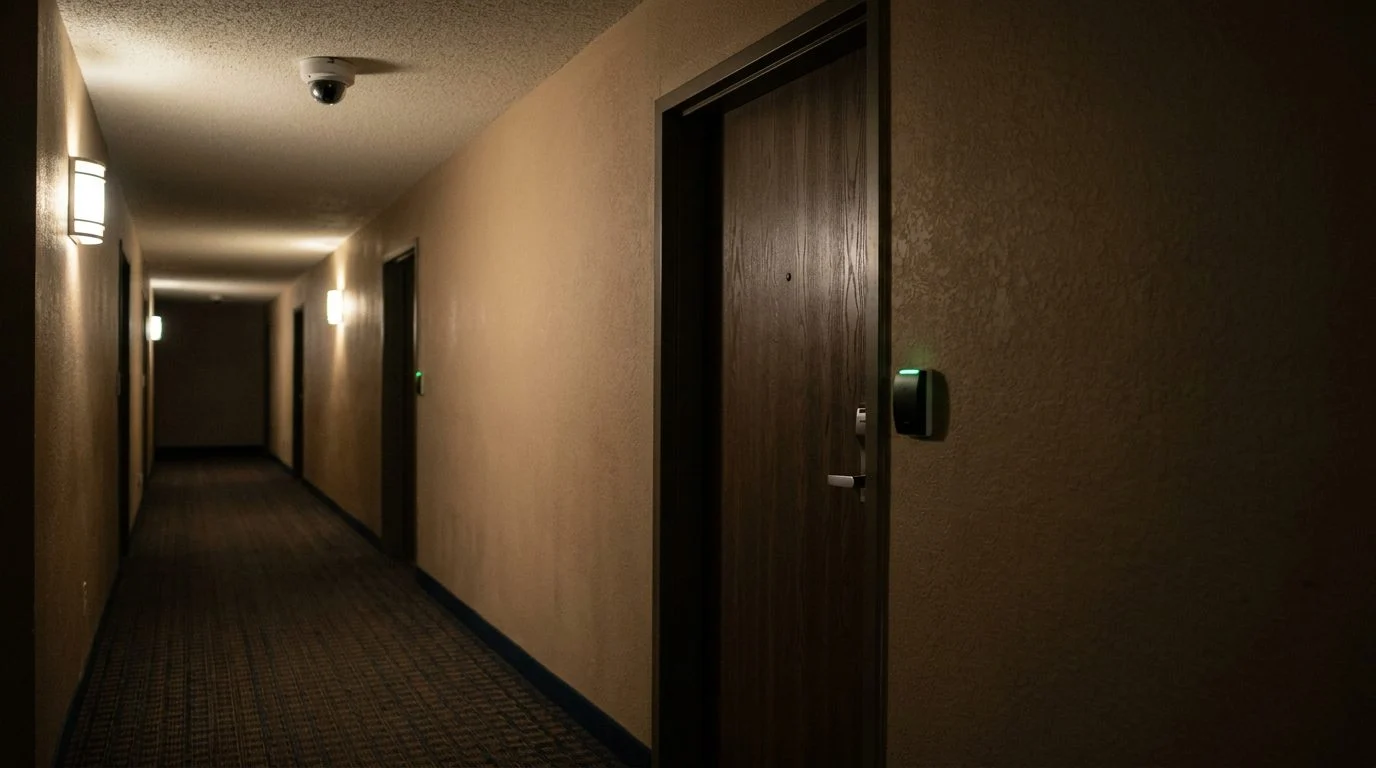
Negligent Security · New Mexico
When a Crime on Someone Else's Property Causes Your Injury
Property owners and managers have a duty to take reasonable steps against crimes they should have expected. Learn how New Mexico courts look at those cases and what to do next.
By Josh Wood · Published November 12, 2026
You were hurt in a crime on someone else’s property, and now you want to know if the owner could be held responsible. In a New Mexico negligent security case, the key question is whether the crime was foreseeable.
This guide explains what foreseeable means, how the facts get weighed, and how those facts fit together in a real situation.
What Does “Foreseeable” Mean in a New Mexico Negligent Security Case?
Foreseeable means the owner had reason to expect a foreseeable risk that a third person will injure a visitor on the property, and the amount of care the owner must use increases as the risk of danger increases.
Negligent security is a form of premises liability, which covers injuries on someone else’s property. Our negligent security guide for New Mexico covers the wider claim. This page focuses on one question: how foreseeability is judged.
The answer depends on the facts at that specific property. A parking lot with a history of car break-ins and assaults raises a different question than a quiet lot with no reports at all.
If you were hurt in a parking lot or apartment complex where crimes had happened before, you may have a claim, and our team is ready to talk through what happened with you. Talk it through with our team — the first consultation is free, confidential, and carries no obligation.
Why Is Foreseeability the Center of a Negligent Security Claim?
Foreseeability comes first because it helps set the owner’s duty. Under UJI 13-1309, a landowner owes a visitor the duty to use ordinary care to keep the premises safe. The committee commentary says that duty protects visitors against conditions that foreseeably pose an unreasonable risk of injury.
For harm caused by other people, the rule is more specific. UJI 13-1320 says a landowner must use ordinary care to protect a visitor against harm from the foreseeable conduct of a third party. That conduct can be innocent, negligent, intentionally wrongful, or criminal.
A negligence claim generally needs a duty, a breach of that duty, and a breach that was a proximate cause and cause in fact of the damages. Herrera v. Quality Pontiac states that rule. If the risk of crime was not foreseeable, a claim can stall at the duty step. That is why the issue often comes early.
The focus stays on what was known or could reasonably have been known before the incident.
How Do Location and Nearby Crime Affect the Analysis?
Location and nearby crime help show whether a risk was reasonably foreseeable. A property in an area with recent robberies, police calls, or assaults may carry a different risk than one in a quiet area.
Useful information can include reported crimes near the property, calls for police service, and how the area looked at the time of the incident. Public data can help show these patterns. The National Crime Victimization Survey from the Bureau of Justice Statistics tracks robbery and assault. For New Mexico agencies, the FBI Crime Data Explorer provides reported crime data by agency.
Distance matters too. An incident across the street may be weighed differently from one in the property’s own lot or stairwell. Time of day matters, and so does the type of crime. A pattern of late-night thefts can mean something different from a pattern of daytime vandalism. Each fact is weighed together with the others.
How Are Past Incidents on the Property Weighed?
Prior incidents on the same property are often central evidence that an owner knew about a risk. Past assaults, robberies, break-ins, and similar complaints show what the owner had reason to expect.
How closely a past incident matches the one that caused the injury matters. So does how recent it was. A prior car break-in in a lot is not the same as a prior assault there, though both can be relevant. The weight a court gives each one depends on the facts.
Evidence can come from several places. Incident reports, police records, tenant or employee complaints, and the owner’s own logs can show what was reported and when. Photos of conditions, such as a broken gate or a dark walkway, can show what the property looked like. For a practical look at proof after an assault at a business, read proof needed after an assault at a business in Albuquerque.
Complaints the owner received can show the owner was aware of a problem. That is why dated complaints often matter.
Does the Type of Business Change the Risk?
Yes, the kind of business and the people it draws can change which risks are reasonably foreseeable. A late-night store, a bar, a business that handles cash, or a property with a large parking area can face different risks than a small office with set hours.
Apartment communities with shared entrances, open walkways, and gates have their own patterns. How the property is used is part of the picture.
Under UJI 13-1603, ordinary care is the care a reasonably prudent person would use in the conduct of that person’s own affairs. The instruction adds that as the risk of danger that should reasonably be foreseen increases, the amount of care required also increases. The conduct must be judged in light of all the surrounding circumstances.
So business type matters. It can change the risk, and the care expected changes with it. These examples are general. Each property has its own facts.
Are Lighting, Locks, and Staffing Evidence?
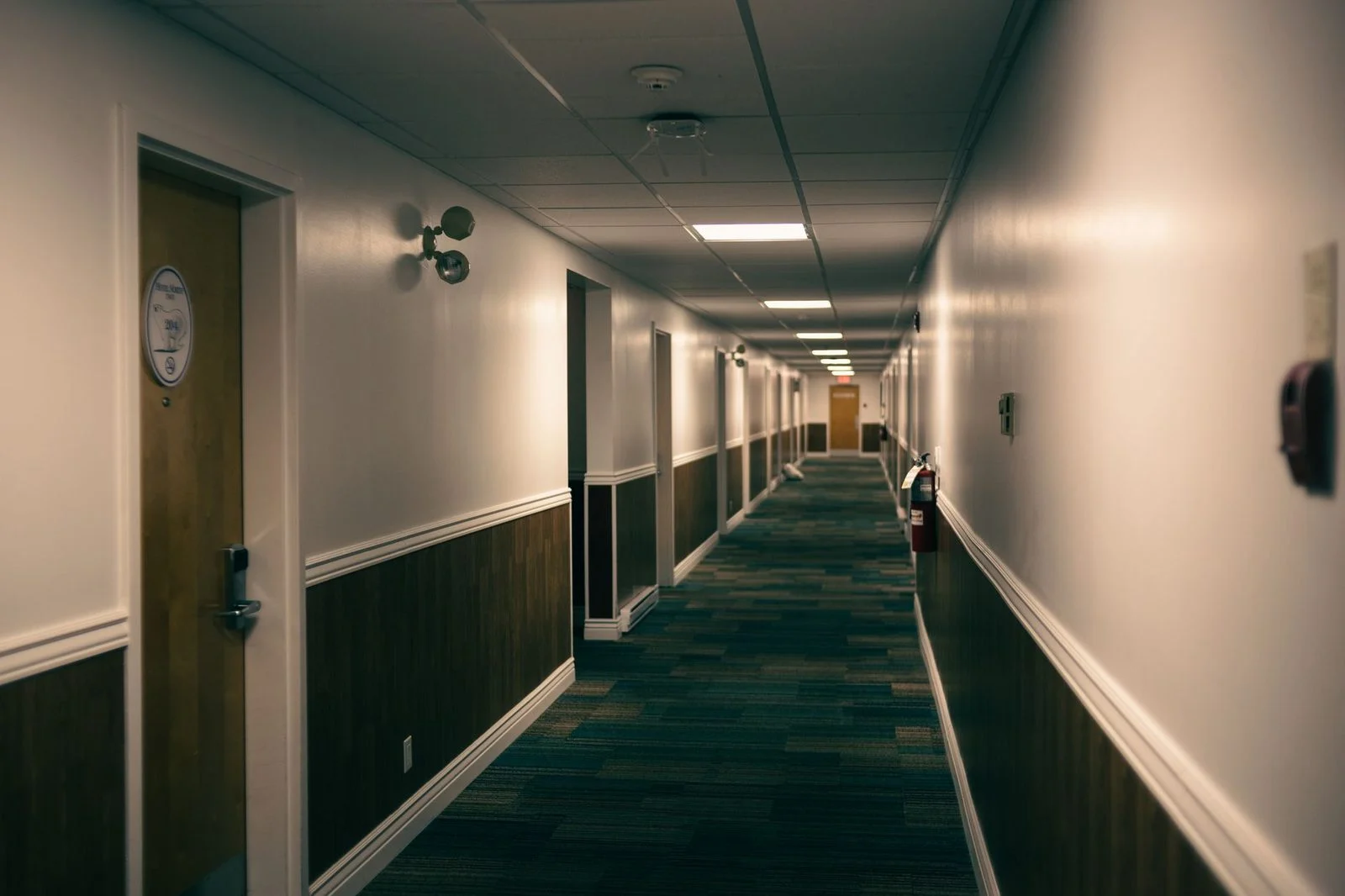
Yes, lighting, locks, cameras, patrols, and security staff are often examined as the owner’s response to known or knowable risks. These measures are the owner’s answer to the risk.
The question is not whether any security existed. The question is whether the measures were reasonable given the risks the owner knew or should have known about.
Small facts can matter. A burned-out light near a stairwell, a broken lock on a gate, or a camera that was not working can all become evidence. So can an unanswered complaint about a dark lot, or a late shift with too few staff. These facts show what the owner did with the information it had.
A measure that was in place but poorly kept can still be examined. A camera that was not recording, or a patrol that was scheduled but not done, may still show how the risk was handled. Records of what was in place, and when, can help tell that story.
Not sure what your next step is?
Talk it through with our team — the first consultation is free, confidential, and carries no obligation.
What Might a Fact Pattern Look Like in Practice?
A hypothetical apartment complex parking lot in New Mexico shows how these facts fit together. This is an illustration, not a prediction of how any case would turn out.
Imagine a lot with several car break-ins and two reported assaults over the prior year. A light near the stairwell does not work. No patrol is scheduled after dark.
Each fact connects to foreseeability. The prior incidents suggest a risk the owner had reason to anticipate. The light and the missing patrol are the kinds of measures a court may examine against that risk. The same facts can look different depending on the reports, dates, and details of each incident.
Fault can also be shared. Under UJI 13-2219, when the negligence of more than one person may have caused the damage, the jury compares each person’s negligence and assigns percentages. Under UJI 13-1320, the landowner’s failure to protect visitors may be compared with the third party’s conduct.
What Varies From Case to Case, and What Should You Do Next?
Every case turns on its own facts, so results vary. Past results do not predict a similar outcome in another matter.
Early evidence can matter. Incident reports, photos of conditions, and dates of prior complaints can help show what the property looked like before the attack. Statements made to an insurer after an incident are worth talking through first. For more on that, see recorded statements after an assault at a business.
If you were hurt in a lot, apartment complex, or business where crime had happened before, you may have a claim. Our team can talk through what happened and what it may mean for you. The first consultation is free, confidential, and carries no obligation to continue. You can reach El Gringo Law here.
The responsible lawyer for this page is Josh Wood, who is licensed in New Mexico and Arizona. Contact information is available at elgringolaw.com.
Does foreseeable mean the owner predicted the exact attack?
No. Foreseeable means the owner had reason to expect that a third person might injure a visitor on the property, and the amount of care the owner must use increases as that risk increases.
Can a property owner be liable for a crime by a stranger?
Under UJI 13-1320, a landowner must use ordinary care against harm from the foreseeable conduct of a third party, including criminal conduct.
Do past crimes on a property make a new assault foreseeable?
Prior crimes can help show a risk was reasonably foreseeable. How similar and how recent those crimes are can affect how much weight they get.
Does my own fault stop a claim in New Mexico?
No. Under UJI 13-2219, fault is compared and percentages are assigned, so your share of fault can reduce what you recover.
Why Talk With El Gringo Law
Free first consultation
Your first consultation is free, confidential, and carries no obligation to continue.
Focused on injury cases
The firm focuses on car accidents, premises liability, negligent security, and other serious injury matters.
Reach us your way
Call, start a chat, or submit a contact form. You choose how you want to begin the conversation.
Serving communities across New Mexico
The firm works with clients in Santa Fe, Rio Rancho, Las Cruces, Taos, Farmington, Bernalillo County, and Sandoval County.
Keep Your Records
If you were hurt in an attack or another crime on a property, write down what you remember while it is fresh. Save photos, texts, incident reports, medical records, and the names and contact details of anyone who saw what happened.
Common Questions About Negligent Security
What makes a crime 'foreseeable'?
Foreseeability looks at whether the owner had reason to expect that a third person might harm someone on the property. It does not require the owner to have predicted the exact attack.
Who can be responsible?
Depending on the facts, responsibility may involve the property owner, a manager, or a security contractor. Each situation depends on the property, the prior incidents, and the security measures in place.
What evidence matters?
Prior crime reports, lighting and lock conditions, security staffing, and complaints from tenants or visitors can all help show what the owner knew or should have known.
How do I start?
Reach out for a free first consultation. The firm will listen to what happened, explain the options that may apply, and answer your questions with no obligation.