Negligent Security · New Mexico
Hurt Somewhere That Should Have Been Safer? Know What You Must Prove
A plain-language guide to the questions a New Mexico negligent security claim turns on, and how our team can help you sort out your own situation.
By Josh Wood · Published November 12, 2026
If someone you care about was sexually assaulted on someone else’s property, you may be asking whether the owner can be held responsible too. In New Mexico, a negligent security claim generally requires proof of a duty, a breach of that duty, a cause linking the breach to the harm, and damages.
This guide walks through each of those parts in plain terms. For a broader look at these cases, read our sexual assault claims in New Mexico overview.
What Negligent Security Means When a Sexual Assault Happens on Someone Else’s Property
Negligent security is a claim against a property owner for failing to protect people from foreseeable crime. The attacker’s crime and the owner’s conduct are two separate questions. A claim looks at what the owner did, and did not do, before and during the attack.
New Mexico’s pattern instruction says a landowner must use ordinary care to protect a visitor from harm caused by a third party’s foreseeable conduct. That conduct can be criminal. UJI 13-1320 NMRA states the rule in those terms.
So a criminal attacker does not automatically end the discussion. The owner’s own failure to protect people can still be examined.
If someone you care about was assaulted on another person's property, you don't have to sort out these questions alone. Our team can talk with you about what happened and what it may mean. Talk it through with our team — the first consultation is free, confidential, and carries no obligation.
The Duty: What a Property Owner Must Do
A property owner owes a duty to keep the premises safe for visitors. UJI 13-1309 NMRA uses that wording. The duty is measured by ordinary care.
Ordinary care means the care a reasonably prudent person would use in the same situation. UJI 13-1603 NMRA explains that the amount of care grows as the danger that should reasonably be foreseen grows. It also says the court looks at all the surrounding circumstances.
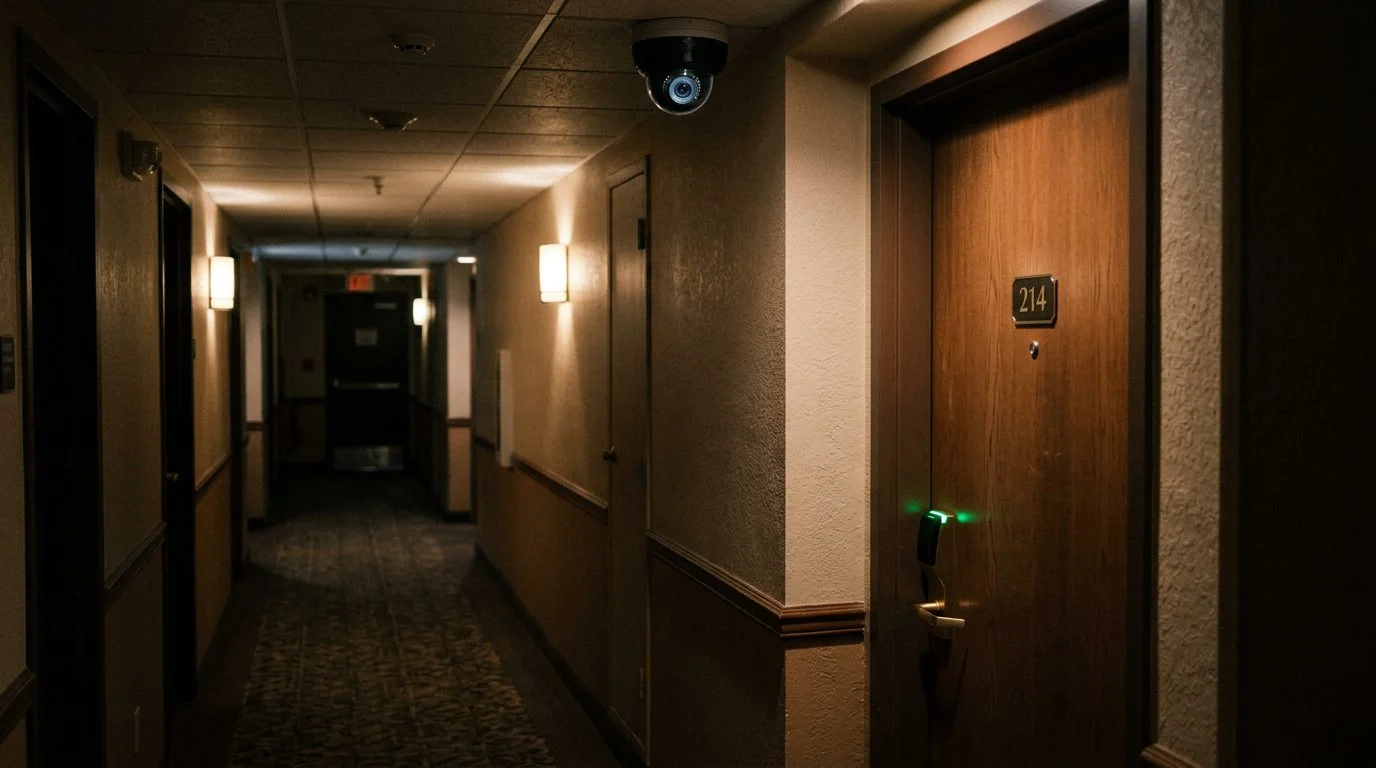
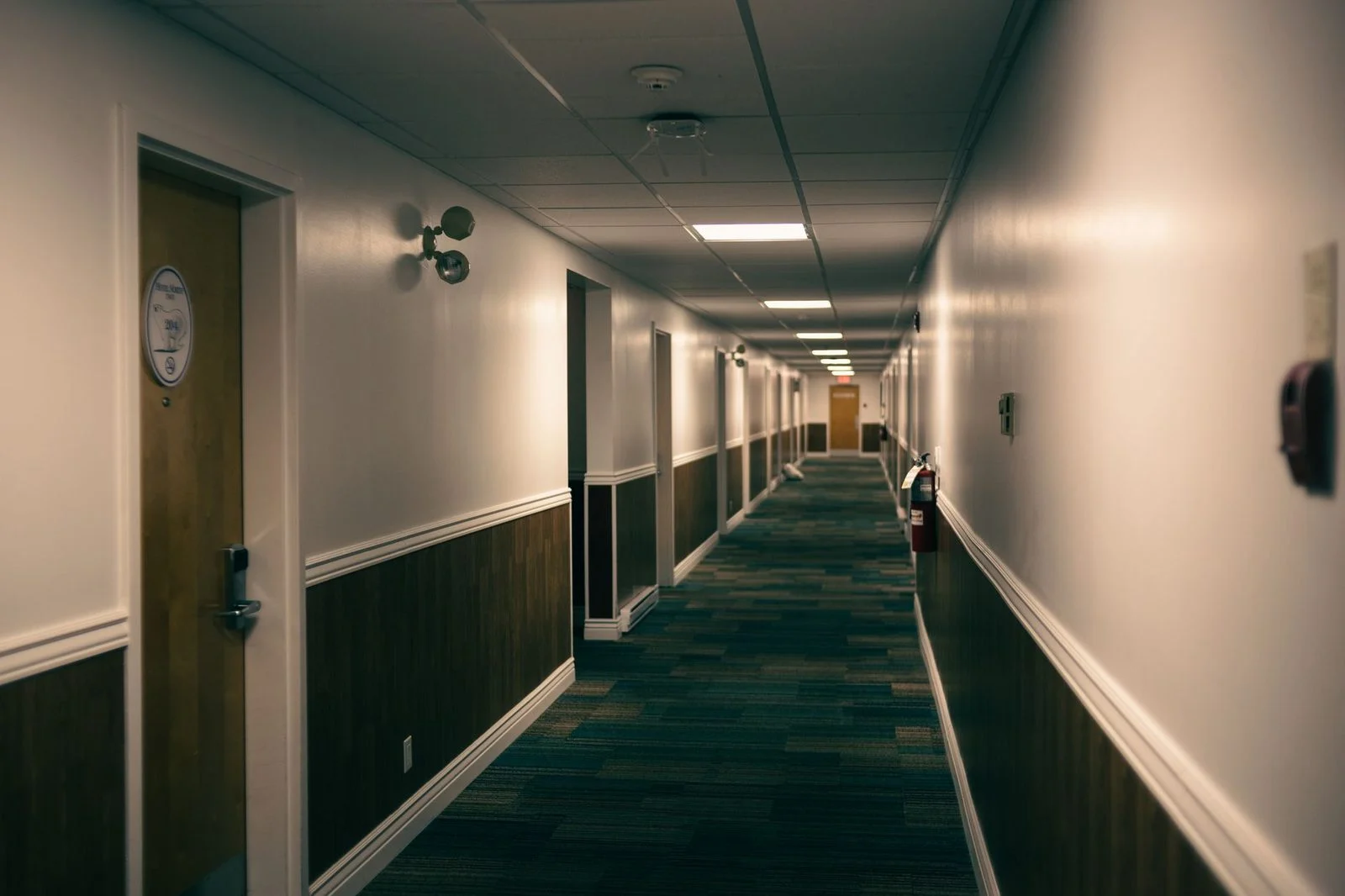
For a negligent security claim, the type of property matters. So do its layout and how people use it. A dark parking garage, an apartment complex with many entrances, and a hotel hallway each raise different questions about what reasonable protection looks like.
Foreseeability: Was the Attack a Risk the Owner Should Have Expected?
Foreseeability asks whether a crime like this was a risk the owner should have seen coming. It is often the hardest part to prove. Under UJI 13-1320, the duty covers third-party conduct that is foreseeable, so this question sits at the center of the claim.
Evidence that can bear on foreseeability includes:
- earlier assaults or similar crimes on the property
- resident or guest complaints about the same problem
- police call history for the address
- warnings from tenants, staff, or security contractors
- known broken locks, dark areas, or unsecured entrances
Timing and similarity matter. Earlier incidents that closely resemble the attack, and happened on the same property, can carry more weight than crime in the wider area. Public data can give background. Background data is not proof about one property, though.
A lack of prior incidents does not end the analysis. Other known conditions at the property can also bear on foreseeability.
Breach: Showing the Security Measures Fell Short
Breach asks whether the owner’s security was reasonable for the risks it knew about or should have known about. The question is not whether the property had any security at all. Under UJI 13-1603, the care required rises with the danger that should be foreseen.
Security features that are often examined include:
- lighting in parking areas, hallways, and entrances
- working locks, gates, and access controls
- cameras and monitoring
- security staff or patrols
- how quickly known hazards were repaired
Records often show what was in place. Work orders, security contracts, written policies, incident logs, and maintenance requests can show what the owner knew and how it responded. A gate reported broken several times and never fixed tells a different story than one repaired the day it was reported.
For more on how owners and responsible parties are identified in parking lot cases, see our parking lot attack lawsuit guide.
Causation: Linking the Security Failure to the Assault
Causation asks whether the security failure helped bring about the assault. UJI 13-305 NMRA says an act or omission is a cause if it contributes to bringing about the injury and the injury would not have occurred without it. It need not be the only explanation for the injury.
The pattern instruction adds that the failure must be “reasonably connected as a significant link to the injury.” The use notes also say the 2004 amendments to this instruction eliminated the word “proximate.”
New Mexico’s negligence framework requires that a breach be both a proximate cause and a cause in fact of the plaintiff’s damages, as the Herrera v. Quality Pontiac decision explains. Proof often comes from police reports, surveillance footage, witness accounts, and the physical condition of the location. The key question is whether a working lock, a lit path, or a staffed entrance would have prevented the attack or reduced the chance of it.
What a Claim Can Cover: Damages After a Sexual Assault
A claim may seek money for the harm the assault caused.
Documentation supports each category. Medical records, counseling records, treatment plans, and pay records help show what was lost. Written notes of missed work and out-of-pocket costs also help.
Family members may have their own claims. Under Thompson v. City of Albuquerque, loss of consortium damages arise when someone in a sufficiently close relationship to the claimant is wrongfully injured or killed. Those damages belong to the claimant, not to the injured person or the estate.
What a case may be worth depends on its facts and its evidence. No two claims look the same.
Not sure what your next step is?
Talk it through with our team — the first consultation is free, confidential, and carries no obligation.
Comparative Fault and Other Complications
New Mexico reduces damages by the injured person’s own share of fault. Under UJI 13-2218 NMRA, when the plaintiff and defendant share fault in a case with no apportionment of negligence among defendants or non-parties, the plaintiff’s total damages are reduced by the percentage of the plaintiff’s own negligence. New Mexico adopted comparative negligence in Scott v. Rizzo.
Several parties can be involved. An owner, a management company, and a security contractor may each share responsibility. Under NMSA 1978, § 41-3A-1, a defendant who shows another person’s fault was a proximate cause is liable only for its share of the fault. Joint and several liability still applies in listed situations, including for persons who acted with the intention of inflicting injury.
Defendants often argue that the owner had no notice of the danger, that the attacker was an unforeseeable stranger, or that someone else was responsible. Each argument turns back to the same evidence: what the owner knew, what it did, and how the security failure connects to the assault.
Evidence That Helps Show Each Element
Records made close to the time of the assault can matter most. Useful items include:
- police and incident reports
- written complaints to management
- leases, guest agreements, and security contracts
- surveillance footage, and requests to preserve it
- photographs of the location
- names and contact details of witnesses
Medical records created soon after the assault help document injuries and their timing. A personal timeline, written while memory is fresh, can help organize events. It works best alongside the records, not in place of them.
Preserving evidence matters. New Mexico recognizes a claim for intentional spoliation of evidence. Keep the documents you have, and avoid altering or discarding anything connected to the incident.
Talk With El Gringo Law About What Happened
You may be reading this after a sexual assault you lived through, or while you worry about someone you love. The decisions ahead can feel heavy and unclear, and you don’t need every answer today.
What must I prove in a negligent security sexual assault claim in New Mexico?
Generally, you must show a duty, a breach of that duty, that the breach caused your harm, and that you suffered damages. Herrera v. Quality Pontiac states these general elements.
Does partial fault stop a claim?
Partial fault generally reduces the damages you can recover under UJI 13-2218 NMRA. It is a reduction, not a simple bar.
Can an owner be responsible when a stranger committed the crime?
Yes, the owner’s duty can cover foreseeable criminal conduct by a third party. The owner’s own failures remain part of the question under UJI 13-1320 NMRA.
If you want to understand whether the owner of the place where this happened may share responsibility, Josh Wood is the lawyer responsible for this page’s content. You can reach El Gringo Law through the contact page or at elgringolaw.com. The initial consultation is free, confidential, and comes with no obligation to continue.
How to Start Your Conversation With Us
Call the firm
Speak with our team directly about what happened and where it happened.
Submit the contact form
Share the basics on your own schedule and we will follow up with you.
Start a chat
Ask your questions in writing and get answers about the next steps.
Free first consultation
Your initial consultation is free, confidential, and carries no obligation to continue.
Start Writing Things Down Now
While the details are fresh, note the date, time, and location, who was present, what you saw and heard, and any photos or messages you have. Keep copies of medical bills, reports, and receipts. Bring these notes to your consultation.
What to Bring to Your Consultation
What happened
A short description of the incident, including where it occurred and how it unfolded.
Security at the property
Anything you noticed about lighting, locks, gates, guards, cameras, or prior incidents at the location.
Your injuries and treatment
Medical records, provider names, and any follow-up care you have received or been advised to get.
Witnesses and records
Names of anyone who saw the incident, police or incident reports, and any photos or video.