Negligent Security · New Mexico
What Is a Negligent Security Claim Worth in New Mexico?
Learn which losses are typically weighed, what evidence shapes the picture, and how a free, confidential conversation with our team can help you understand your situation.
By Josh Wood · Published November 9, 2026
If you were hurt in an attack on someone else’s property, or lost a family member that way, you probably want to know what the claim could be worth. No single number answers that question. A negligent security settlement reflects the injuries, losses, and evidence in each case.
Several factors shape the value of a negligent security settlement in New Mexico. They include medical care, lost income, how serious and lasting the injury is, prior crimes at the property, shared fault, and case costs. The sections below explain each one in plain terms.
Why No Single Number Answers the Question
No single figure fits every negligent security claim, because each claim rests on its own facts. A negligent security claim says a property owner or manager failed to take reasonable steps to protect people from foreseeable criminal harm.
New Mexico’s jury instructions describe the duty this way. A landowner must use ordinary care to protect visitors from harm caused by a third party’s foreseeable conduct, including criminal conduct (UJI 13-1320 on third-party conduct).
Every case is different, and past results do not predict a similar outcome.
A claim’s value comes from several parts. Those parts are the bills and losses already incurred, the losses still ahead, the lasting effects of the injury, what the owner knew about risks at the property, how fault is divided, and what the case costs to pursue. For a broader overview of these claims, read our negligent security guide for New Mexico.
If you were hurt in an attack on someone else's property, or lost a loved one that way, our team welcomes a conversation about what your situation may mean for a claim. Talk it through with our team — the first consultation is free, confidential, and carries no obligation.

Medical Expenses and Future Care Costs
Past medical bills are usually the first damages a claim documents. Emergency care, surgery, hospital stays, rehabilitation, and medication are economic damages. Economic damages are money losses you can document with bills and receipts.
Future care works the same way, but it takes more proof. Ongoing treatment, therapy, and assistive equipment can count when a doctor’s records support them. Treatment plans and cost estimates from your providers help show what care you will likely need.
Lifetime care matters most in catastrophic injury cases. When an injury needs care for decades, future costs can make up a large part of the claim.
Money paid in the future is worth less today. New Mexico’s use notes for UJI 13-1810 concern the reasonable value of a spouse’s services, and they state that when the bracketed portion of that instruction is used, the jury should also be instructed on future damages requiring discount to present cash value (UJI 13-1810 use notes).
Keep every bill, receipt, prescription, and appointment note. Gaps in treatment can make it harder to connect a later problem to the attack.
Lost Wages and Lost Capacity to Earn
Lost wages cover income you already lost because of the injury. Lost earning capacity covers a reduced ability to earn that may continue into the future. People often mix these up, but they are separate parts of a claim.
Lost wages are documented with pay stubs, tax records, employer letters, and time-off records. Missed shifts, unpaid leave, and a lost job all count. If you moved to a lighter role or cut to fewer hours, keep that record too.
Lost earning capacity is harder to prove. A claim may account for it when an injury limits how long or how well you can work over the long term. Medical restrictions from your doctor and your work history help show that limit.
A worker with a physical job and a lasting restriction presents a very different picture than someone whose injury heals in a few weeks. The value turns on work history, earnings before the injury, and what the medical records say about restrictions.
Pain and Suffering and Loss of Consortium
Pain and suffering is a non-economic damage. It covers physical pain, emotional distress, and loss of enjoyment of life. Non-economic damages have no receipt attached, so proof comes from medical records, your own account, and people who know you well.
Severity, duration, and lasting effects shape how these damages are presented. A short injury with a full recovery looks different from a lasting injury that changes sleep, daily routines, or the ability to care for children. A jury weighs the facts. No formula sets the amount.
Loss of consortium is a separate claim. A spouse or close family member may bring it. The claimant must show a mutually dependent relationship with the injured person, meaning both relied on the relationship and cannot enjoy life the same way after the injury (UJI 13-1810A).
Juries may consider how long the relationship lasted, whether the two shared a household, and how they relied on each other day to day. Under Thompson v. City of Albuquerque, these damages belong to the claimant, not to the injured person or the estate.
Prior Crimes and Foreseeability in Negligent Security Claims
Prior crimes on or near a property can show that the harm was foreseeable. The core question is whether the owner had reason to foresee that a third person would injure a visitor, and the greater that risk, the more care the owner must use. Earlier similar incidents are a common way to answer that question.
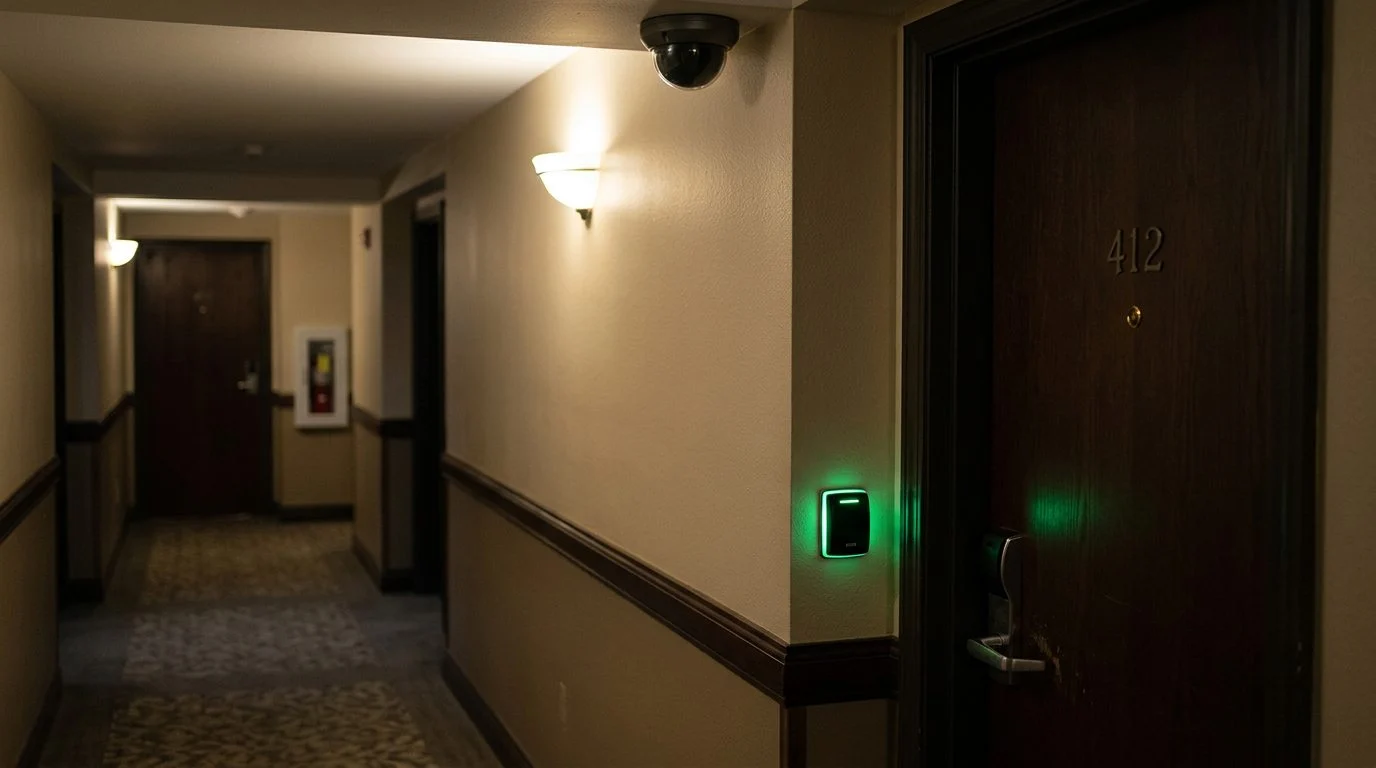
Security measures are part of the picture too. Lighting, locks, cameras, staffing, gate and access control, and regular patrols can all matter. The question is what the owner actually did, and whether it was reasonable for that property.
Evidence comes from several places. Police reports, incident logs, maintenance requests, security contracts, and records of repairs to locks or lights are common examples. A tenant’s complaint about a broken gate can be important evidence too.
Causation matters as well. The security failure must be a proximate cause of the injury. New Mexico describes a proximate cause as one that, in a natural and continuous sequence, produces the injury. It need not be the only cause (Herrera v. Quality Pontiac).
Severity and Permanence of Catastrophic Injuries
Permanent injuries often bring long-term care needs that a claim must document. Spinal cord injuries, amputations, and severe burns are examples. Their value often rests on how long care will last, what equipment is needed, and how daily life changes.
Permanence is shown through medical records, treating doctors’ opinions, and life care planning. A life care plan lays out future medical and daily care needs in a written form that can be priced and reviewed.
The same injury can affect two people very differently. Age, work, family roles, and prior health all shape the picture. No injury type carries a set value, so each claim is measured on its own medical record.
Not sure what your next step is?
Talk it through with our team — the first consultation is free, confidential, and carries no obligation.
Comparative Fault and How It Can Reduce a Recovery
New Mexico uses pure comparative negligence. A person’s share of fault reduces the recovery, but it does not bar the claim. The state’s highest court adopted pure comparative negligence in Scott v. Rizzo: an injured person’s own share of fault reduces the damages by that percentage but never bars recovery, even when that person is mostly at fault.
In a negligent security case, the defense may argue that the injured person contributed to the harm. Examples include being out late, leaving a door open, or ignoring a posted warning. Those points are weighed against the evidence on each side.
The attacker’s share matters too. Joint and several liability still applies in listed cases: to persons who acted with the intention of inflicting injury or damage; to persons whose relationship to each other would make one person vicariously liable for the acts of the other, but only to that portion of the total liability attributed to those persons; to persons strictly liable for the manufacture and sale of a defective product, but only to that portion of the total liability attributed to those persons; and to situations not covered by these and having a sound basis in public policy (NMSA 1978, § 41-3A-1).
The landowner instruction also limits how far fault can shift. It allows a jury to weigh an owner’s failure to protect against foreseeable harm. It also means an owner’s proportionate fault is not necessarily reduced by the increasingly wrongful conduct of a third person who caused the injury (UJI 13-1320 commentary). Jurors assign percentages, and each share is applied to total damages (UJI 13-2219).
Wrongful Death Claims in Negligent Security Cases
When a security failure causes a death, the family may bring a wrongful death claim. Depending on the facts, that claim may stand alone or sit alongside other claims. New Mexico law lets a person who would have been liable had death not occurred be sued for damages anyway (NMSA 1978, § 41-2-1).
The claim is brought by the personal representative of the deceased person. The jury may consider the financial harm the death caused to the people entitled to the judgment, along with the circumstances of the wrongful act (NMSA 1978, § 41-2-3).
Judgment proceeds are not liable for the decedent’s debts, provided the decedent has left a spouse, child, father, mother, brother, sister or child or children of the deceased child, as defined in the New Mexico Probate Code.
Timing is strict in one way. A wrongful death action generally must be brought within three years, and the clock starts on the date of death (NMSA 1978, § 41-2-2).
Case Costs and How the Fee Works
Case costs are separate from attorney time. Court filing fees, records fees, medical reviews, and deposition costs can add up in a serious case. The firm may advance court costs and litigation expenses as the written agreement provides.
In the absence of a recovery, you may be responsible for court costs and the expenses of litigation. The written agreement describes what you would owe in that situation, so read it carefully before you sign.
Costs can grow in cases that involve complex medical records and long timelines. For more on how these costs work in New Mexico, see catastrophic injury lawyer costs.
Common Questions About Negligent Security Settlement Value
Readers usually ask a few questions about this topic. The short answers follow.
Can a settlement include future medical care?
Yes, future care can be part of a claim when medical records support it. Ongoing treatment and assistive equipment are common examples.
Does a prior crime at the property matter?
It can. Prior similar crimes can help show that the harm was foreseeable, which is central to a negligent security claim.
Can my own fault reduce what I recover?
Yes, but it does not bar recovery in New Mexico. Your share of fault lowers the amount you can recover.
How long do I have to file?
For an injury to the person, a claim generally must be brought within three years (NMSA 1978, § 37-1-8). Claims against a government entity follow different deadlines and notice rules, so timing can vary.
Talking Through Your Situation With El Gringo Law
Picture someone attacked in an apartment complex parking garage, a hotel hallway, or a bar lot where the lighting, gates, or staffing may have fallen short. That person now faces medical bills, time away from work, and a hard decision about whether to pursue a claim now.
If that is your situation, a conversation is a good next step. El Gringo Law offers a free initial consultation that is confidential and carries no obligation to continue. You can contact the firm online or visit elgringolaw.com.
Josh Wood is the lawyer responsible for this page’s content. He is licensed in New Mexico and Arizona. People in Santa Fe, Rio Rancho, Las Cruces, and elsewhere in New Mexico can reach the firm through the same contact page.
What often shapes the value of a claim
Medical records and bills
Records of treatment, diagnoses and billed costs help show the physical harm that occurred and what it has cost so far.
Ongoing and future care
Continuing treatment, therapy and assistive equipment can be part of the picture when medical records support them.
Lost income and daily life
Missed work, reduced earning ability and the effect on everyday activities are all part of how the harm is understood.
Don't settle on a number too early
Every case is different, and past results do not predict a similar outcome. A value can only be discussed meaningfully once the facts, records and injuries are reviewed.
Steps to take while your case is being reviewed
Keep your records
Save medical reports, bills, pharmacy receipts and letters from providers in one place.
Write down what happened
Note the date, time, location and what you remember about the attack, including any warnings you saw or heard about before it.
Track your daily limits
Keep a simple journal of pain, appointments, missed work and tasks you can no longer do on your own.
Talk with our team
Our team can explain the process, answer your questions and help you decide on next steps at no cost to start.