Negligent Security | Santa Fe, Rio Rancho, Las Cruces, Taos, Farmington and surrounding New Mexico communities
Hurt Where You Expected to Be Safe?
Our team at El Gringo Law can help you understand what happened and what your options look like.
By Josh Wood · Published November 11, 2026
Rio Rancho Negligent Security Injury Lawyer | El Gringo Law
If you were hurt in an assault or robbery on someone else’s property, you may wonder whether the owner had to keep you safe. In New Mexico, a property owner must use ordinary care to protect visitors from harm caused by a third person’s foreseeable conduct, including crime. This page explains how a negligent security injury claim works and what it usually requires. You’ll also see how our team can help you weigh your options.
If an assault on someone else's property left you or someone you love hurt, you may have a claim worth reviewing. Our team is ready to talk it through with you. Talk it through with our team — the first consultation is free, confidential, and carries no obligation.
What a Negligent Security Claim Is and Who It Helps
A negligent security claim says a property owner or manager failed to use reasonable care to protect people from a foreseeable crime. The attacker’s conduct matters, but the claim focuses on that failure to protect. UJI 13-1309 says an owner or occupant owes a visitor a duty to use ordinary care to keep the premises safe for that visitor.
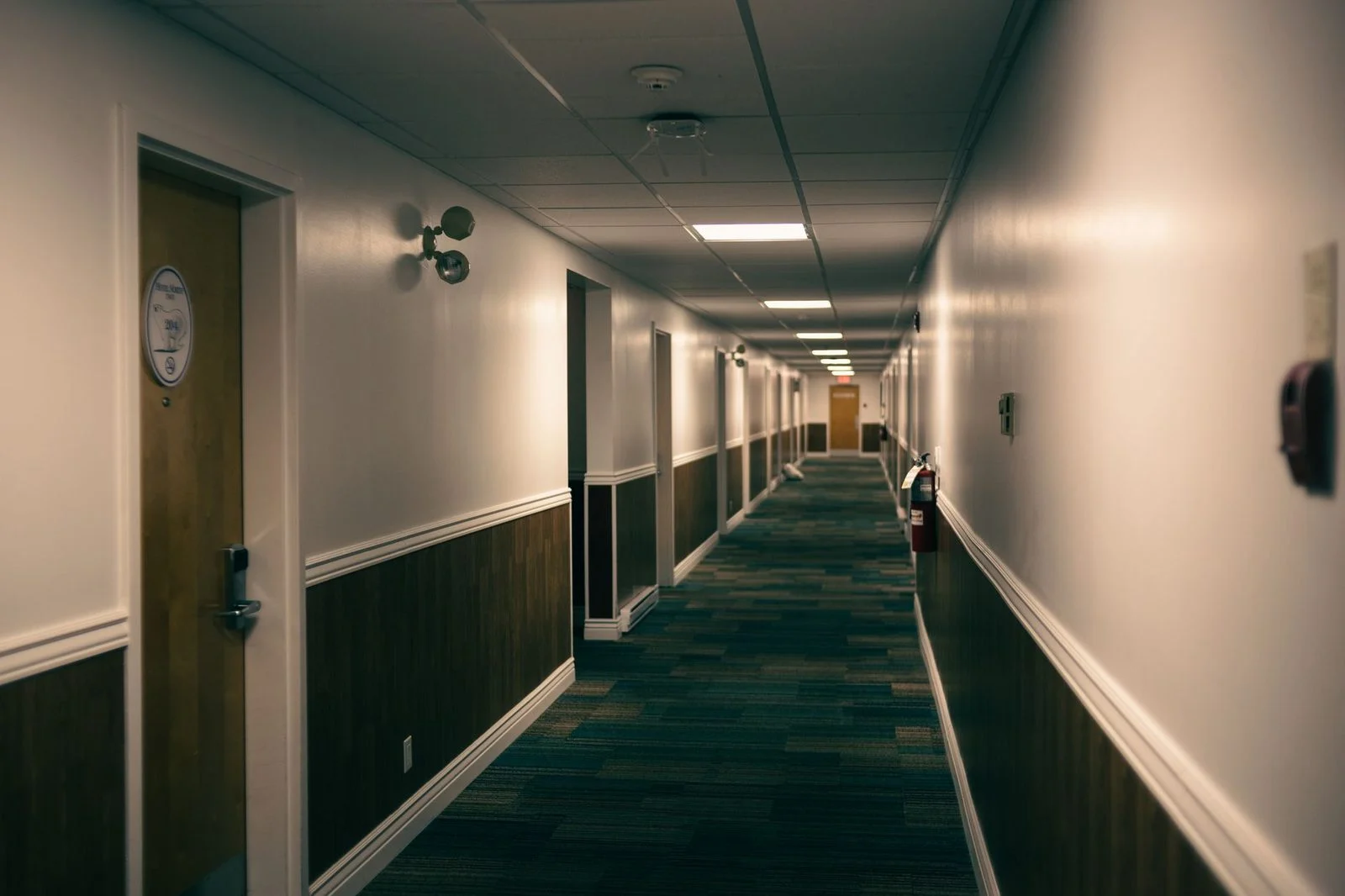
Injured people can include guests, customers, employees, and other visitors. Families can also bring a claim after a fatal attack. Common properties include apartment complexes, hotels and motels, parking lots and garages, retail stores, bars and restaurants, and office buildings.
These cases can arise in Rio Rancho, Sandoval County, Bernalillo County, and other parts of New Mexico.
Situations That Often Lead to These Claims
Most of these cases involve a crime that a basic safety step might have reduced. Common examples include:
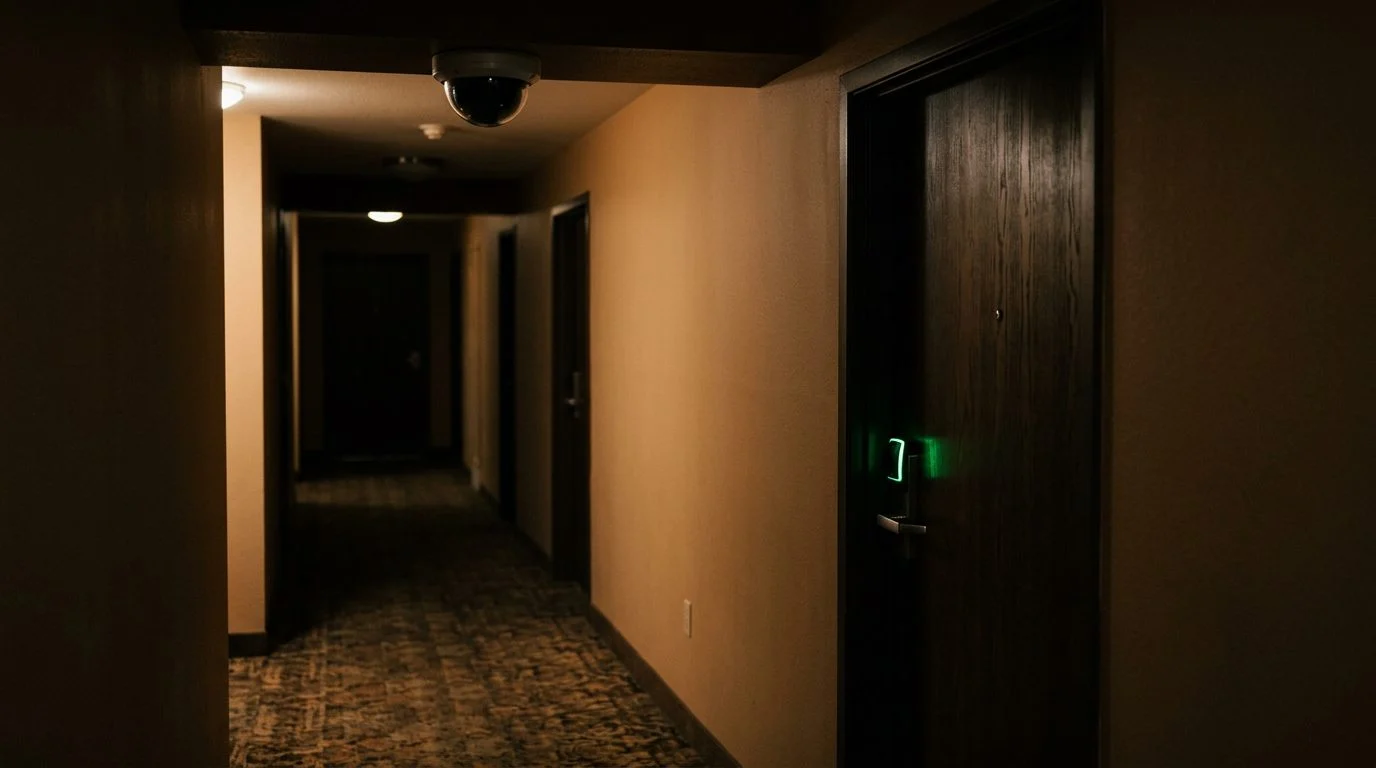
- An assault or robbery in a dark or poorly watched parking lot, where lights, gates, cameras, or patrols were missing or broken.
- An attack in an apartment building after residents reported broken locks, propped doors, or open entry points.
- A violent incident at a hotel or motel with earlier crimes on the property.
- An assault at a bar or store where staff ignored known threats or let crowds grow unchecked.
- A sexual assault on a property where the owner knew, or should have known, about the risk and did not act.
Prior complaints, repair requests, and police calls can show what an owner knew before an attack. Those records often shape the claim, so they are worth gathering early.
Your own facts decide whether a claim fits. Bring them to a consultation so the details can be reviewed.
What a Negligent Security Claim Generally Has to Show
A negligent security claim generally needs proof of duty, breach, causation, and damages. Herrera v. Quality Pontiac describes a negligence claim this way: a duty, a breach of that duty, and a breach that is a proximate cause and cause in fact of the damages.
- Duty. The owner owed the injured person ordinary care as a visitor.
- Foreseeability and breach. The harm had to be foreseeable, and the owner failed to take reasonable steps such as lighting, locks, cameras, staffing, or screening. The UJI 13-1320 commentary says a landowner’s duty to protect visitors arises from a foreseeable risk that a third person will injure a visitor, and the care required increases as the risk of danger increases.
- Causation. The missing security must be a significant link to the harm.
- Damages. Medical bills, lost income, and pain and suffering are common losses.
Fault can be shared. The UJI commentary says the owner’s failure can be compared with the attacker’s conduct. The rule is meant to keep an owner from shifting a disproportionate share of responsibility to the attacker.
When more than one party is at fault, NMSA 1978 § 41-3A-1 abolishes joint and several liability except as otherwise provided in the statute, so each defendant is generally liable only for its own share.
Injuries and Losses This Practice Covers
This practice covers serious physical injuries and wrongful death caused by a security failure. Key examples include:
- Catastrophic injuries that need long-term medical care, rehabilitation, or equipment.
- Spinal cord injuries that can affect movement, bladder and bowel function, and daily independence.
- Amputations, along with the surgery, prosthetic fitting, and rehabilitation that follow.
- Burn injuries from fire or an attack where safety or security failures are at issue.
- Sexual assault claims against a property owner or manager whose security failures allowed the attack.
- Wrongful death claims after a fatal assault.
For a death, NMSA 1978 § 41-2-1 allows an action against a person who would have been liable had the death not occurred. The personal representative brings the case. Under NMSA 1978 § 41-2-3, damages can reflect the financial loss to surviving family members entitled to the judgment.
Medical bills and lost income should be documented from the start.
What Happens After You Contact El Gringo Law
After first contact, the firm reviews the facts, gathers evidence, and then works on the claim. The typical steps are:
- First contact. Reach out by phone, through the contact form, or by chat. Describe what happened and when.
- Initial consultation. The firm reviews the incident, the property, and your injuries. The initial consultation is free, confidential, and comes with no obligation to continue.
- Evidence requests. Early requests can cover incident reports, surveillance footage, security logs, prior complaints, and lease or management records.
- Medical records. The firm coordinates the records needed to show your treatment and costs.
- Investigation. The firm reviews the property’s security history and who owns and manages it.
- Resolution. The firm negotiates with responsible parties and insurers, or files suit if needed, and explains each stage to you.
Timing matters. NMSA 1978 § 37-1-8 sets three years for injury to a person. Property owned by a government body can follow different notice rules, so tell the firm who owns the property at the start.
Not sure what your next step is?
Talk it through with our team — the first consultation is free, confidential, and carries no obligation.
Why Work With El Gringo Law on Your Negligent Security Matter
El Gringo Law handles personal injury matters, including negligent security claims. Josh Wood is the lawyer responsible for this page’s content.
- The firm’s practice areas include car accidents, trucking accidents, premises liability, negligent security, wrongful death, sexual assault, catastrophic injuries, spinal cord injuries, amputations, and burn injuries.
- Josh Wood is licensed in New Mexico and Arizona.
- The firm has more than one lawyer and support staff. The firm stands behind statements its staff and marketing vendors make.
- The firm represents people in Rio Rancho, Sandoval County, Bernalillo County, Santa Fe, Las Cruces, Taos, and Farmington.
- Every case is different, and past results do not predict or ensure a similar outcome.
Questions People Ask Before Calling a Negligent Security Lawyer
Do I still have a claim if I was partly at fault?
New Mexico compares fault in cases where a visitor is injured by the acts of a third person, weighing the owner’s breach against the third person’s conduct, and where the court finds a jury question, against the visitor’s own fault, to determine the owner’s proportionate degree of fault. Under UJI 13-2218, the jury reduces the plaintiff’s total damages by the percentage of the plaintiff’s negligence, and the instruction is used only where there is no apportionment of negligence among defendants or non-parties.
Can my family file a claim after a fatal assault?
A wrongful death action is brought by the personal representative of the person who died. Under NMSA 1978 § 41-2-2, it must be brought within three years after the date of death (NMSA 1978, § 41-2-2 — three years from the date of death).
Will I have to go to court?
Some cases settle and some go to trial. The firm explains the options at each stage.
How soon should I contact a lawyer?
Footage and security logs can be lost or overwritten. Early contact helps preserve that evidence and keeps the filing deadlines in view.
If an assault on someone else’s property left you or someone you love hurt, you may have a claim worth reviewing. Reach out through our contact page and our team will talk it through with you.
How we work with you
Free, confidential first consultation
Your first consultation with El Gringo Law is free, confidential, and carries no obligation to continue.
Clear explanations
We walk you through the process in plain language so you can decide what comes next with the facts in front of you.
Focus on negligent security
Our team focuses on injuries that happen on private property when security was missing, inadequate, or ignored.
Several ways to reach us
Call the firm, send a contact form, or start a chat. You choose the option that is easiest for you.
Protect your case while you recover
Be careful about what you post online or say to others about the incident. Keep copies of everything you receive, and avoid throwing away damaged clothing, torn items, or other physical evidence until you have spoken with us.
Details that can help
Where and when
Write down the location, date, time, and the name of the business or property where the incident happened.
Witnesses
Note the names and contact information of anyone who saw what happened or spoke with you afterward.
Photos and video
Capture the scene, lighting, locks, gates, fencing, or cameras, as well as your visible injuries.
Medical records
Keep visit summaries, test results, prescriptions, and bills from every provider who treats your injuries.