Albuquerque | Spinal Cord Injury Claims
Spinal Cord Injury Evidence: What to Gather After a Crash
A practical checklist for the medical records, scene details, and daily-life notes that help show how an injury changed your life.
By Josh Wood · Published November 12, 2026
After a crash that may have hurt your spine, the papers and photos you keep now can matter later.
It is general information about New Mexico injury claims, not a prediction of any result.
Why Evidence Matters Early After a Spinal Cord Injury Crash
Evidence matters early because a spinal cord injury claim is built on records. Those records show how the crash happened, what the injury is, and what it has taken from you.
Memories fade and paperwork gets lost. Scenes change within days, and appointment details blur within weeks. A well-kept file helps you, and any lawyer you work with, see the full picture.
New Mexico uses pure comparative negligence. That means your own share of fault lowers what you can recover, but it does not bar recovery entirely (Scott v. Rizzo). Records about how the crash happened help show each person’s share.
If you're still gathering records after your crash, our team can talk through what to keep and what it may mean for your claim. Talk it through with our team — the first consultation is free, confidential, and carries no obligation.
Photos, Video, and the Scene
Take photos of the scene, the vehicles, and your injuries as soon as it is safe. Early photos capture details that change quickly, such as skid marks, debris, lighting, and road signs.
Focus on these details:
- Vehicle damage from several angles, including the inside if airbags deployed.
- Wide and close shots of the road, intersection, or stretch of Interstate 25 where the crash happened.
- Traffic signals, signs, and lane markings.
- Weather, light, and the time of day.
Write down the exact location, such as a specific Albuquerque street or intersection, along with the time.
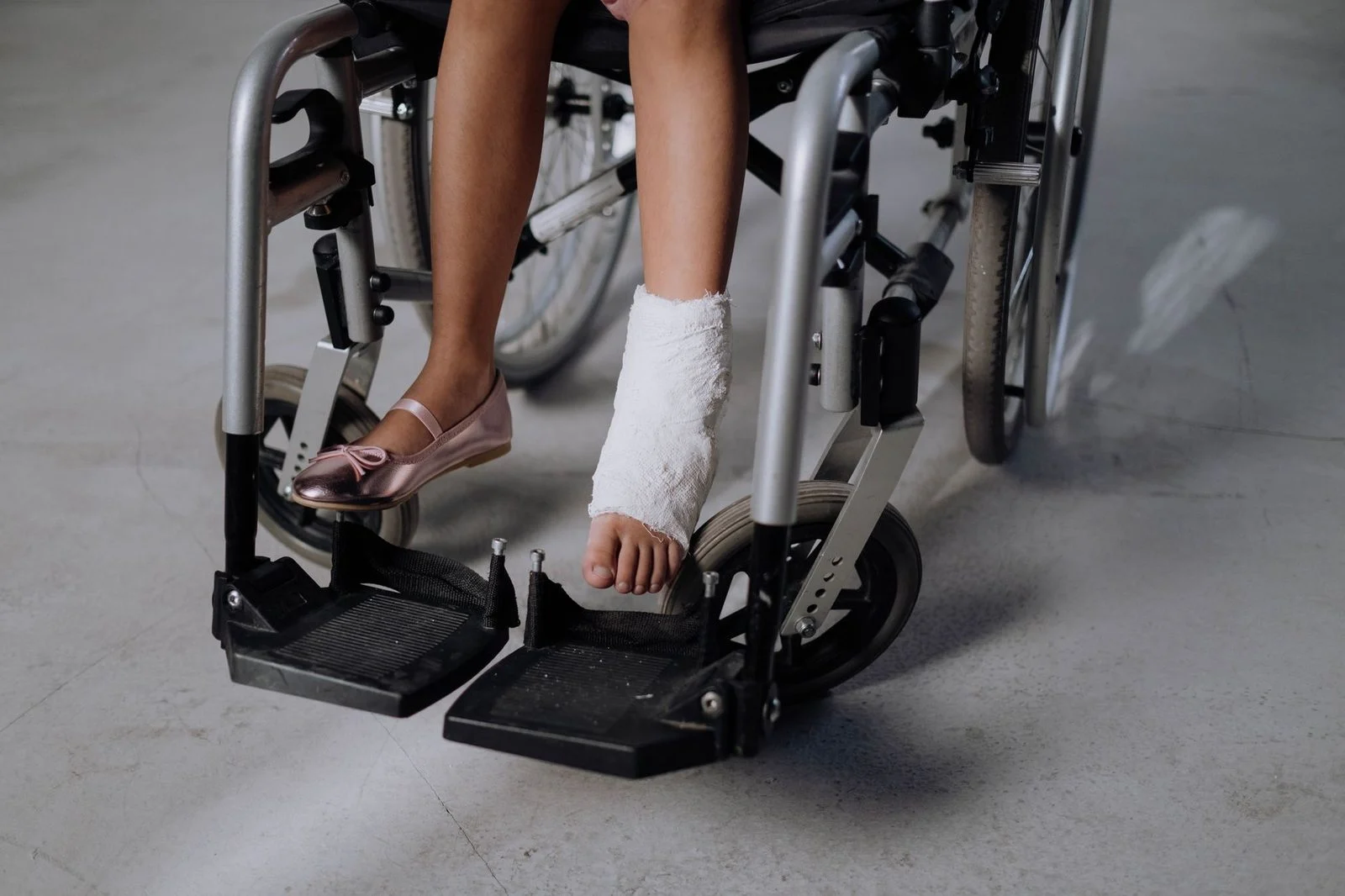
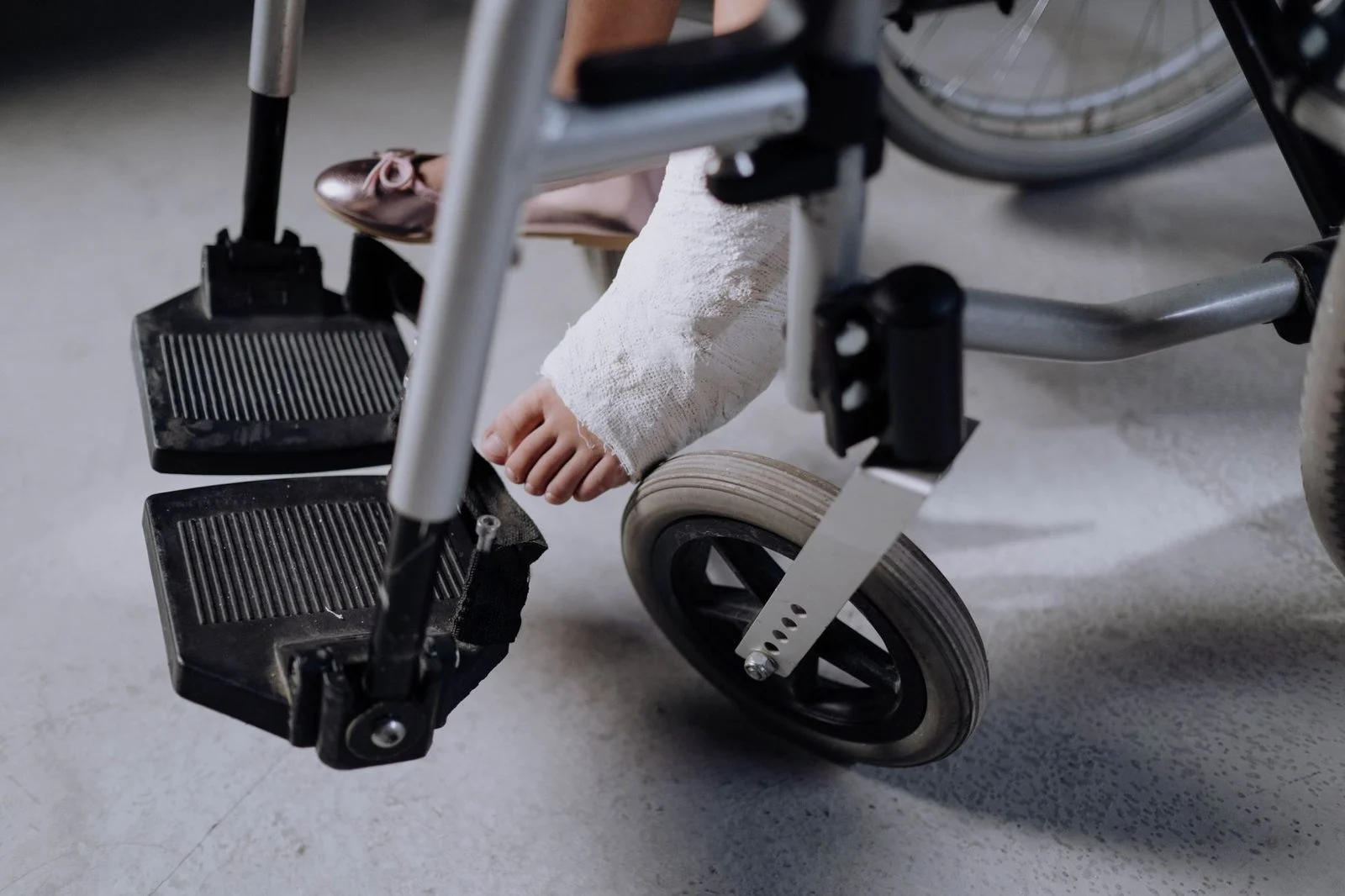
Keep photos of your injuries over time. Include braces, collars, wheelchairs, walkers, and home changes such as ramps or grab bars. Save the original files with their date information. Screenshots and cropped copies often lose that date detail.
Medical Records From the Emergency Room Through Rehab
Keep every medical record from the ambulance ride through rehab. That includes emergency room notes, discharge summaries, imaging reports, surgical notes, and therapy notes.
Medical sources describe spinal cord injuries as complete or incomplete, and by their level and effects, such as paralysis (Christopher & Dana Reeve Foundation). Ask each provider to explain your injury level and its effects in plain words. Then keep the notes.
Make a running list of providers, appointment dates, and the reason for each visit. Note any missed or rescheduled appointments and why they changed. Keep prescription and equipment receipts, plus a mileage log for trips to appointments.
Ask for copies of your records. Write down the date you asked and the date you received them.
Work Absence and Income Records
Keep pay stubs, W-2 or tax forms, and any records of hours or overtime from before the crash. These papers show what you earned before the injury.
Keep letters from your employer about leave, light duty, work restrictions, or termination. Keep a log of the time you missed and the tasks you can no longer do at work or at home. A simple dated list works well.
Keep any applications and letters for disability or leave benefits, too. Records from before and after the crash tell the story of your daily life better than memory alone.
Crash Reports, Vehicle Records, and Witnesses
Keep the crash report, its number, and every insurance claim number in one folder. New Mexico requires a driver in a crash with bodily injury, death, or total property damage of $500 or more to forward a written report to the department of transportation within five days (NMSA 1978, § 66-7-207).
Accident reports have limits on how they’re used. New Mexico generally bars using an accident report as evidence at any civil or criminal trial arising from the crash, with listed exceptions (NMSA 1978, § 66-7-213). Keep your own copies of your records too.
If a commercial truck was involved, keep records about its driver’s hours and logbooks. Federal hours-of-service and electronic logging device rules appear in 49 CFR Part 395.
Write down the names and phone numbers of witnesses. Include anyone who saw the crash or saw you before and after it. Keep repair estimates, total-loss paperwork, and any dashcam footage or vehicle data you know exists.
New Mexico also limits early contact after an injury. Within fifteen days from the date of the occurrence that caused an injury, a person whose interests are or may become adverse to an injured person who is under the care of a licensed healing-arts provider or confined to a hospital or sanitarium as a patient may not negotiate a settlement with that patient, seek a general release of liability from that patient, or obtain a statement from that patient for use in a settlement or release (NMSA 1978, § 41-1-1). Log every call with an adjuster, with the date and what was said.
Prior Back Problems and Honest Medical History
A back problem from before the crash does not have to end a claim. You do need to share it honestly with every provider. Hiding prior problems creates problems of its own.
New Mexico’s causation instruction says a cause need not be the only explanation for an injury (UJI 13-305 NMRA). Under New Mexico’s causation instruction, a cause is an act or omission that contributes to bringing about the injury and must be reasonably connected as a significant link to the injury (Herrera v. Quality Pontiac).
Keep prior records. That means imaging, therapy notes, prescriptions, and visit summaries from before the crash. Pair them with records from after the crash to show the change. Records of how you walked, worked, and cared for your home help make that comparison clear.
A life care plan may later describe future medical and daily-living needs. Its contents depend on the medical facts of each case. Learn more in our life care plan guide. For prior conditions, see our guide on preexisting back problems.
Not sure what your next step is?
Talk it through with our team — the first consultation is free, confidential, and carries no obligation.
Keeping the File Organized and Taking the Next Step
Keep one folder, paper or digital, with dated sections for medical, work, photos, insurance, and expenses. Add a daily journal of pain, numbness, mobility limits, and tasks that became harder.
Keep originals, and don’t throw anything away, even papers that seem small. Many people are still in treatment while they gather records. That is a lot to manage at once.
Common Questions
Does a prior back problem mean I can’t have a claim?
Not automatically. What matters is honest records that show what changed after the crash.
Should I keep photos on my phone?
Yes. Keep the original files with their date information, and back them up in a second place.
How long should I keep these records?
Keep them until your claim is fully resolved, and keep copies of everything you send to anyone.
If you’re still sorting through records after your crash, our team can talk with you about what to keep and what your next steps might be. Our free, confidential initial consultation comes with no obligation to continue. You can reach our team through the contact page.
For the wider picture, read our spinal cord injury claims guide for New Mexico.
This page is the responsibility of Josh Wood, licensed in New Mexico and Arizona, at El Gringo Law. Visit elgringolaw.com for contact information.
Why the evidence matters
Medical records tell the story
Hospital charts, imaging, and therapy notes show what was injured and how the injury has been treated over time.
Timing makes a difference
Records made close to the crash, and kept up to date, help create a clear timeline of symptoms and care.
The scene can be temporary
Skid marks, weather, lighting, and damaged vehicles change quickly, so early documentation matters.
Daily life is part of the picture
Notes about what you can no longer do at home, at work, and with family help show the real impact of the injury.
Do not discard anything yet
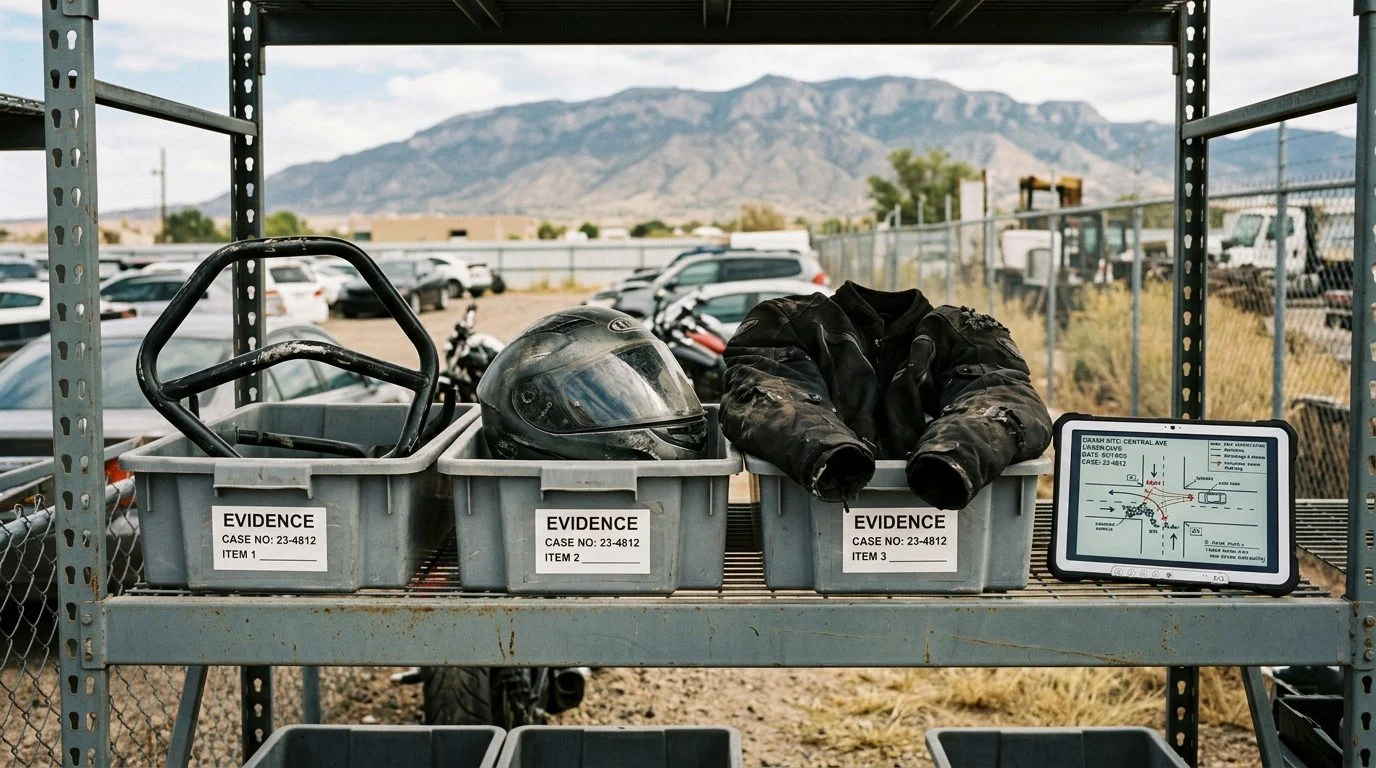
Damaged clothing, helmets, car parts, and phone data can all be important. Ask before you repair, sell, or delete anything connected to the crash.
Your evidence checklist
Medical and imaging records
Keep every discharge summary, bill, prescription list, imaging report, and therapy note. Request copies as you go instead of waiting until the end.
Scene and vehicle evidence
Photos of the scene, vehicles, road conditions, and visible injuries, plus the names and contact details of anyone who saw the crash.
Work and income records
Pay stubs, schedules, emails about missed shifts, and notes on job duties you can no longer perform or must now perform differently.
Your personal timeline
A dated journal of pain, sleep, mobility, medication, appointments, and activities you have had to give up. Write it in your own words, as soon as you can.