Rear-End Crash Spinal Cord Injuries | Albuquerque
Hurt in a Rear-End Crash? Talk With El Gringo Law Today
A spinal cord injury changes daily life, work, and family plans. Our team focuses on car accident cases for injured people in Albuquerque and Bernalillo County. Your first consultation is free, confidential, and comes with no obligation to continue.
By Josh Wood · Published November 7, 2026
A rear end crash spinal cord injury lawyer in Albuquerque helps people hurt when another driver strikes them from behind and damages the spine. The claim seeks payment from the at-fault driver and that driver’s insurer for medical care, lost income, and the effects of the injury. This page explains how these claims work in New Mexico, what evidence matters, and what to do next. El Gringo Law represents injured people in Albuquerque, Bernalillo County, and other New Mexico communities.
What a Rear-End Spinal Cord Injury Claim Involves
A rear-end spinal cord injury claim is a personal injury claim against the driver who hit you from behind. It seeks compensation for harm caused by an injury to the spinal cord, the bundle of nerves that runs through the back. A rear end crash spinal cord injury lawyer handles these claims as part of car accident and catastrophic injury work.
This page is for injured drivers and passengers. It is also for family members helping someone decide what to do after a serious crash. It covers the medical side, the fault rules, the paperwork, and the steps that follow.
How a Rear-End Crash Can Injure the Spinal Cord
In a rear-end crash, the head and neck can snap forward and then back very quickly. That force can injure the bones, discs, and ligaments of the neck. In some cases, the spinal cord itself is affected. Only medical testing can show which tissues were hurt and how badly.
Symptoms don’t always appear right away. Numbness, tingling, arm or leg weakness, and changes in bladder, bowel, or sexual function need urgent medical attention. They can show up at the scene or days later.
Neck or back pain after any crash deserves a medical check, even if it seems mild. Keep every visit note. Those notes show your medical story over time.
Damages a Spinal Cord Injury Claim May Include
A spinal cord injury claim can seek payment for money losses and for the way the injury changes daily life. Damages are built from records and provider notes, not from a formula. Common categories include:
- Past and future medical bills, such as hospital stays, surgery, rehabilitation, and ongoing care documented by treating providers.
- Lost wages and lost earning ability when the injury limits work.
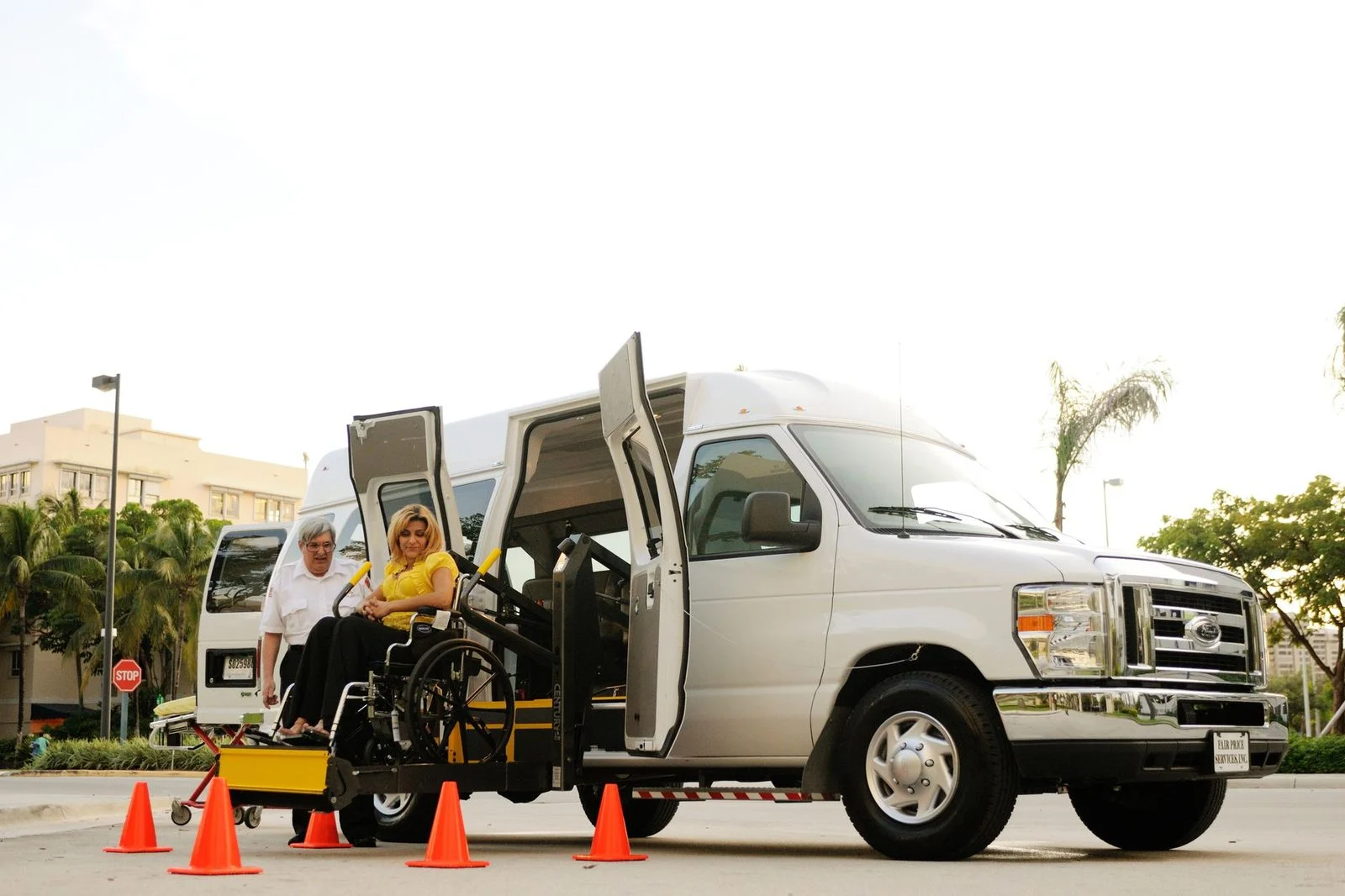
- Equipment, home changes, or vehicle changes that a medical provider recommends and documents.
- Pain, suffering, and loss of enjoyment of life.
- Losses tied to bladder, bowel, or sexual function.
Family members may have their own claim. The New Mexico Supreme Court explained that loss of consortium damages belong to the claimant and follow from a sufficiently close relationship (Thompson v. City of Albuquerque).
Proving Fault and Dealing With the Insurance Claim
New Mexico uses comparative negligence (shared fault). Your own share of fault reduces the damages you can recover (Scott v. Rizzo). The jury totals your damages, then reduces them by your percentage of fault (UJI 13-2218 NMRA).
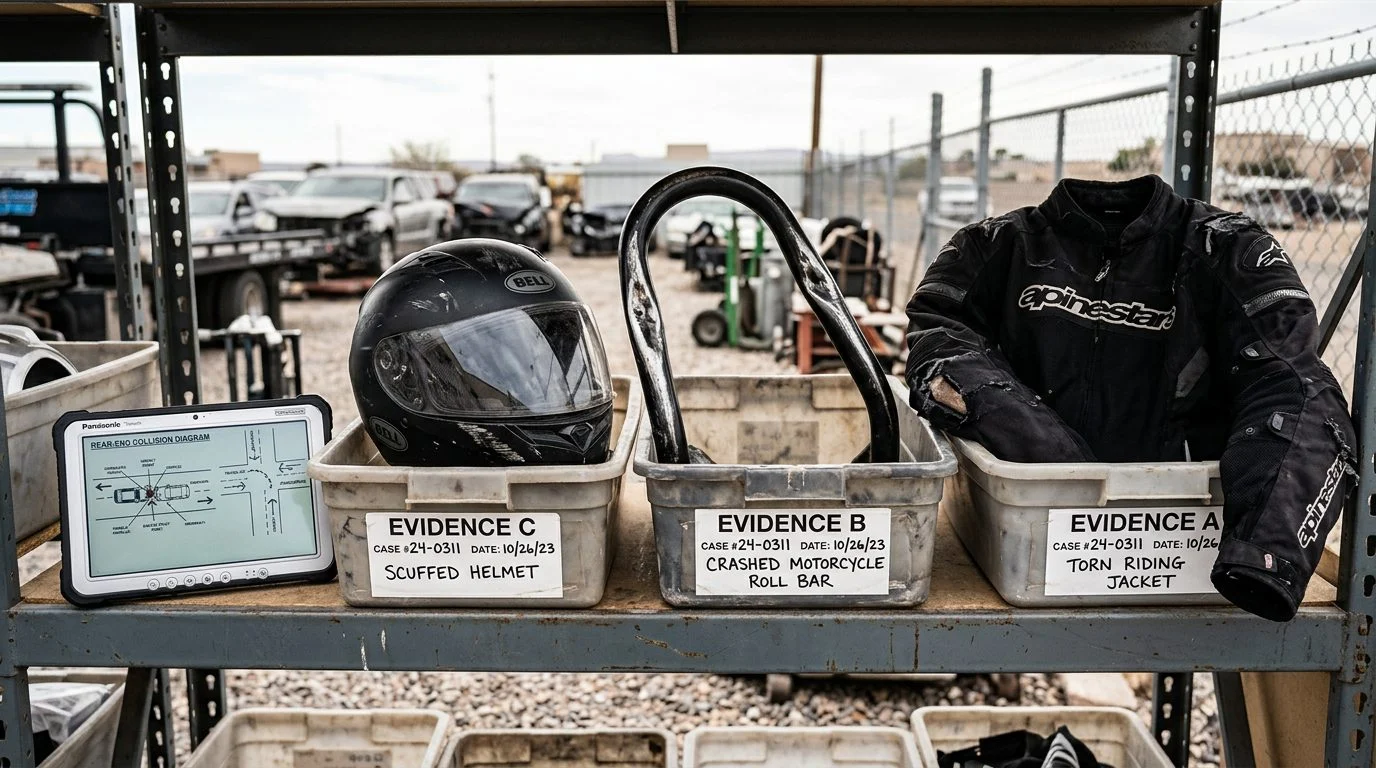
Fault in a rear-end crash often turns on following distance. New Mexico law provides that the driver of a motor vehicle shall not follow another vehicle more closely than is reasonable and prudent, having due regard for the speed of the vehicles and the traffic upon and the condition of the highway (NMSA § 66-7-318). Strong evidence includes scene photos, vehicle damage photos, witness names and statements, and vehicle data when available.
Under New Mexico law, no accident report shall be used as evidence in any trial, civil or criminal, arising out of an accident, except as otherwise provided in that section (NMSA § 66-7-213). That is why independent evidence matters.
Insurers may ask for a recorded statement soon after a crash. Talking with a lawyer first is a sound step before answering questions on tape. New Mexico law defines as unfair and deceptive practices, when knowingly committed or performed with such frequency as to indicate a general business practice, certain practices with respect to claims, including not attempting in good faith to effectuate prompt, fair and equitable settlements of an insured’s claims in which liability has become reasonably clear (NMSA § 59A-16-20).
Medical Records That Connect the Crash to the Injury
Medical records must link the injury to the crash, and the timeline matters. Under New Mexico law, a proximate cause produces the injury in a natural and continuous sequence. The injury would not have happened without it (Herrera v. Quality Pontiac). It does not need to be the only cause.
Records that often carry weight include emergency department notes, imaging such as MRI and CT scans, neurology and orthopedic notes, and rehabilitation records. Each visit note should describe your complaints and the history you gave.
Insurers look at timing. A long gap between the crash and the first medical visit invites questions. Start care promptly, follow the treatment plan, and tell providers about every symptom, including bladder, bowel, and sexual function changes.
How the Process Works, Step by Step
The process starts with a conversation about your crash. It then moves through records, fault evidence, and negotiation.
- Consultation. You tell us what happened and share your medical and insurance information.
- Record review. We review crash facts, medical records, and insurance details, and request missing records.
- Fault investigation. We look at scene evidence, contact witnesses, and seek vehicle data.
- Damages picture. We work with treating providers and document your losses.
- Claim presentation. We present the claim to the insurer and negotiate.
- Lawsuit if needed. If a fair resolution is not reached, we can file suit.
Timing matters. A claim for injury to a person or reputation generally falls under a three-year filing period in New Mexico (NMSA § 37-1-8), though other rules and exceptions may apply to some claims. Acting early also helps preserve evidence. If a government vehicle was involved, different rules can apply, so tell us who was driving.
Why Work With El Gringo Law
El Gringo Law represents people hurt in car accidents, including catastrophic injuries and spinal cord injuries. Josh Wood is the responsible lawyer for this page, and he is licensed in New Mexico and Arizona. The firm has more than one lawyer and support staff who help with each case.
The firm serves clients across New Mexico, including Albuquerque, Bernalillo County, Sandoval County, Santa Fe, Rio Rancho, Las Cruces, Taos, and Farmington. Every case is different. Past results do not predict a similar outcome.
Our team can be reached by phone, through the contact form, and through live chat on this site.
Frequently Asked Questions
Can I still recover if I was partly at fault?
Partial fault reduces your damages under New Mexico’s comparative negligence rule (Scott v. Rizzo).
How long do I have to file?
Under New Mexico law, a three-year period applies to injuries to a person or reputation (NMSA § 37-1-8), and other rules may apply to some claims. Acting sooner helps preserve evidence.
Does the police report decide who was at fault?
Photos, witness accounts, and vehicle data are often central.
Can a family member file a claim?
A close family member may have a separate loss of consortium claim (Thompson v. City of Albuquerque).
Will my case go to trial?
Whether a case goes to trial depends on the facts. Some claims resolve through negotiation before a lawsuit is filed.
Talk With Us About Your Rear-End Crash Today
If numbness, weakness, or neck pain started after a rear-end crash, you may have a claim worth reviewing. You don’t have to sort out the next steps alone. Your first consultation with El Gringo Law is free, confidential, and comes with no obligation to continue. Call the firm, submit the contact form, or start a chat on this site to tell us what happened.
How We Can Help
Crash and Medical Records
We help collect the crash report, photos, and medical records that show what happened and how your injury has affected you.
Care for the Whole Picture
Spinal cord injuries can affect mobility, work, and home life for years. We take the time to understand your medical needs and your goals.
Plain-Language Answers
We explain each step in clear terms so you know what to expect, without legal jargon.
A Confidential First Step
Your free first consultation is confidential, and you are under no obligation to continue after it.
Get Medical Care Right Away
Some spinal injuries are not obvious at first. Numbness, tingling, weakness, or neck or back pain after a crash should be checked by a doctor promptly, even if you feel you can walk it off. Keeping your medical records complete also helps document your injury.
What to Bring to Your Consultation
The Crash Details
Date, location, and any photos, videos, or notes from the scene. Names and insurance information for everyone involved help too.
Your Medical Information
Hospital and discharge papers, imaging results, and a list of the providers you have seen since the crash.
How the Injury Affects You
Notes on work you have missed, daily tasks that have become harder, and any changes at home, including the help you now need.