Spinal Cord Injury | Construction Falls | New Mexico
A Construction Fall Changed Your Life. Let's Talk About What Comes Next.
Falls from scaffolds, ladders and roofs can leave lasting injuries, and the questions about who is involved can get complicated quickly.
By Josh Wood · Published November 11, 2026
If you were hurt in a fall on a construction site or unsafe property, you may be asking who is responsible. Often, the answer is more than one party. A fall can involve a property owner, a general contractor, a subcontractor, or an equipment provider, and New Mexico law can divide fault among them.
This page explains how that works for a spinal cord injury from a fall in Albuquerque and Bernalillo County. It covers the parties, workers’ compensation, the evidence that matters, and what to expect.
What a Construction Site or Unsafe Property Fall Claim Covers
A construction site or unsafe property fall claim seeks compensation after a fall causes a spinal cord injury. The fall may come from a scaffold, a ladder, a roof edge, an unguarded floor opening, or a stairway or walkway in poor repair.
Doctors often describe spinal cord injuries as complete or incomplete. The Christopher & Dana Reeve Foundation explains that difference and how effects depend on the level of injury.
This page is for the injured person and for family members, such as a spouse or adult child, who are helping make decisions. For a broader view, see our New Mexico spinal cord injury overview.
Why More Than One Party Can Be Responsible for One Fall
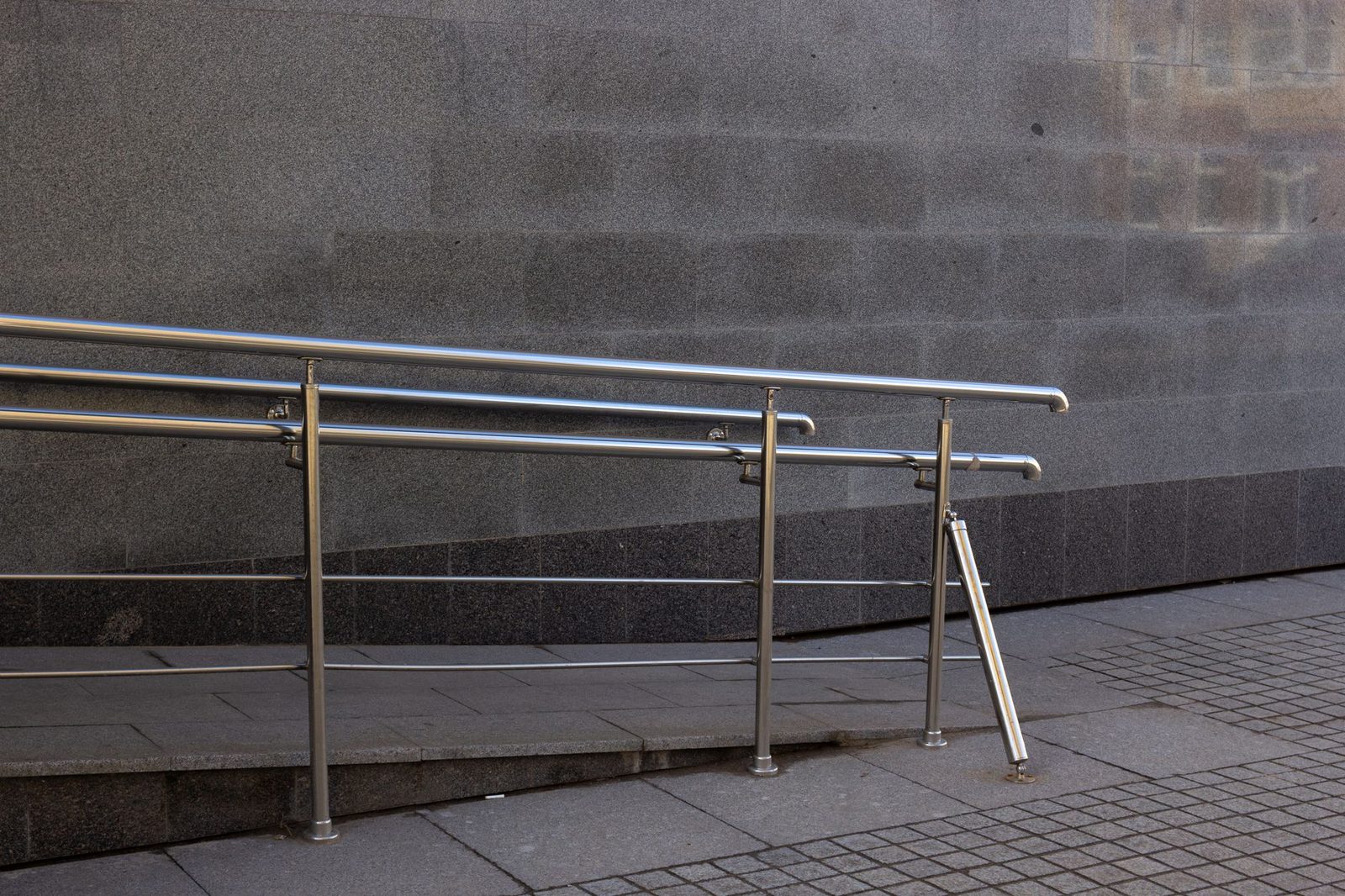
Several parties can share responsibility when they controlled the work area or the property. Those parties may include the property owner, a general contractor, a subcontractor, a property manager, or an equipment provider.
Responsibility often turns on who controlled the area, who set the safety rules, and who handled fall protection or hazard repairs at the time. Contracts can show this, and so can daily practice on the site.
New Mexico divides fault in these cases. Under NMSA 1978, § 41-3A-1, in causes of action to which several liability applies, a defendant who shows another person’s fault caused the injury is liable only for its own share. The statute also lists exceptions, such as certain vicarious liability relationships.
Fault assigned to a person who is not a party still counts in that calculation. Finding every party that played a role matters for that reason.
New Mexico’s pattern instruction says an owner or occupant owes a visitor a duty of ordinary care to keep the premises safe, even when a danger is obvious, unless the court concludes the plaintiff’s negligence in encountering the known or obvious danger was unforeseeable as a matter of law (UJI 13-1309 NMRA).
Your own share of fault is also part of the picture. New Mexico follows pure comparative negligence, so an injured person’s share of fault reduces recovery but does not totally bar it.
How Workers’ Compensation Can Limit Claims Against an Employer
Workers’ compensation often shapes which claims are available when the injured person was working. Under NMSA 1978, § 52-1-9, workers’ compensation benefits take the place of other liability when certain conditions are met.
Those conditions include that the employer complied with the state’s insurance rules, that the worker was performing service arising out of and in the course of employment, and that the injury was caused by an accident arising from that employment.
Claims against a property owner or a general contractor that did not employ you may follow different rules. Whether they do turns on the facts, including the contract chain and who controlled the work.
Public property can add other rules. If a government agency owns the site, different notice and filing requirements may apply.
Reviewing the employment relationship, the contract chain, and any workers’ compensation filings early can help show which claims may be available.
Evidence That Helps Identify Each Responsible Party
Records show who did what, so start gathering them early. Useful items include:
- Accident or incident reports
- Photos and video of the area
- Site logs, daily reports, and safety plans
- Contracts and subcontract agreements
- Inspection, maintenance, or repair requests
- Names of anyone who saw the fall
Medical records tie the injury to the fall. Imaging, emergency room notes, and treatment records document the spinal cord injury. Under Herrera v. Quality Pontiac, a proximate cause is one that, in a natural and continuous sequence, produces the injury. It need not be the only cause.
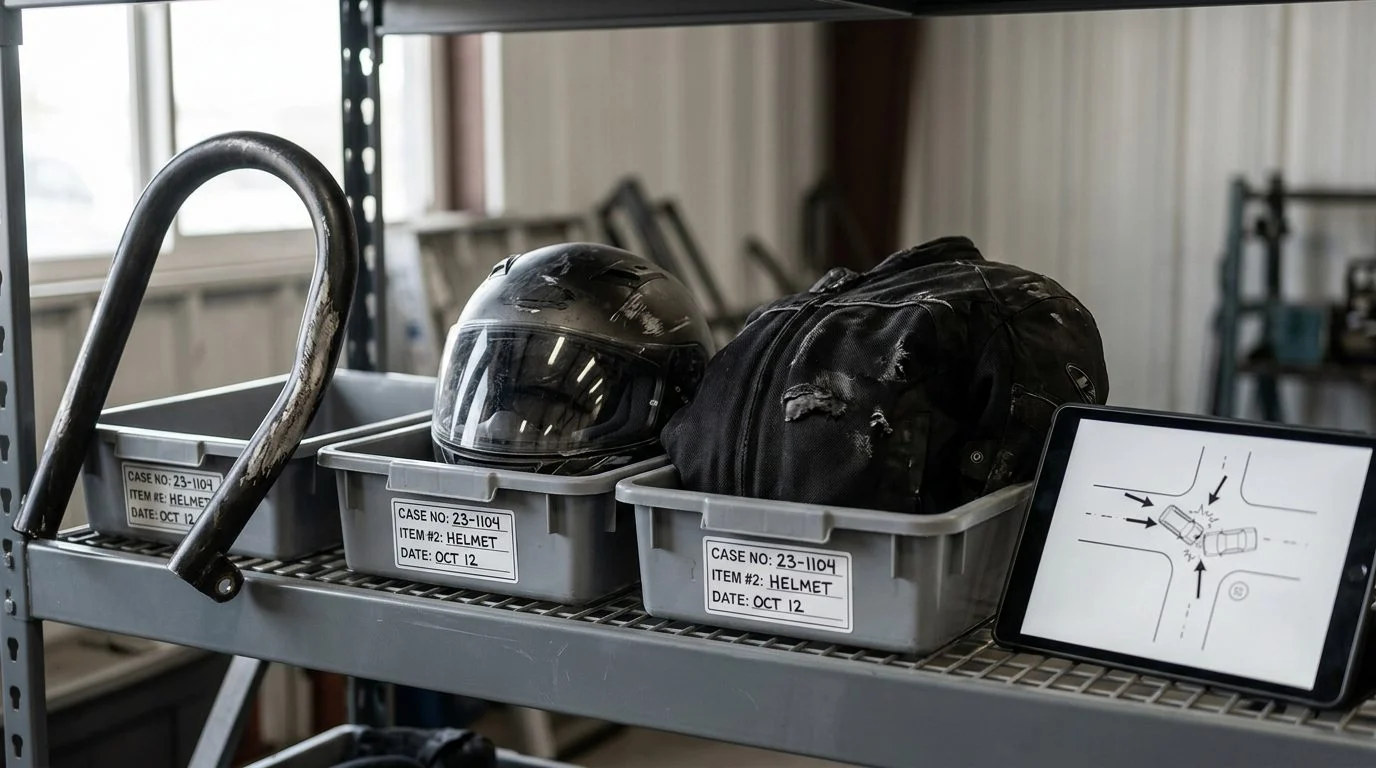
Keep the clothing, footwear, and any equipment involved in the fall. Think carefully about what you put in writing before giving any statement to an insurer. For more on imaging and records, see our imaging and records guide.
What to Expect: The Process From First Call to Resolution
Most claims follow a clear sequence:
- First consultation. We review the fall, the site or property, and your medical situation.
- Identify the parties. We map who controlled the work area and what role each party played.
- Review workers’ compensation. We look at the employment relationship and any filings that affect your options.
- Gather and preserve records. We collect medical documentation and site evidence and request what is needed from the other parties.
- Evaluate and pursue. We assess the claim against each party and discuss negotiation, mediation, or a lawsuit if needed.
Timing varies with the medical course of the injury, the number of parties, and the evidence. Many spinal cord injury claims take months or longer. For guidance on the first days after an injury, see our first week after injury guide.
Falls are a common cause of spinal cord injury, according to Virginia Department of Health training. That is one reason the cause of the fall gets close review.
Why Work With El Gringo Law on a Spinal Cord Injury Fall Claim
El Gringo Law handles premises liability, catastrophic injuries, spinal cord injuries, car and trucking accidents, and negligent security. Those areas overlap with a construction site or unsafe property fall.
Josh Wood is the responsible lawyer for this page. He is licensed in New Mexico and Arizona. Our team also includes assistants and office staff who support each matter.
Our work includes matters for people in Albuquerque and Bernalillo County. The firm’s first consultation is free, confidential, and comes with no obligation to continue.
Every case is different. Every case is different, and past results may not predict a similar outcome.
Common Questions About Construction Site and Property Fall Claims
Can I bring a claim if I worked for a subcontractor?
Possibly. Your employer, the contract chain, and who controlled the site all matter. We review those details during the consultation.
Does my own mistake end my claim?
No. New Mexico follows pure comparative negligence, so your share of fault reduces recovery but does not totally bar it.
Can I bring claims against more than one party?
Often, yes. Under New Mexico’s several liability statute, each party generally pays only its own share of fault.
Are there deadlines?
Yes. Deadlines apply to injury claims and can differ by claim type and defendant, so it helps to ask early.
What if I already talked to an insurance adjuster?
Tell our team what was said and what you signed. We can review those details during your consultation.
Talk Through Your Fall With Our Team
If a fall on a job site or unsafe property left you with a spinal cord injury, more than one party may need to be looked at. You don’t have to sort that out alone.
Contact our team through our contact form to talk through your fall. Our website is elgringolaw.com. Josh Wood is the responsible lawyer for this communication, and he is licensed in New Mexico and Arizona.
What Happens When You Contact Our Team
A Confidential First Conversation
Your free first consultation is confidential and comes with no obligation to continue.
A Review of the Facts
We listen to how the fall happened, who was working on the site, and what medical care you have received so far.
Plain-Language Answers
We explain the questions that matter to your situation in clear terms, so you can decide what to do next.
A Team Focused on Your Case
Our lawyers and staff work on injury claims for people across New Mexico, and Josh Wood is the lawyer responsible for this page.
Get Medical Care Right Away
Some spinal cord injuries are not obvious at first. Keep every medical record, bill and appointment note, and tell your doctors exactly how the fall happened.
Situations We Hear About Most
Scaffold and Ladder Falls
Falls from scaffolds, ladders and lifts often raise questions about equipment, fall protection and how the work was supervised.
Roof and Elevated Work
Injuries from roofs, beams and other elevated surfaces can involve several companies working on the same job site.
Subcontractor Chains
When a worker is hired through a subcontractor, the contract chain and who controlled the site can shape the questions we review together.
Unsafe Job Sites
Missing guardrails, open floor holes and poor site conditions can be part of the story behind a serious fall.