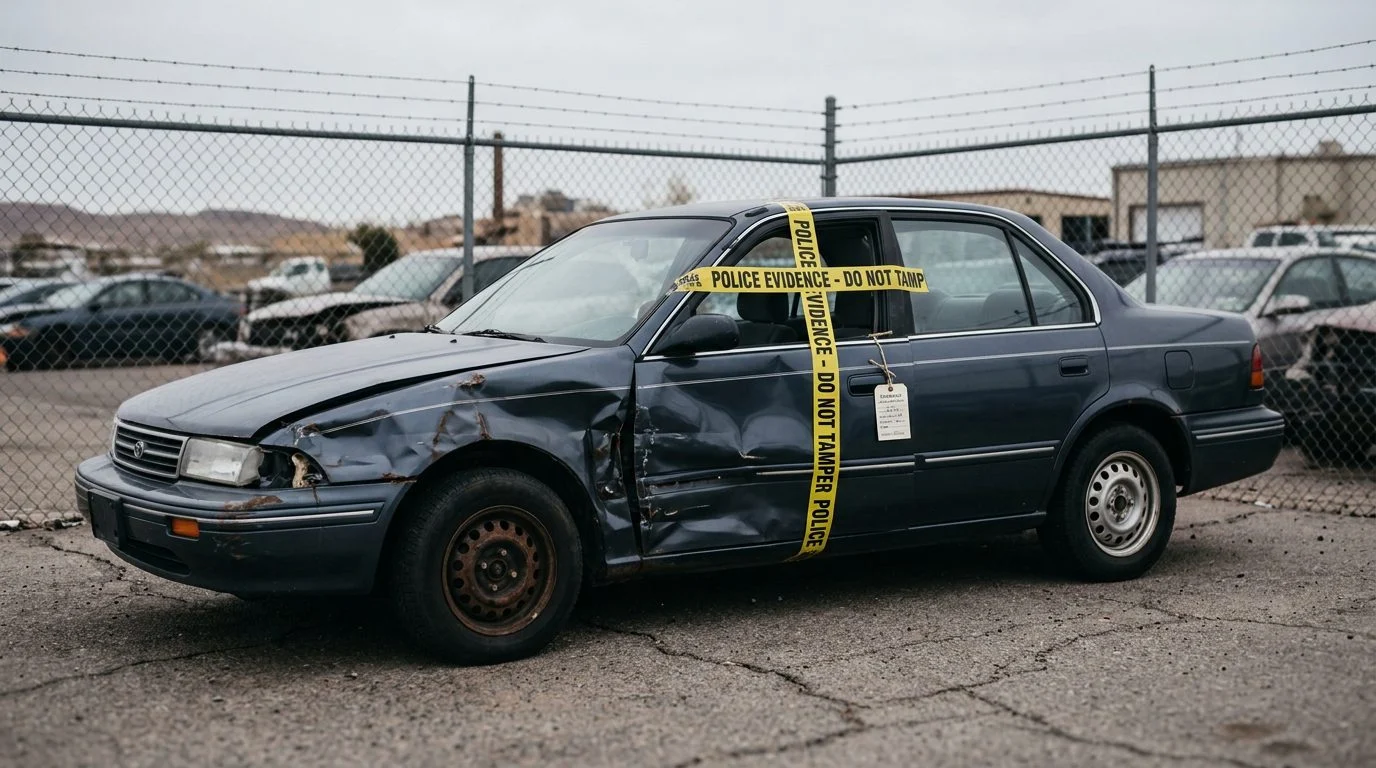
Wrongful Death | Bernalillo County, New Mexico
Lost a Loved One in a Rideshare Crash? Here's How Families Pursue Answers
When a fatal crash involves an Uber or Lyft driver, the questions come fast. El Gringo Law explains the options and offers a free, confidential first consultation with no obligation to continue.
How We Can Help Your Family
Compassionate Listening
We start by hearing what happened and what your family is facing, at a pace that works for you.
Clear Answers on the Options
We explain how a wrongful death claim works in New Mexico and which parties may be involved in a rideshare crash.
Focus on Accountability
We look at who may be responsible, including the driver and the insurance that may apply to the trip.
Direct Access to Our Team
Call, send a message, or submit a contact form, and our team will respond to your questions.
By Josh Wood · Published November 8, 2026
Short Answer: Can You Sue a Rideshare Driver After a Fatal Crash?
In many cases, yes. A family in Albuquerque can often bring a wrongful death claim against a rideshare driver whose negligence caused a death. The app’s status at the moment of the crash matters. It decides which insurance rules may apply and where a claim should be directed.
This page covers the three app stages: app off, app on and waiting for a request, and a trip in progress. Each stage has its own section below. If you are reading this after a loss, you may also be dealing with grief, paperwork and insurance calls at the same time. This page is meant to help you sort the questions.
A fatal crash claim is a wrongful death claim.
If your family lost someone in a crash involving a rideshare driver, you do not have to sort out the app, the insurance and the deadlines alone. We can talk through your questions. Talk it through with our team — the first consultation is free, confidential, and carries no obligation.
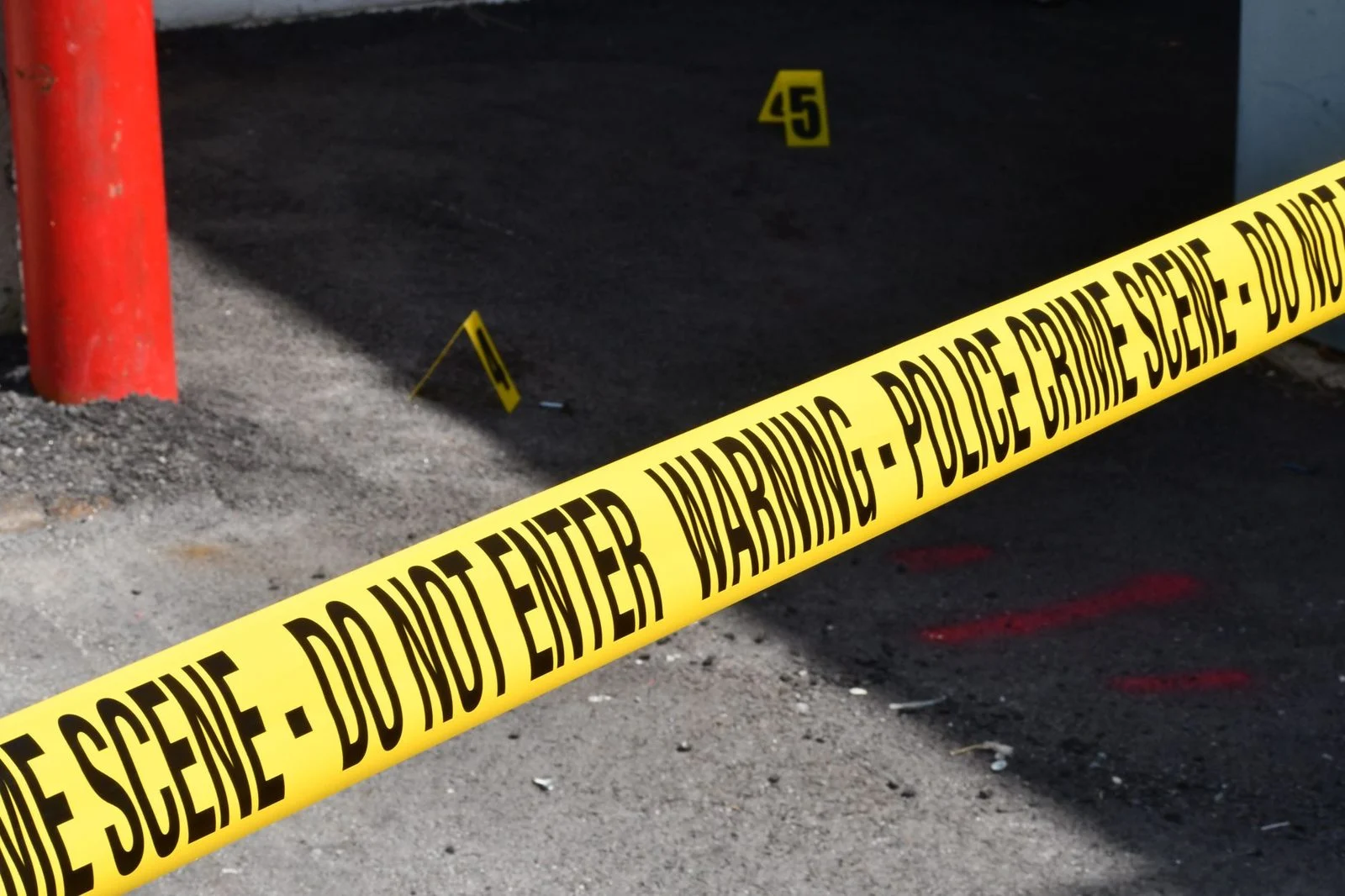
When the App Is Off
When the driver is off the app and not working a ride, the crash is usually handled like any other driver’s crash. The driver’s personal auto policy is the first place to look. Insurers may exclude coverage while a driver is logged on or on a prearranged ride, under § 65-7-10(A). That exclusion applies to app stages, so it matters less when the app was off.
New Mexico law requires auto liability policies to provide uninsured motorist coverage, which includes underinsured motorist coverage, although the named insured has the right to reject that coverage (§ 66-5-301). If the at-fault driver has little or no coverage, the family’s own policy may become important.
A lawsuit against the driver personally stays available, even when the app was off. Start by writing down the driver’s insurance details, the police report number and the names of any witnesses. Insurance adjusters may call early. You can ask for each caller’s name, company and claim number.
When the App Is On and the Driver Is Waiting for a Request
When the app is on and the driver is waiting for a request, New Mexico sets minimum insurance amounts. Under § 65-7-8(B), primary liability insurance must be at least $50,000 per person and $100,000 per incident for death and bodily injury. It must also carry at least $25,000 for property damage.
These figures are floors, not a measure of what any claim is worth. The actual policy controls, so its limits should be reviewed during the claim.
If the driver’s insurance has lapsed or falls short, the rideshare company’s insurance must provide the required coverage as primary (§ 65-7-8(D)). In a claims coverage investigation, the company and any insurer covering the driver must disclose the exact log-on and log-off times for the twelve hours before and after the accident (§ 65-7-10(B)).
After a crash, the driver must give proof of coverage to passengers, other drivers, injured persons, insurers and investigating officers. The driver must also say whether they were logged on at the time (§ 65-7-8(H)). Save any screenshots of app activity, receipts or messages about the driver’s status, if you have them.
When a Trip Is in Progress
When a driver is engaged in a prearranged ride, the required coverage is much higher. New Mexico requires at least $1,000,000 in primary automobile liability insurance for death, bodily injury and property damage (§ 65-7-8(C)).
Timing is central. The record of when the ride was accepted, when the driver picked up the rider and when the crash happened can decide which coverage stage applies. Other questions include the route driven and whether a passenger was in the car. Trip records often answer these questions, so ask for them early.
Possible claimants include a passenger’s family, another driver or a pedestrian. Each may have a claim, depending on the facts. Reviewing both policies makes sense.
Who Can Be Named in the Claim
The rideshare driver is a possible defendant in a wrongful death claim. Other parties may be named depending on the app stage and the facts of the crash. The claim must prove negligence. Under Herrera v. Quality Pontiac, a negligence claim generally requires a duty owed to the plaintiff, a breach of that duty, and a breach that was a proximate cause and cause in fact of the damages.
Examples of negligence include distraction, speeding, impairment or failing to yield. Proximate cause means the conduct, in a natural and continuous sequence, produced the harm. It need not be the only cause, nor the last or nearest cause, according to the same case.
A wrongful death action is brought by the personal representative of the person who died (§ 41-2-3). The proceeds go to surviving family members in the order the statute sets. These include a surviving spouse, children or grandchildren, parents and siblings. The jury may consider the pecuniary injury to the surviving party and the circumstances of the wrongful act.
A family member who lost a close relationship may have a separate loss of consortium claim. Under Thompson v. City of Albuquerque, that claim belongs to the survivor, not to the injured person or the estate. If the person who died was partly at fault, New Mexico still allows recovery. Under Scott v. Rizzo, that person’s own fault reduces recovery but does not bar it.
Evidence Families Should Ask About Early
The most useful evidence usually includes the app’s trip and status records, vehicle data, photographs and witness statements. Vehicle data from the cars involved can help show how the crash happened. It is worth asking how that data is stored.
The police report matters, but it has limits. Under § 66-7-213(B), no accident report may be used as evidence in a civil or criminal trial arising from the accident, except as that section provides. The report is a starting point, not the whole case.
Trip and status records are held by the rideshare company, not the family. Send a written preservation request as soon as possible after the crash. A written request puts the demand on record and shows what was asked for and when.
Keep photographs of the scene, the vehicle damage and any injuries. Keep a dated list of medical visits and bills. Keep the crash off social media while the claim is open. Posts can be read by insurers and others, and a casual comment can be used out of context.
Not sure what your next step is?
Talk it through with our team — the first consultation is free, confidential, and carries no obligation.
The New Mexico Filing Deadline and the Claim Path
A New Mexico wrongful death action must be brought within three years (NMSA 1978, § 41-2-2 — three years from the date of death). The clock starts on the date of death (§ 41-2-2). A separate three-year rule covers injury to a person (§ 37-1-8), but the wrongful death clock is set by § 41-2-2. Missing that deadline can bar the claim, so put the date on a calendar early.
The claim usually follows a set path. First, gather the crash report, app information and insurance details. Next, send claims to the insurers involved. Then negotiate. If the claim does not resolve, a lawsuit can be filed in the appropriate New Mexico court.
Rideshare claims often involve more than one insurer, which can lengthen the timeline. A claim against an insurer for unfair claim handling generally waits until the underlying negligence case ends with a judicial finding of fault against the insured (Hovet v. Allstate). The case against the driver comes first.
Talk With El Gringo Law About Your Family’s Situation
If your family is asking whether the driver can be sued and which insurance applies, the next decision is when to act. Early steps, such as preservation requests and collecting app records, help protect the evidence. Waiting can make those steps harder.
Josh Wood, the responsible lawyer for this page, is licensed in New Mexico and Arizona. El Gringo Law offers a free first consultation, which is confidential and carries no obligation to continue. You can reach the firm through its contact form.
Quick Answers
Can you sue an Uber or Lyft driver after a death?
In many cases, yes. The app’s status at the time of the crash affects which insurance may apply.
Who brings the wrongful death lawsuit in New Mexico?
The personal representative of the person who died brings it, under § 41-2-3.
How long do you have to file?
Three years from the date of death, under § 41-2-2.
Be Careful With Insurance Calls
Insurance adjusters may contact you soon after a crash. Before you give a recorded statement or sign any documents, consider speaking with a lawyer first.
Questions Families Often Ask
Can you sue an Uber or Lyft driver after a death?
It may be possible. The app's status at the time of the crash can affect which insurance may apply, so the details matter.
Who brings a wrongful death claim?
In New Mexico, the personal representative of the person who died brings the claim. We can explain what that role involves.
What should we gather right away?
Photos, the police report number, the ride receipt, and the names of witnesses can all help. We can tell you what else may be useful.
What does the first consultation involve?
It is free, confidential, and comes with no obligation to continue. You can ask questions and decide what makes sense for your family.