Wrongful Death | New Mexico
Losing someone to another person's negligence? Start by understanding the four elements.
A plain-language guide for New Mexico families weighing what happened and what questions to ask.
By Josh Wood · Published November 9, 2026
Losing someone suddenly raises hard questions, and one of the first is who was responsible. In New Mexico, families often ask what constitutes negligence in a wrongful death claim.
In short, negligence is a failure to use reasonable care, and that failure causes a death. A New Mexico wrongful death claim generally requires proof of a duty, a breach of that duty, causation, and damages. The sections below explain each piece in plain words, with examples you can picture.
What Negligence Means in a Wrongful Death Claim
Negligence means failing to act with the care a reasonable person or business would use in the same situation. When that failure leads to a death, it can be the heart of a wrongful death claim.
You may be reading this while planning a funeral, waiting for a crash report, or trying to understand something you never saw. Those are heavy questions. It’s normal to need time with them.
New Mexico’s wrongful death statute covers a death caused by the “wrongful act, neglect or default of another.” If the injured person could have sued had they lived, the responsible person or company can face an action for damages. See NMSA § 41-2-1, whose history note reads “History: Laws 1882, ch.”
If a loved one died and someone else's carelessness may be responsible, you don't have to sort out the questions alone; our team is ready to talk. Talk it through with our team — the first consultation is free, confidential, and carries no obligation.
The Four Elements of Negligence
A negligence claim in New Mexico generally requires a duty, a breach of that duty, causation, and damages. The New Mexico Supreme Court laid out these building blocks in Herrera v. Quality Pontiac.
Duty. The defendant owed the person who died a legal duty of care. New Mexico’s pattern instruction says every person has a duty to use ordinary care for the safety of others. UJI 13-1604 NMRA reads: “Every person has a duty to exercise ordinary care for the safety of the person and the property of others. [Every person also has a duty to exercise ordinary care for the person’s own safety and the safety of their property.] USE NOTES The bracketed material is to be used only when the party seeking recovery has been charged with lack of ordinary care.” See UJI 13-1604. A driver owes that duty to other drivers. A property owner owes it to visitors.
Breach. The defendant’s conduct fell short of that duty. Breach is typically measured against a standard of reasonable care. The question is what a careful person or business would have done in the same situation.
Causation. The breach must have caused the death. A cause can be one of several contributing factors, so it does not have to be the only one.
Damages. The death must have caused losses the law allows the family to pursue. We cover damages later in this article.
Each element needs support from evidence. A claim that skips one of them usually has a gap that the other side will look for.
How Negligence Differs From a Wrongful Death Claim
Negligence is the careless conduct itself, such as an unsafe turn or a stairway nobody repaired. A wrongful death claim is the lawsuit a family can bring to seek damages after that conduct causes a death.
Think of negligence as the “what happened” and the wrongful death claim as the legal path that follows. Negligence can happen in many settings, from a highway to a parking garage. Wrongful death law is the framework that lets a claim move forward.
Under New Mexico law, the action is brought by and in the name of the personal representative of the person who died. See NMSA 1978, § 41-2-3. Families usually work through that representative to move the case forward.
Some losses belong to a family member personally. In Thompson v. City of Albuquerque, the New Mexico Supreme Court explained that loss of consortium damages arise when someone in a sufficiently close relationship is killed. Those damages belong to that family member, not to the decedent’s estate.
Negligence in Car and Trucking Accident Cases
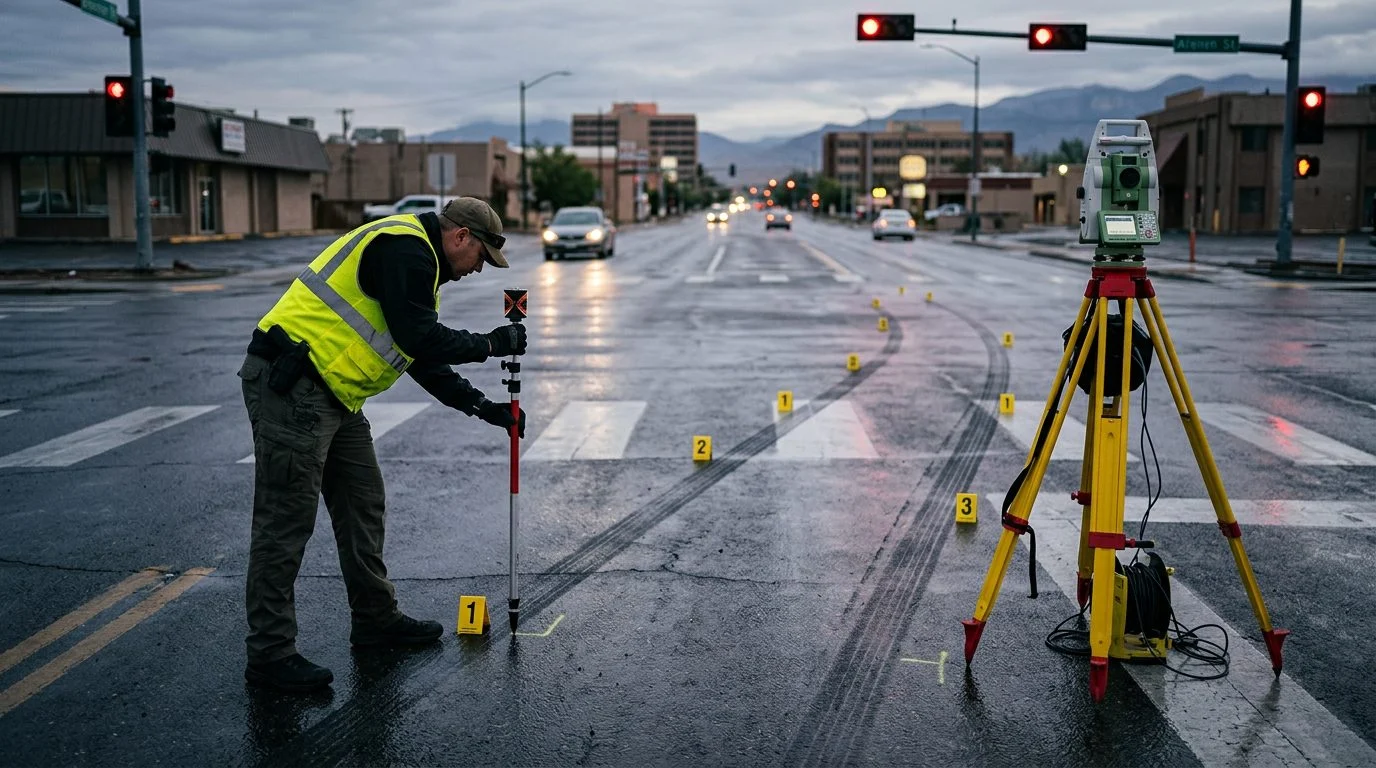
In a car crash, negligence usually means a driver did not use the care a careful driver would use. Common examples include speeding, distracted driving, running a red light, driving while impaired, and failing to yield.
Trucking cases often involve more rules and more parties. Federal driving-time limits apply to commercial drivers. Under 49 C.F.R. § 395.3, except as otherwise provided in § 395.1, a driver of a property-carrying commercial motor vehicle may not drive without first taking 10 consecutive hours off duty. A driver may drive a total of 11 hours within a 14-hour period.
The same rule also sets weekly limits. A driver may not drive after 60 hours on duty in 7 consecutive days, or after 70 hours in 8 days, depending on whether the carrier runs every day of the week. Hours-of-service records are one kind of evidence that can show what a driver was doing before a crash.
A trucking death can also involve the company that put the truck on the road. Under DeMatteo v. Simon, a negligent entrustment claim requires that the owner entrusted its vehicle to a driver it knew or should have known was incompetent, and that the incompetence caused the injury. Whether that theory fits a given crash turns on what the records show.
If your loved one was struck while walking or biking, our car accidents page covers crashes involving people on foot.
Negligence in Premises and Negligent Security Cases
On someone’s property, negligence usually means the owner knew, or should have known, about a danger and did nothing about it. A broken stair, an icy walkway, or a missing railing are common examples.
New Mexico’s pattern instruction says an owner or occupant must use ordinary care to keep the premises safe for visitors. See UJI 13-1309. That duty generally applies even when a danger is open and obvious, but the instruction should not be given if the trial court determines that the visitor’s negligence was unforeseeable as a matter of law. The owner can also be charged with what a reasonable inspection would have revealed. See UJI 13-1318.
Negligent security is a related idea. A landowner has a duty to use ordinary care to keep the premises safe for visitors, and that duty arises from a foreseeable risk that a third person will injure a visitor, including through criminal conduct. See UJI 13-1320. The key word is foreseeable. Examples include broken locks, lighting that was out, or ignoring known threats on the property.
If your loved one died in an assault on someone else’s property, our negligent security page explains that type of claim in more detail.
How Negligence Is Proven With Evidence
Negligence is proven with evidence that shows what happened, what care was expected, and how the death followed. The strength of that evidence varies from case to case.
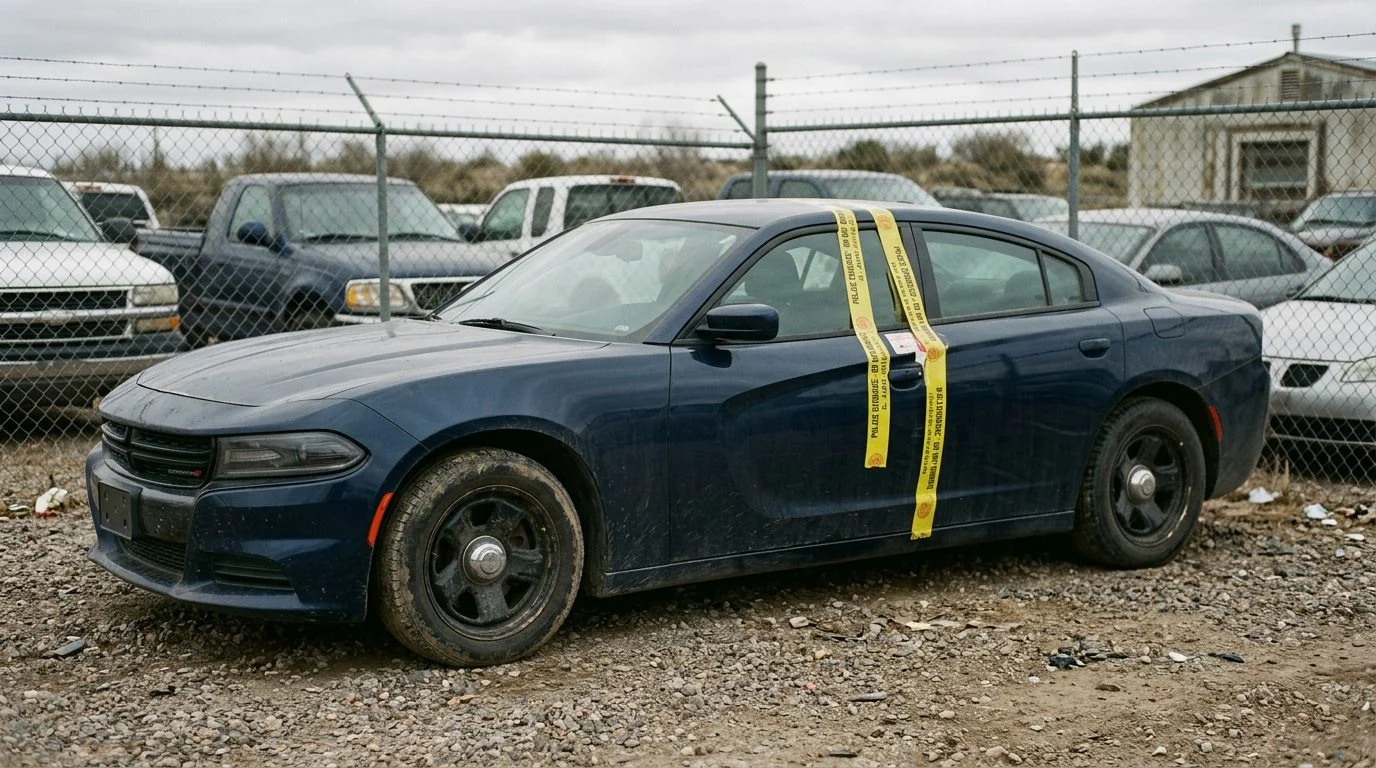
Common evidence includes police and crash reports, photographs, witness statements, surveillance video, vehicle data, maintenance and inspection records, and medical or autopsy findings. Each item can answer a different part of the four-element test.
Evidence can disappear quickly. Video is often overwritten, vehicles get repaired, and scenes change. Families should not assume the other side will keep records safe, so early steps to preserve evidence can matter a great deal.
Causation often needs help from people who can explain how a collision or an injury led to a death. Accident reconstruction and medical professionals are common examples. Their conclusions can only be known after they review the actual records, not before.
Not sure what your next step is?
Talk it through with our team — the first consultation is free, confidential, and carries no obligation.
When More Than One Person May Share Fault
A single death can involve more than one negligent party. A driver and the company that dispatched the driver may both bear some responsibility. A property owner and a security contractor may share it too.
New Mexico adopted comparative negligence, or shared fault, in Scott v. Rizzo. Under UJI 13-2218 NMRA, if the plaintiff’s injury was caused by a combination of negligence of the defendant and negligence of the plaintiff, the total damages are reduced by the percentage of the plaintiff’s negligence; the instruction is to be used only when comparative negligence is an issue in the lawsuit, the court is submitting the case on a general verdict without special interrogatories, and there is no apportionment of negligence among defendants or non-parties. See UJI 13-2218. See UJI 13-2218.
When more than one defendant is at fault, the allocation rules matter too.
That is why identifying every possible responsible party early matters. Each party’s share of fault can change how a claim is built and evaluated.
Damages Connected to Proven Negligence
Damages are the money the law allows a family to seek once negligence and causation are shown. The statute gives the jury real discretion in setting them.
It considers the pecuniary injury from the death to the surviving party entitled to the judgment. It also considers the mitigating or aggravating circumstances of the wrongful act.
Pecuniary injury means financial loss. The statute also says the proceeds of a judgment are not liable for any debt of the deceased. It sets an order for who receives the proceeds, starting with a surviving spouse and children.
Every family’s losses are different, so the amount in any case depends on the facts.
Talk With Our Team About Your Family’s Situation
Families who reach this point usually want a clear picture of what happened and what the law may allow. Here are short answers to three common questions.
Who brings a wrongful death claim in New Mexico?
The action is brought in the name of the personal representative of the person who died. Families typically work through that representative.
Does shared fault end a wrongful death claim?
It does not end the claim by itself. Under New Mexico’s comparative negligence rule, shared fault reduces the damages.
Is negligence the same as wrongful death?
No. Negligence is the careless conduct, and wrongful death is the legal claim that can follow when that conduct causes a death.
If you’re sorting through a loss you didn’t choose, you don’t have to work out the legal questions alone. Josh Wood of El Gringo Law is the lawyer responsible for this page. To talk about the facts of your family’s situation, use the contact form or visit elgringolaw.com. The first consultation is free, confidential, and carries no obligation to continue.
The four elements, in plain terms
1. Duty
Did the person or business owe the one who died a legal duty of reasonable care in that situation?
2. Breach
Did the at-fault party's conduct fall short of the care a reasonable person would have used?
3. Causation
Did that shortfall actually cause the death, not just occur alongside it?
4. Damages
Did the death cause losses the family can document, such as medical bills, lost income and loss of support?
Keep records from the start
Save police and crash reports, medical records, bills, photos, and any messages or statements about what happened. Written details made soon after an event are often easier to rely on later.
What to expect when you reach out
Free first consultation
Your initial consultation is free, confidential, and carries no obligation to continue.
Reach us your way
Call the firm, submit a contact form, or start a chat. The next step is always yours to choose.
A responsible lawyer you can name
Josh Wood, licensed in New Mexico and Arizona, is the lawyer responsible for this page's content.
Support for a difficult time
Our team focuses on clear answers and respectful communication while your family grieves.