Wrongful Death | New Mexico
Lost someone in a fatal car crash? You don't have to work out the next steps alone.
El Gringo Law helps New Mexico families understand their options and answer hard questions, starting with a free, confidential first consultation.
By Josh Wood · Published November 10, 2026
What happens after a loved one dies in a car crash in New Mexico usually starts with a wrongful death claim. That claim must be brought within three years of the date of death (NMSA 1978, § 41-2-2 — three years from the date of death).
Here is what typically happens, in order, and the decisions families often face at each step.
What Happens in the First Days After a Fatal Car Crash
The first days usually bring the police crash report and the medical examiner’s findings, and both shape what comes next.
Under New Mexico law, a driver in a crash that causes death, injury, or total property damage of $500 or more must file a written report with the state transportation department within five days (§ 66-7-207 crash reports). Officers must forward their own reports within 24 hours after finishing an investigation.
A crash report is not the final word on fault.
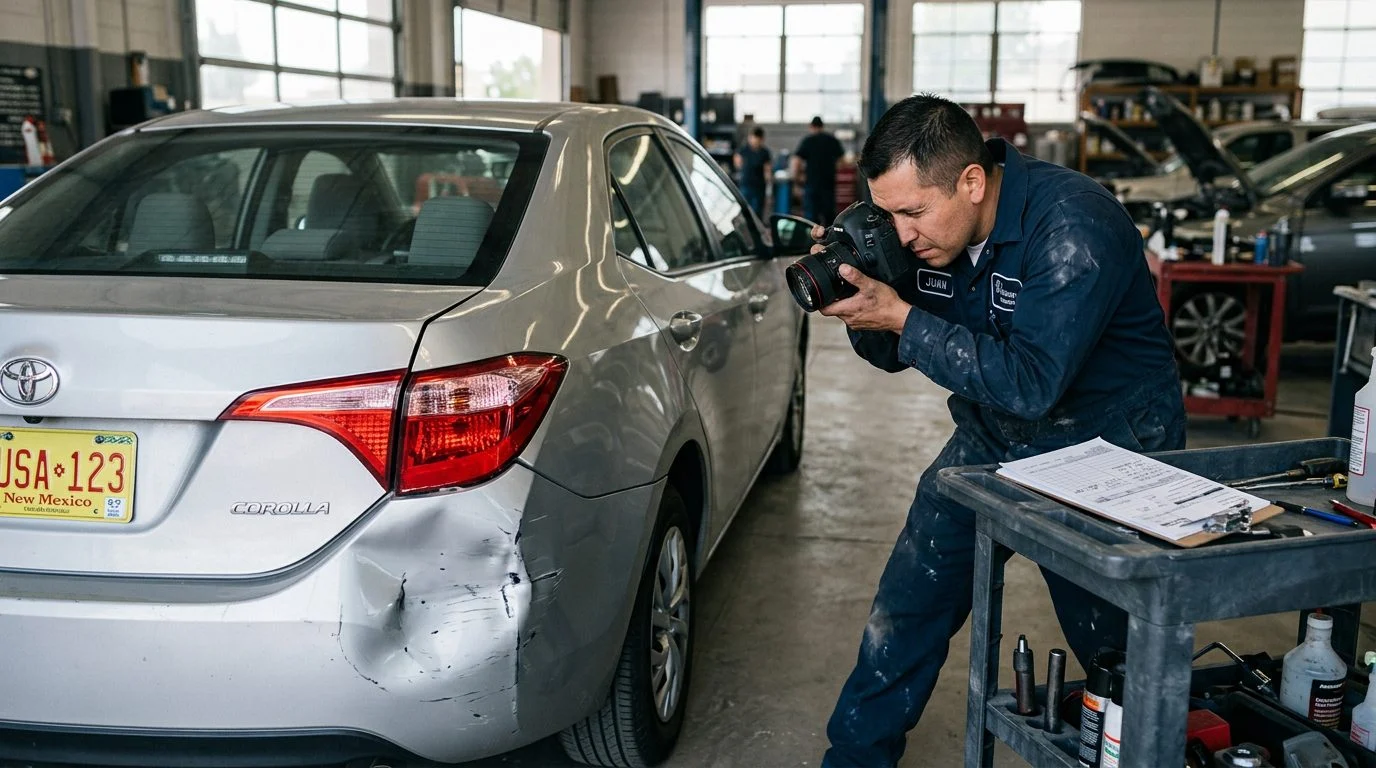
Some steps help later. Keep the vehicle and the decedent’s personal items. Save every medical and funeral bill. Write down what witnesses and responders said while you still remember it clearly.
Insurance adjusters often call early. You can ask for time before answering detailed questions, and you can speak with a lawyer first. Funeral planning and legal questions often run on parallel tracks, and no family has to solve everything at once.
Losing someone in a crash means facing paperwork and decisions you never expected. If you want to talk through where your family stands, we are ready to listen and answer your questions. Talk it through with our team — the first consultation is free, confidential, and carries no obligation.
Who Can Bring a Wrongful Death Claim in New Mexico
The personal representative of the deceased person’s estate brings the claim.
New Mexico’s Wrongful Death Act says the action must be brought by and in the name of the personal representative (§ 41-2-3). The actions covered are those mentioned in Section 41-2-1 NMSA 1978, which applies when another person’s wrongful act, neglect or default causes a death (§ 41-2-3). The claim can proceed against the party who would have been liable had the death not occurred (§ 41-2-1).
The statute also sets who receives the money. The proceeds are not liable for the deceased person’s debts. They go to statutory beneficiaries in a set order. A surviving spouse with no children takes the proceeds. A spouse and children split them. Parents and siblings come into the order only in the situations the statute describes.
For more detail, read who gets money in a New Mexico wrongful death case.
Wrongful Death Claims and Survival Actions Explained
A wrongful death claim covers the losses survivors suffer because of the death. A survival action carries the injured person’s own claims forward through the estate.
New Mexico law says the cause of action for wrongful death and the cause of action for personal injuries survive the death of the party responsible (§ 37-2-1). In plain terms, a death does not erase the claim against the person responsible.
One crash can support both kinds of claims. They are valued differently, so a family should not assume one replaces the other.
Loss of consortium is a related claim. It belongs to a family member with a close relationship to the person who died, not to the estate (Thompson v. City of Albuquerque). New Mexico’s jury instructions also treat wrongful death damages and loss of consortium damages separately (UJI 13-1830 damages instruction).
Families often hear both terms in one conversation. It helps to ask which claim each person means.
Determining Fault and Who May Be Liable
Fault is decided with evidence from the whole investigation, not from one document.
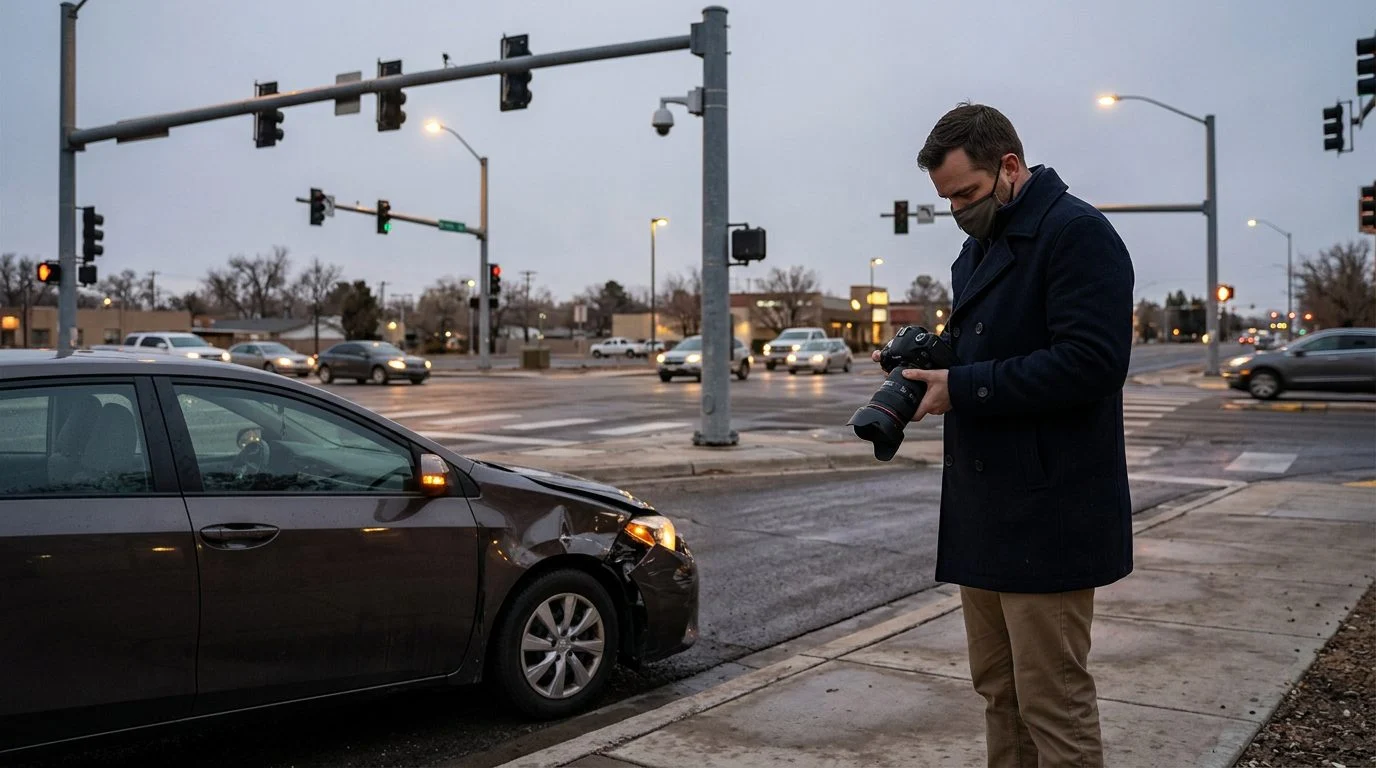
Investigators look at the crash report, where the vehicles came to rest, witness accounts, photos, and any traffic camera footage. Event data recorders in vehicles can preserve pre-crash, crash and restraint information (NHTSA event data recorders).
New Mexico follows pure comparative negligence. A person who was partly at fault is not totally barred from recovery (Scott v. Rizzo). Jurors assign a percentage of fault to each person whose negligence caused the harm. Those percentages must total 100% (UJI 13-2219 comparative negligence).
Under the statute, joint and several liability still applies in some situations, such as when a person acted with the intention of inflicting injury or damage (§ 41-3A-1).
The at-fault driver is a possible defendant. In some crashes, an employer may share responsibility. When a commercial truck is involved, federal drug and alcohol testing rules may apply after a crash (FMCSA post-accident testing). Read more about suing a trucking company and driver in a fatal crash in New Mexico.
Coverage limits can cap what an insurer pays, so the full picture of available coverage matters early.
What Damages May Be Recoverable and Funeral Costs
Families can seek the losses New Mexico law allows, and receipts for funeral and medical bills are the first records to gather.
The wrongful death statute directs the jury to weigh the pecuniary injury that the death causes to the surviving people who will receive the judgment. The jury also considers the mitigating or aggravating circumstances of the wrongful act (§ 41-2-3).
Keep funeral and burial bills, medical bills from the crash, and other documented costs in one folder. Ask the funeral home and cemetery for itemized invoices, and keep copies of every payment. A detailed guide is available on funeral and burial costs after a fatal car accident in New Mexico.
Families can also check the decedent’s own auto policy.
What any family recovers depends on the facts of the case. No result can be predicted from general information.
Criminal Cases, Filing Deadlines, and Next Steps
The general deadline for a New Mexico wrongful death claim is three years from the date of death, so waiting can cost time (NMSA 1978, § 41-2-2 — three years from the date of death).
The statute says the action must be brought within three years after the cause of action accrues. The cause of action accrues on the date of death (§ 41-2-2).
A criminal case is separate from a civil claim. New Mexico makes it unlawful to drive under the influence of intoxicating liquor (§ 66-8-102). Failing to stop, or to comply with the requirements of Section 66-7-203, after a crash that causes great bodily harm or death is a fourth degree felony, or a third degree felony if done knowingly (§ 66-7-201). A criminal outcome does not decide a civil claim. Learn more about criminal cases versus wrongful death claims in New Mexico.
Bring these items to a first conversation:
- The crash report number and the agency that wrote it
- The decedent’s auto insurance information
- The vehicle involved, and whether an employer owned or was responsible for it
- The names and relationships of possible beneficiaries
- Key dates, including the date of death
For a full overview, see wrongful death car accident claims in New Mexico.
Not sure what your next step is?
Talk it through with our team — the first consultation is free, confidential, and carries no obligation.
Talk With El Gringo Law About Your Family’s Situation
If you are speaking for a family member, you may be carrying grief, funeral plans, and calls you never expected. You did not choose this, and you don’t have to answer every question alone.
To start, gather the crash date, the county where it happened, and what you have so far. That includes the crash report number and the names of the people involved. Your first consultation with El Gringo Law is free, confidential, and without obligation to continue.
El Gringo Law handles wrongful death cases, along with car accident and trucking accident claims. You can reach the firm through its contact form, by phone, or through live chat on the website. Josh Wood, the lawyer responsible for this page, is licensed in New Mexico and Arizona.

Frequently Asked Questions
Who can file a wrongful death claim after a fatal car crash in New Mexico?
Under New Mexico’s Wrongful Death Act, a claim is generally brought by the personal representative of the deceased person’s estate, for the benefit of certain family members such as a surviving spouse, children, or parents. Who qualifies depends on the family’s circumstances, so a lawyer can confirm who may file in your situation.
How long does a family have to file a wrongful death claim in New Mexico?
New Mexico generally allows three years from the date of death to file a wrongful death lawsuit, but other deadlines can apply, so it is important to act early. El Gringo Law offers a free, confidential initial consultation with no obligation to continue.
What steps do families often take in the first days after a fatal crash?
Families often request the police crash report, obtain copies of the death certificate, and keep records of medical, funeral, and other bills. Saving photos, text messages, and details about the vehicles involved can also help preserve evidence for later review.
What losses can a wrongful death claim seek in New Mexico?
Every wrongful death situation is different, and what a family may be able to recover depends on the facts of each case. Every case is different, and the amount and availability of damages depend on the facts and the law.
How El Gringo Law can help your family
Plain answers
We explain the process in clear language, so you know what is happening and why.
Support for the whole family
Grief, paperwork, and decisions affect everyone. We take the time to hear each family member's questions.
Organized records
We help you gather and keep track of the police report, medical records, and bills that matter.
Focus on your family's interests
We work to protect your family's rights as you deal with insurers and other parties.
Before you speak with an insurance adjuster
Insurance companies may contact you soon after a crash. Talk with a lawyer before giving any recorded statement or signing any release.
Common first steps for families
Keep the paperwork together
Store the crash report number, funeral receipts, medical bills, and insurance letters in one folder.
Write down what you remember
Note dates, names of responding officers, and witnesses while the details are still fresh.
Ask about wrongful death
Ask whether a wrongful death claim may apply to your family's situation. A lawyer can review the facts with you.
Track costs and losses
Keep a record of medical care, lost income, and household changes so the full impact is documented.