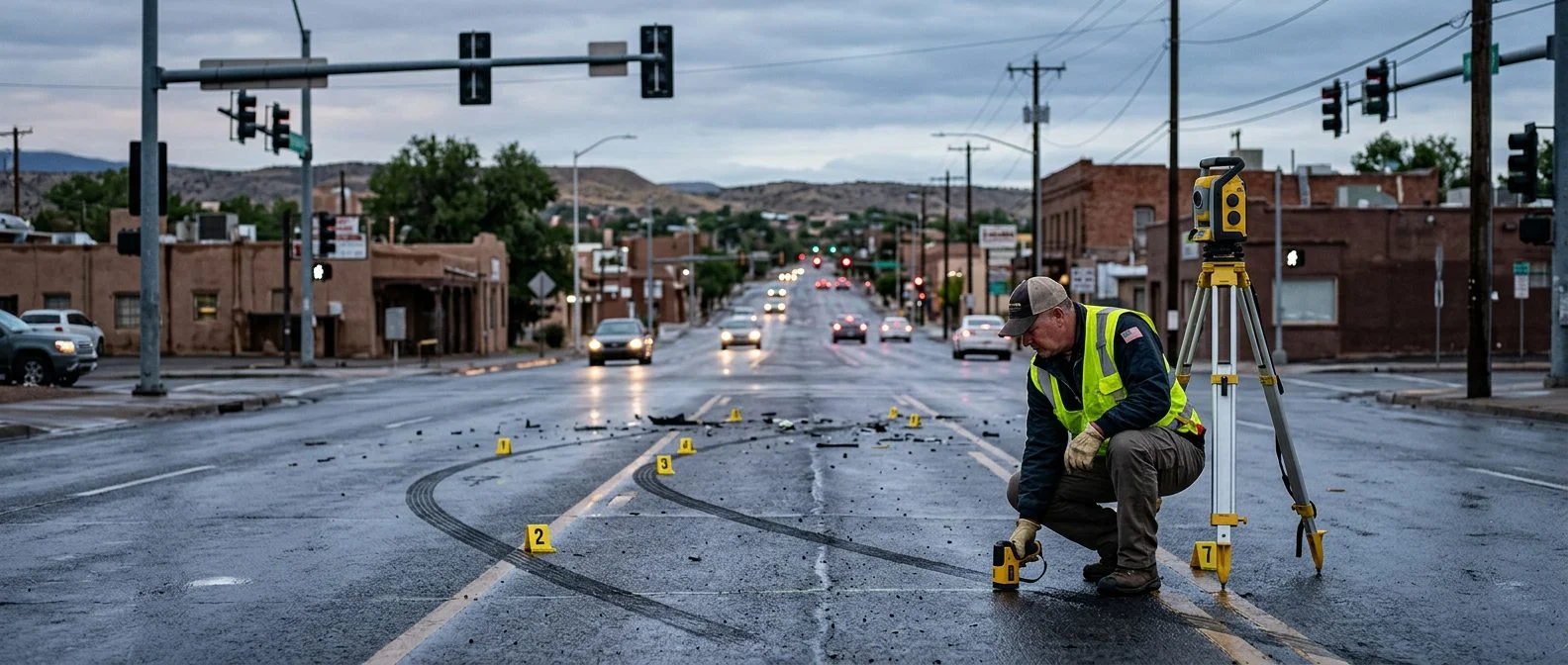
Wrongful Death · Bus Crashes · Albuquerque, New Mexico
When a Bus Crash Takes a Loved One, Your Family Doesn't Have to Face It Alone
El Gringo Law represents families in Albuquerque and Bernalillo County after fatal bus and motor vehicle crashes. Our free first consultation is confidential and comes with no obligation to continue.
By Josh Wood · Published November 4, 2026
Families in Albuquerque who need a wrongful death bus crash lawyer often start with one question: what does the claim involve? A wrongful death claim lets survivors seek damages after someone dies because another party acted negligently or wrongfully. In New Mexico, the case is brought by the personal representative of the person who died. This page explains who can file, the deadlines, what damages the law allows, and the evidence that can disappear first.
What a Wrongful Death Claim After a Bus Crash Is
A wrongful death claim is a lawsuit for damages after a death caused by another party’s wrongful act, neglect or default. New Mexico law says the party who would have been liable if the death had not happened can be sued, even though the injured person died (NMSA § 41-2-1).
The personal representative of the person who died files the case, in the personal representative’s own name (NMSA § 41-2-3). Any judgment goes to survivors in the order the statute sets. A surviving spouse comes first when there is no child. When there is a spouse and a child or grandchild, half goes to the spouse and half to the children and grandchildren.
This page is for families in Albuquerque, Bernalillo County, Rio Rancho, Sandoval County, Santa Fe, Las Cruces, Taos, and Farmington who lost someone in a bus crash. Many are handling funeral plans, insurance calls, and grief at the same time. You do not need legal training to understand the basics here.
If you are planning a funeral while waiting for answers about a bus crash, you do not have to face these questions alone, and our team is ready to talk. Talk it through with our team — the first consultation is free, confidential, and carries no obligation.
Types of Bus Crashes and the Causes That Come Up
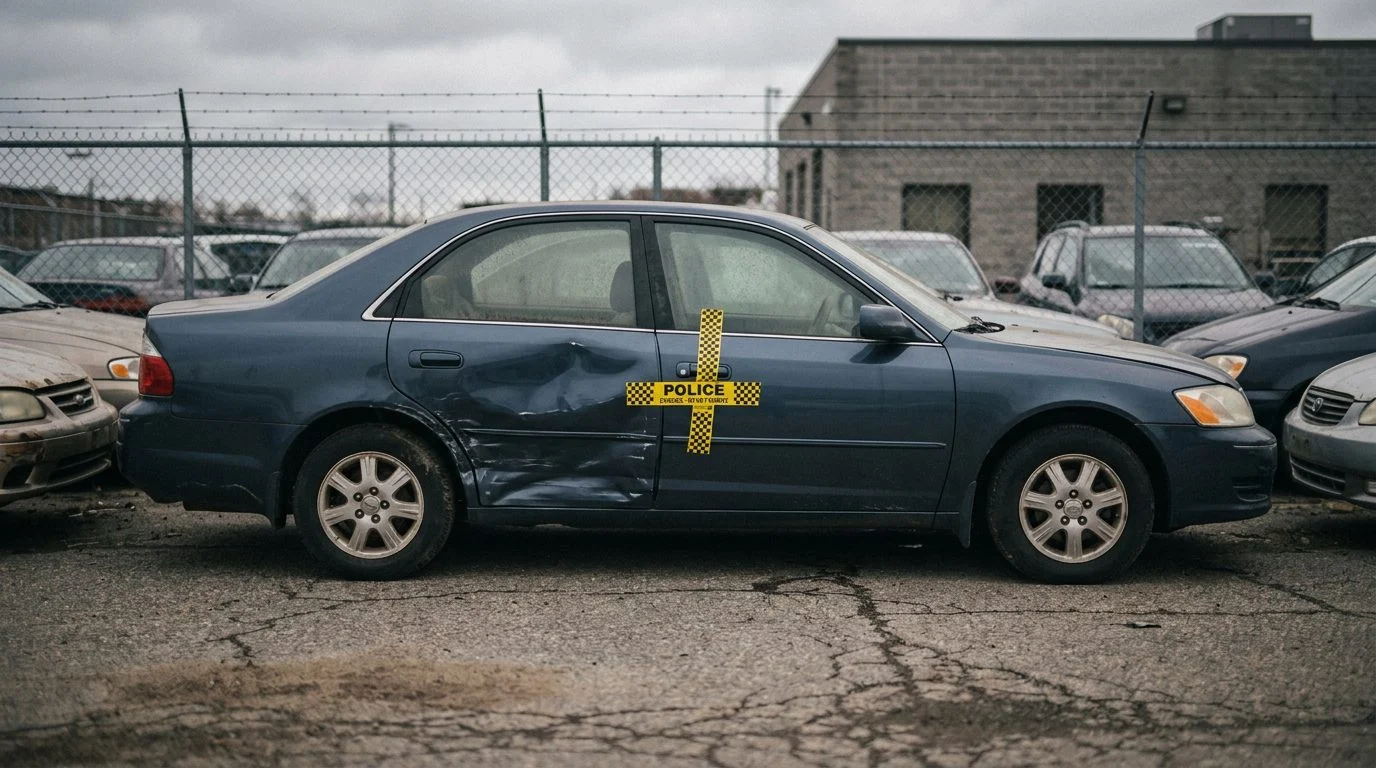
Wrongful death bus cases can involve public transit buses, motorcoaches, charter and tour buses, shuttle vans, and school buses. Each type has its own operator and rules, so the owner and operator are among the first questions.
Common crash patterns include rear-end and lane-change collisions, rollovers, intersection crashes, pedestrian strikes near stops, and highway crashes on routes such as I-25 and I-40.
Investigators often look at driver fatigue, distraction, speeding, impairment, weak driver training, and poor brake or tire maintenance. Federal rules also limit driving time. For a passenger-carrying commercial vehicle, a motor carrier may not let a driver drive more than 10 hours after 8 consecutive hours off duty (federal driving-time limits). Federal bus rules also require baggage and freight to be stowed and secured so it does not fall onto occupants (bus safety rules). Federal rules require employers to test surviving drivers for alcohol and controlled substances as soon as practicable following certain occurrences involving a commercial motor vehicle operating on a public road in commerce (post-accident testing rules).
What a Wrongful Death Claim Can Recover
The jury may award compensatory and exemplary damages that it finds fair and just (NMSA § 41-2-3). The jury considers the financial loss to the survivor entitled to the judgment. It also considers the facts that make the wrongful act more or less serious. Where the decedent left a spouse, child, father, mother, brother, sister, or child or children of a deceased child, judgment proceeds are not liable for the deceased person’s debts.
Close family members may also have a separate loss of consortium claim, which covers the loss of a close relationship. That claim belongs to the family member, not the estate (Thompson v. City of Albuquerque). New Mexico’s pattern jury instruction also treats wrongful death damages and loss of consortium damages as separate in situations where the personal representative is also a loss of consortium claimant (UJI 13-1830 NMRA).
Fault matters too. Under the state’s several liability statute, a defendant generally pays only its share of fault, though the statute lists exceptions such as vicarious liability (NMSA § 41-3A-1).
How a Bus Crash Claim Moves Forward
The usual path runs from a first consultation to evidence requests, proof of fault, claims with insurers, and a lawsuit if the claim does not settle. Each step builds on the one before.
Step 1: First contact. The first consultation is free, confidential, and comes with no obligation to continue. The family describes the crash, the loss, and the questions on their mind.
Step 2: Preserve evidence. Early written requests can ask for onboard event data, camera footage, driver logs, maintenance and inspection files, dispatch records, and driver training files.
Prove negligence. Generally, a negligence claim requires the existence of a duty from a defendant to a plaintiff, breach of that duty, which is typically based upon a standard of reasonable care, and the breach being a proximate cause and cause in fact of the plaintiff’s damages (Herrera v. Quality Pontiac).
Step 4: Identify every responsible party. The driver is not always the only party. New Mexico recognizes negligent entrustment, which requires that the owner gave the vehicle to a driver it knew or should have known was incompetent, and that the incompetence caused the injury (DeMatteo v. Simon).
Step 5: Resolve or file suit. Claims go to insurers first. If the claim does not settle, a lawsuit is the next step. Timelines vary, and early records and insurer responses often set the pace.
Deadlines, Notice Rules, and Where to Start
New Mexico generally allows three years from the date of death to bring a wrongful death action (NMSA 1978, § 41-2-2 — three years from the date of death). The cause of action accrues on the date of death (NMSA § 41-2-2).
Claims against a government body follow shorter rules. For a wrongful death claim, the required written notice may be presented within six months after the injury that caused the death (NMSA § 41-4-16). Suit against a governmental entity or public employee for torts must be commenced within two years after the occurrence, except that a minor under the full age of seven years has until his ninth birthday to file (NMSA § 41-4-15).
Evidence can disappear quickly. Buses get repaired or returned to service, and camera and event data can be overwritten. Early preservation requests help protect that evidence.
Why Work With El Gringo Law on a Bus Crash Claim
Josh Wood, the lawyer responsible for this page, is licensed in New Mexico and Arizona. El Gringo Law handles wrongful death, trucking accidents, car accidents, and catastrophic injuries.
Our team works with families on records requests and communication with insurers, so the family can focus on their loss. Every case is different.
Not sure what your next step is?
Talk it through with our team — the first consultation is free, confidential, and carries no obligation.
Questions Families Ask About Bus Crash Wrongful Death Claims
Most families ask who can file, how long they have, and whether the deceased person’s own fault matters. The short answers are below.
How long do we have?
Under New Mexico law, every action brought under this section and the preceding section (41-2-1) must be brought within three years after the cause of action accrues, and the cause of action accrues as of the date of death (NMSA § 41-2-2). Claims against a government body have shorter deadlines.
Can the bus company be named too?
Yes. A claim can name more than one party, including an owner who entrusted a vehicle to an incompetent driver.
Does the deceased person’s fault stop the claim?
No. Under New Mexico’s comparative negligence rule, fault reduces damages but does not bar recovery.
What should we do first?
Keep any crash reports, photos, and letters you have. Write down who from the bus company or insurer has contacted you.
If you are planning a funeral while waiting for answers about the crash, you do not have to face these questions alone. Our team is ready to talk when you are. Call, submit the contact form, or start a chat.
Why families contact El Gringo Law
Free first consultation
Our first conversation is free, confidential, and comes with no obligation to continue.
A focus on serious injury and wrongful death
Our practice focuses on car accidents, trucking and commercial vehicle crashes, wrongful death, and catastrophic injuries.
A team that works with you
Our team, including the firm's lawyers and support staff, keeps families informed as the case moves forward.
Responsible attorney
Josh Wood, responsible for this page's content, is licensed in New Mexico and Arizona.
Before you speak with an insurance company
Insurance adjusters may call soon after a crash and ask for recorded statements. Consider speaking with a lawyer before you give any statement or sign any release.
Steps that can help your family right now
Keep records
Save accident reports, photos, medical and funeral bills, and any letters from insurers or the bus company.
Write down the details
Note the date, time, location, route, bus company name, and the names of any witnesses while your memory is fresh.
Be careful with statements
Think carefully before giving recorded statements or signing paperwork from an insurer or a company's representatives.
Ask your questions
Contact El Gringo Law for a confidential, no-obligation conversation about your family's situation.