Wrongful Death · New Mexico Families
Losing a Child: The Questions Parents Ask First
Grief makes it hard to think clearly. Here is a practical guide to the questions that matter most, and how El Gringo Law can help you decide your next step.
By Josh Wood · Published November 11, 2026
Losing a child is hard enough. When another person’s wrongful act or neglect caused that death, parents often ask two things first: can we bring a claim, and how long do we have?
Under New Mexico’s Wrongful Death Act, a family can seek damages when a death is caused by another’s wrongful act, neglect or default. The lawsuit is brought by the personal representative of the child’s estate, and it generally must be filed within three years of the date of death. The sections below answer the questions parents ask most, in the order they usually come up.
What the law means by a wrongful death claim for a child
A wrongful death claim lets a family seek damages when another party’s wrongful act or neglect causes a death. New Mexico’s Wrongful Death Act makes a person or company liable in damages in that situation. The act must be one that would have allowed the injured person to sue, had the death not happened.
The claim does not start from scratch. It rests on the same basic questions of fault that apply to an injury case. The statute also looks at the family’s loss. It considers the pecuniary injury resulting from the death to the surviving party, and also the mitigating or aggravating circumstances attending the wrongful act, neglect or default.
For more background, see our wrongful death guide for New Mexico.
If your child died in a crash or another preventable event, you don't have to sort out these questions alone. Our team can talk with you in a free, confidential consultation. Talk it through with our team — the first consultation is free, confidential, and carries no obligation.
Who can bring a wrongful death claim for a minor child
The personal representative of the child’s estate brings the lawsuit. A personal representative is the person appointed to handle a deceased person’s estate. Under NMSA 1978, § 41-2-3, every wrongful death action is brought by and in the name of the personal representative of the deceased person.
Parents often ask whether they can sue as parents. The lawsuit goes through the personal representative, while the parents’ place in any money is set by statute. For a minor child who was childless and unmarried, the judgment goes to the father and mother, who have an equal interest in it. If one parent has died, the surviving parent takes it.
Other relatives appear in the statute too, in a set order. Which rules apply depends on the family’s exact situation. Bring those facts to the first conversation so nothing is assumed.
What has to be shown: a wrongful act or neglect that caused the death
A family must show that someone’s wrongful act or neglect caused the child’s death. In New Mexico, a negligence claim generally requires a duty owed to the person, a breach of that duty, and a breach that was a proximate cause of the damages. Herrera v. Quality Pontiac sets out that structure.
Proximate cause is the key link. It is a cause that, in a natural and continuous sequence, produces the injury, and without which the injury would not have occurred. It need not be the only cause. That matters when a death had more than one contributing factor.
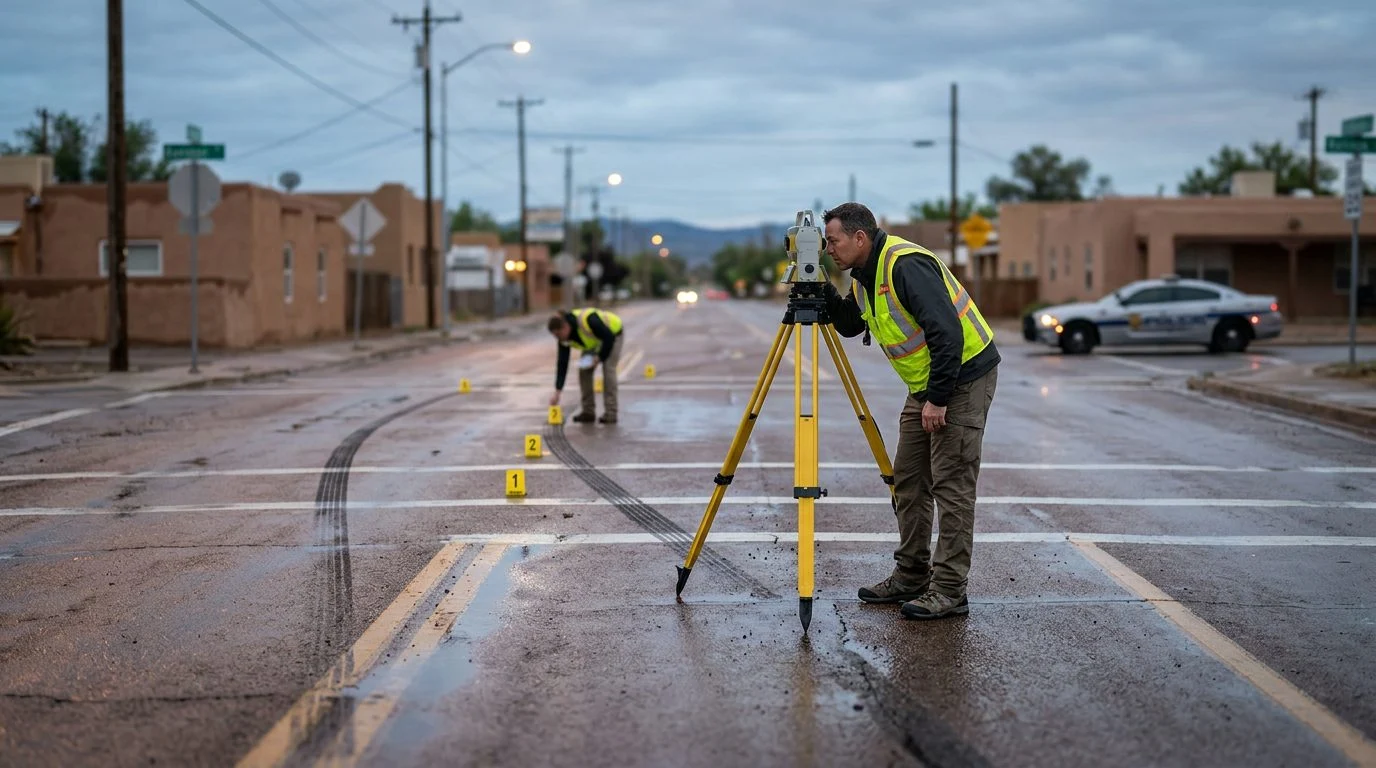
The events vary. A child’s death can follow a crash with a driver or a commercial truck. It can follow a dangerous condition on someone else’s property, or a crime on property with poor security. In a crash, a driver who fails to stop, or fails to meet the duties of NMSA 1978, § 66-7-203, where the accident results in great bodily harm or death commits a fourth degree felony under NMSA 1978, § 66-7-201. A driver who knowingly fails to stop or to meet those duties, where the accident results in great bodily harm or death, commits a third degree felony under the same section.
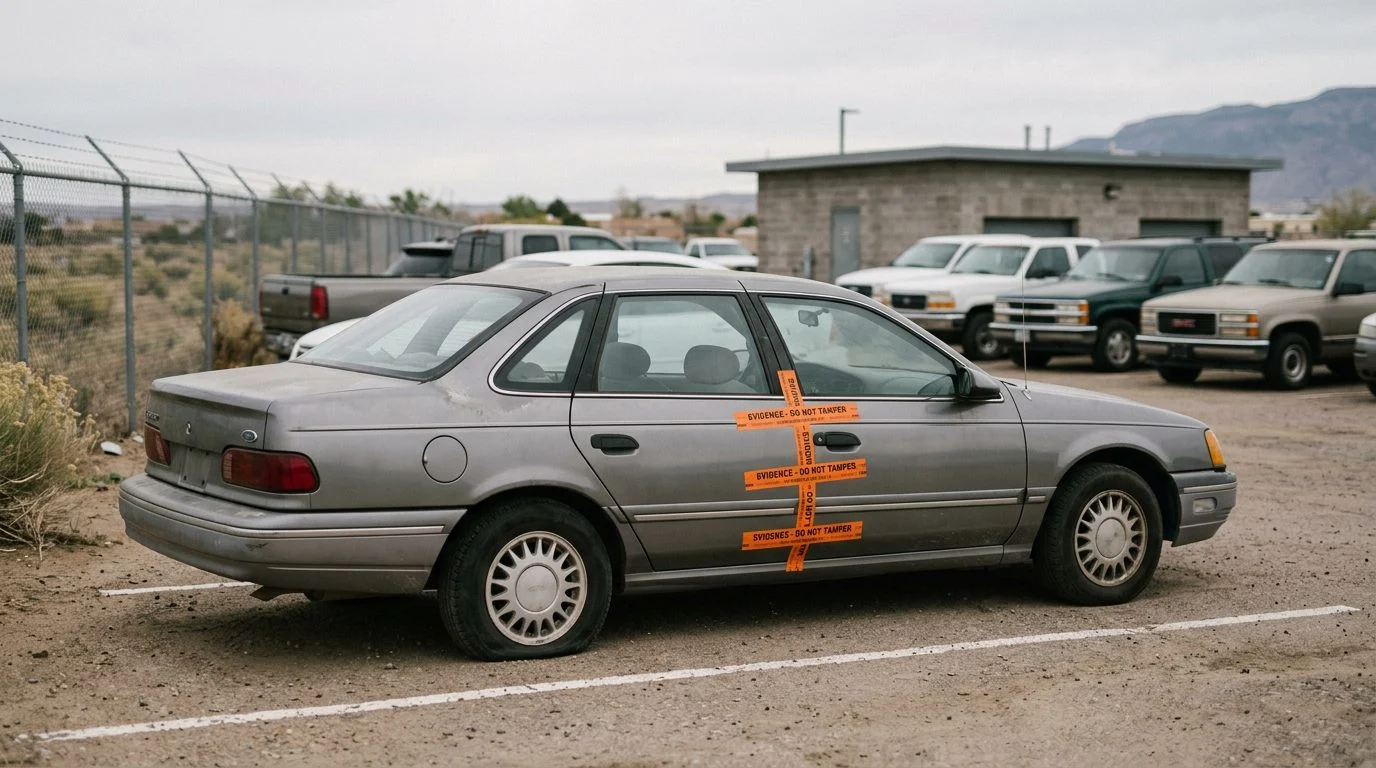
For property and security cases, a landowner must use ordinary care to protect visitors from harm caused by a third party’s foreseeable conduct, including criminal conduct. UJI 13-1320 NMRA states that duty. Early evidence often matters most, including crash or incident reports, medical and autopsy records, witness names, and maintenance or security records. Some of it can disappear over time.
Which court hears a New Mexico wrongful death case
A New Mexico wrongful death claim is a civil lawsuit, so it follows court procedure from the first filing. Where the case is filed is a question to settle early, because it depends on the facts of each case.
Families sometimes wait while they grieve and assume there is plenty of time. The better course is to ask questions early, while records still exist and before any deadline passes. Once a case is filed, court rules and deadlines apply to every step. A case can settle at any stage, but the filing sets the process in motion.
How long a family has to file
A family generally has three years from the date of death to file a New Mexico wrongful death action (NMSA 1978, § 41-2-2 — three years from the date of death). The statute says the action must be brought within three years after the cause of action accrues, and that the cause of action accrues as of the date of death (NMSA 1978, § 41-2-2).
Waiting costs time. Video can be overwritten, vehicle data can be lost, and witnesses can move away or forget details. Claims against a government entity or a public employee follow separate rules and deadlines under New Mexico’s statutes, so ask about them at the first conversation. Ask early about any other claims that come from the same event.
What damages a New Mexico family may recover
A New Mexico jury may award compensatory and exemplary damages that it considers fair and just. Exemplary damages are meant to punish serious wrongdoing. The jury may consider the pecuniary injury from the death to the surviving party, and any mitigating or aggravating circumstances of the wrongful act, neglect or default (NMSA 1978, § 41-2-3).
New Mexico also recognizes loss of consortium claims after a death, which are not part of the wrongful death statute, NMSA 1978, § 41-2-3, which allows compensatory and exemplary damages, taking into consideration the pecuniary injury resulting from the death to the surviving party entitled to the judgment and also the mitigating or aggravating circumstances attending the wrongful act, neglect or default. The statute allows the jury to award damages that take into consideration the pecuniary injury resulting from the death to the surviving party entitled to the judgment, and also having regard to the mitigating or aggravating circumstances attending the wrongful act, neglect or default. It belongs to the claimant, not to the child’s estate, under Thompson v. City of Albuquerque. The UJI 13-1830 NMRA commentary explains that wrongful death and loss of consortium damages have separate natures.
The value of a case rests on its own facts. No one can say in advance what a particular family’s claim would be worth.
Not sure what your next step is?
Talk it through with our team — the first consultation is free, confidential, and carries no obligation.
How wrongful death judgment proceeds are divided
Under NMSA 1978, § 41-2-3, the proceeds of a wrongful death judgment are distributed to specified surviving relatives in a set order. Under NMSA 1978, § 41-2-3, the proceeds of a judgment are not liable for any debt of the deceased, provided the decedent left a spouse, child, father, mother, brother, sister, or child or children of a deceased child. The statute then lists who receives the judgment.
If there is a surviving spouse and a child or grandchild, one-half goes to the spouse. The remaining half goes to the children and grandchildren, with grandchildren taking by right of representation. For a childless, unmarried minor, the father and mother share equally; if either of them is dead, the judgment goes to the survivor.
Parents should ask how a minor’s share will be handled and documented. Review any settlement’s terms, including how the money is divided, before you agree to it.

Questions to bring to a first conversation about your child’s death
Bring a clear timeline, any reports or photos, and the names of witnesses. Write down where and how the death happened while the details are fresh. Also note who the family believes is responsible, and why.
- Where and when the death happened
- Which reports, records, or photos already exist
- Names and contact details of anyone who saw what happened
- Which relatives are involved, and how each is related to the child
- Any other claims or insurance questions tied to the same event
Frequently asked questions
Can a parent file a wrongful death claim for a child in New Mexico?
The personal representative of the child’s estate brings the lawsuit. The statute then sets who shares in the judgment, including parents of a childless, unmarried minor.
How long do parents have to file?
New Mexico generally allows three years from the date of death, under NMSA 1978, § 41-2-2.
Is a wrongful death claim for a child the same as an injury claim?
No. The claim focuses on the death and the family’s loss, as the statute describes it.
Do the same deadlines apply when a government entity is involved?
Claims against a government entity or public employee follow separate rules, so ask about timing right away.
If your child died in a crash, on someone else’s property, or in a violent crime, you don’t have to sort out these questions alone. A free, confidential initial consultation with no obligation to continue is available. Contact El Gringo Law by phone, contact form, or chat.
Responsible lawyer for this page: Josh Wood, licensed in New Mexico and Arizona. El Gringo Law, elgringolaw.com.
How El Gringo Law Can Help Your Family
Talk with our team
Call or send a message to start a confidential conversation about your family's situation, at your own pace.
Review what happened
We listen to the facts of the incident and the questions you have about the next steps.
Focus on your family
We work to handle the legal process so you have room to focus on your loved ones.
Compassion first
We understand this is a painful time, and we approach every conversation with care and patience.
Before You Speak With an Insurer
Insurance representatives may reach out quickly after a loss. Before giving a recorded statement or signing any document, consider speaking with a lawyer first.
Questions to Bring to Your Consultation
Who will bring the claim?
Ask how the case would be filed, who would act on the estate's behalf, and what role your family would play.
What evidence should we gather?
Medical records, incident or police reports, witness names, and photographs can all matter. Bring whatever you already have.
What will this cost my family?
Ask about the free first consultation and how case expenses are handled before you decide anything.
What happens next?
Ask our team to walk you through the process in plain English, including what to expect in the coming weeks.