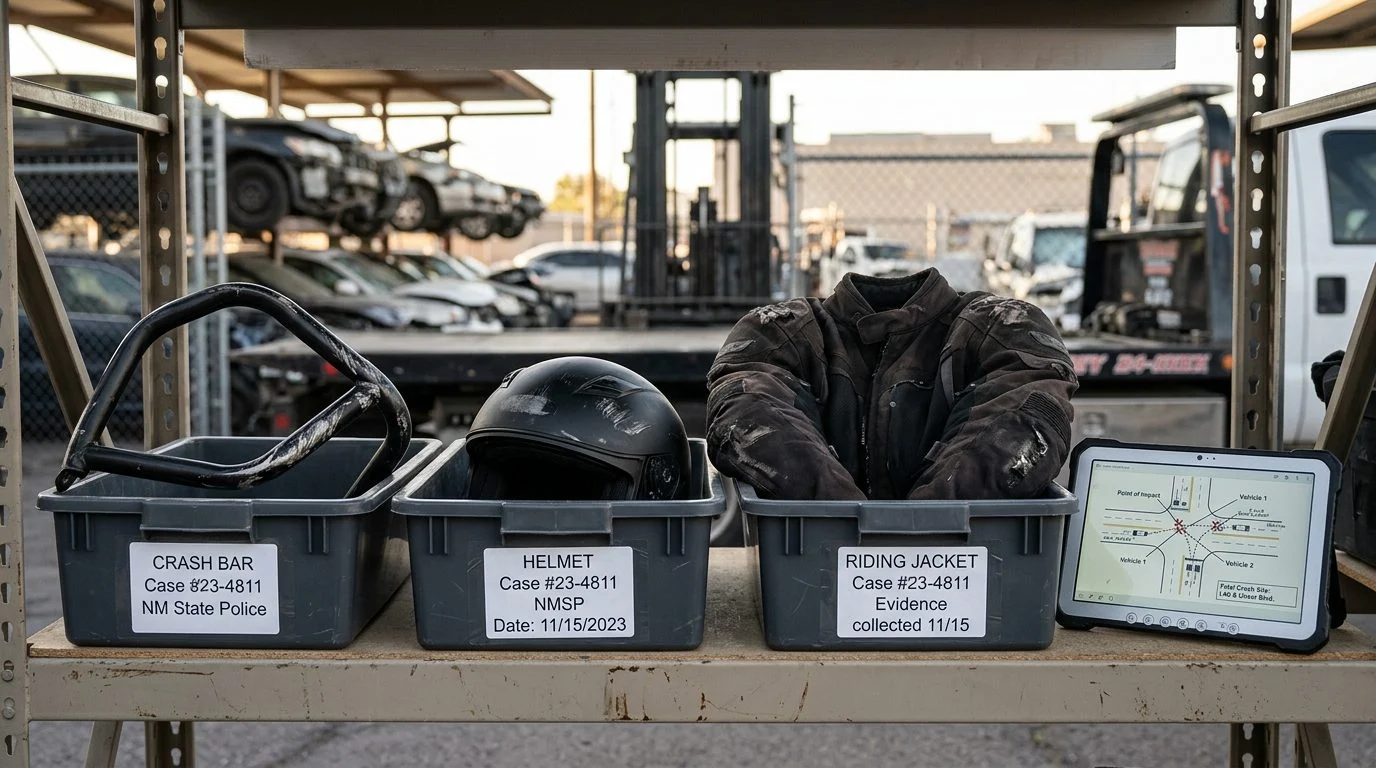
Fatal Crashes · New Mexico
When a Crash Is Fatal, the Vehicle May Hold Answers
A car's event data recorder can save key details from the seconds around a crash. Josh Wood and the El Gringo Law team help New Mexico families understand what that evidence may show.
By Josh Wood · Published November 8, 2026
Black box evidence can be important after a fatal crash in New Mexico, but it is often misunderstood. It stores a short set of data when a crash triggers it. That data may show speed, braking, and seat belt use just before impact. Because the data can be lost, the first days after a crash matter. This page explains what the recorder holds, how it can disappear, and what helps protect it.
What Is the ‘Black Box’ in a Car?
A car’s black box is its event data recorder, or EDR. Most modern passenger vehicles have one. It is often built into or connected to the airbag control module. The name is shorthand. An EDR is not an aircraft-style recorder, and it does not capture the whole trip.
An EDR saves data only when a trigger event happens. Common triggers include a sudden slowdown or an airbag deployment. Not every crash creates a stored event. A low-speed bump may leave nothing behind.
Event data recorders may preserve pre-crash, crash, driver-input, restraint and post-crash information. It also says that information may serve as evidence after a fatal crash. You can read the NHTSA event data recorder page for that point.
Families should expect a short, specific snapshot, not a video of the drive. Setting that expectation early helps you ask the right questions about the car.
If your family's car is still at a tow yard or an insurer's lot, reach out to us so we can talk through what may still be protected before the vehicle changes hands. Talk it through with our team — the first consultation is free, confidential, and carries no obligation.
What an Event Data Recorder Can Capture
An EDR can record vehicle speed, brake application, throttle position, and seat belt status before a crash. It records these items only when the vehicle supports them. The exact list depends on the make, model, and model year. Two cars from different years may store different data.
The recorded window is short. It usually covers a few seconds before the event. It may also include data from the crash itself. Those few seconds can matter a great deal. They show what the driver was doing right before impact.
The module also records crash severity information. Delta-V is the change in the vehicle’s speed during the impact. Airbag deployment timing shows when the restraints fired. Together, these items help show how the crash unfolded. They do not decide who was at fault on their own.
Read the data as one part of the record. A speed reading shows what the car was doing. It does not explain why. Those numbers should be compared with the physical evidence at the scene.
Why Vehicle Data Can Be Lost Quickly
After a fatal crash, the vehicle is often moved to a tow yard, a storage lot, or a salvage auction. Each move creates a new chance for the data to be lost. A car may sit for weeks while paperwork moves through the system.
Stored data can end when the vehicle is repaired, declared a total loss, sold, or crushed. Once a car is crushed, its module goes with it. A new owner may also replace the airbag module or clear the system.
Some data can be overwritten or lost in other ways. In some vehicles, continued driving, a loss of power, or a disconnected battery can affect what the module keeps. The effect depends on the vehicle.
A timely written preservation request is one way a family can ask that evidence be kept. It asks the owner, tow yard, storage facility, or insurer to keep the car and its modules unaltered. Put the request in writing and keep a copy. A phone call alone leaves little proof that the request was made.
How EDR Data Is Retrieved and Read
A qualified technician usually retrieves EDR data with a dedicated crash data tool connected to the module. The work should happen under controlled conditions. That helps keep the data from being changed during the process.
Chain of custody is the written record of who had the vehicle and when. Documentation may also note the tool and software version used, along with the vehicle’s identifying information, such as its VIN. Gaps in that record can make the data harder to rely on later.
Under 49 C.F.R. § 379.1, the preservation of record rules apply to motor carriers and brokers, and to household goods freight forwarders, and also to the accounts, records and memoranda of traffic associations, weighing and inspection bureaus, and other joint activities maintained by or on behalf of those companies. Under 49 C.F.R. § 379.7(a), a carrier may preserve its records by any technology that accurately reflects all of the information in the record and remains accessible in a form that can be accurately reproduced later for reference. For motor carriers, federal rules allow records to be kept by any technology that accurately reflects all of the information and can be accurately reproduced later; this rule covers carrier records, not a car’s event data recorder. For motor carriers, federal rules allow records to be kept by any technology that accurately reflects all of the information and can be accurately reproduced later; this rule covers carrier records, not a car’s event data recorder.
Retrieved data is read alongside other evidence. That includes the police report, scene photos, skid marks, and witness accounts. One module rarely answers every question. Other vehicles in the crash may hold their own data, and each one may tell part of the story.
Other Evidence That Can Work Alongside Vehicle Data
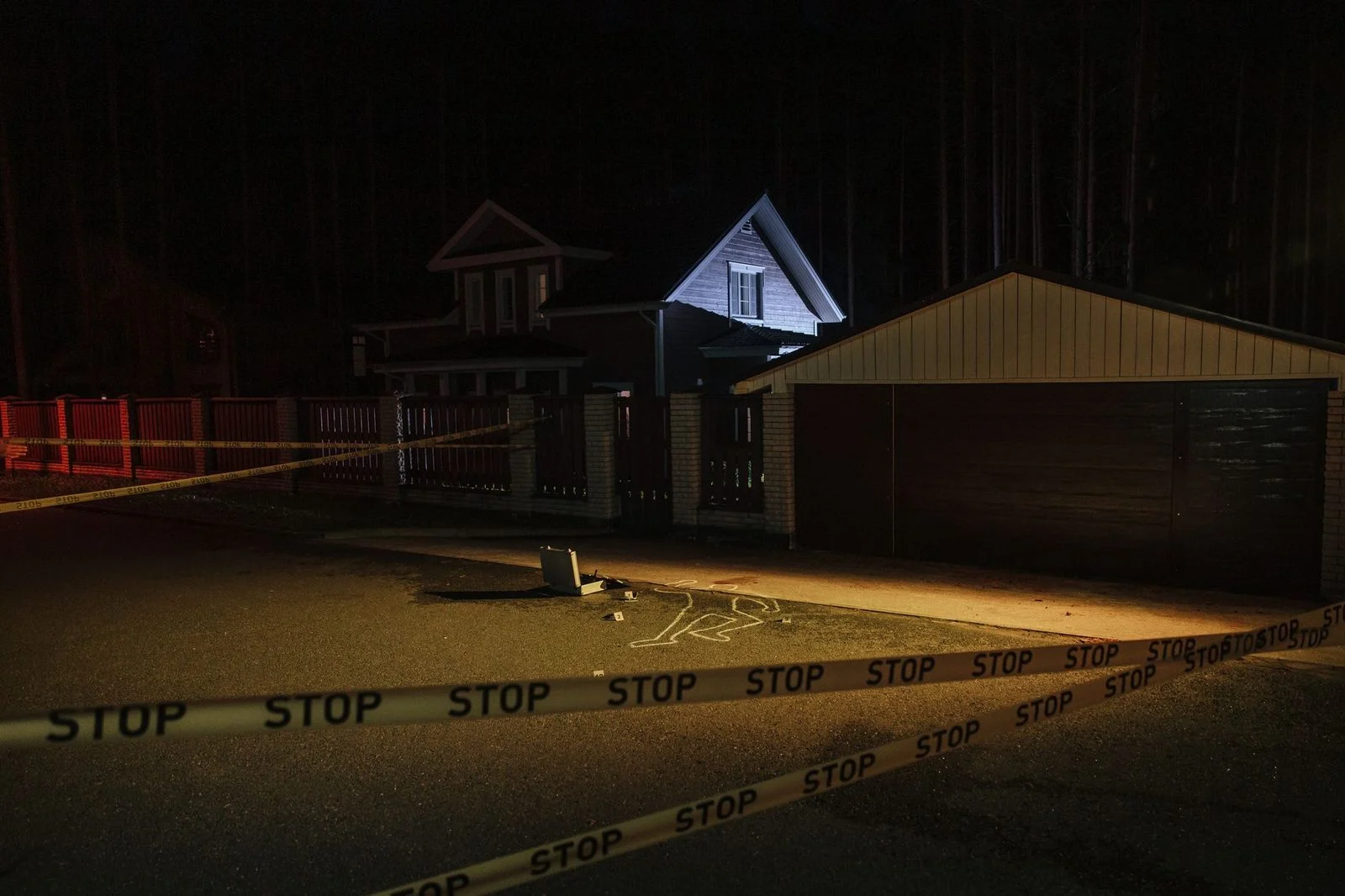
Scene evidence often matters as much as the car’s module. Photos, measurements, and roadway marks can show where vehicles stopped and how they moved. Traffic camera or business surveillance footage can also help, if it exists and was kept.
The crash report matters too. A driver in an accident involving bodily injury, death, or total property damage to an apparent extent of five hundred dollars ($500) or more must forward a written report of the accident to the department of transportation within five days after the accident. Every law enforcement officer who, in the regular course of duty, investigates a motor vehicle accident of which report must be made must, within twenty-four hours after completing the investigation, forward a written report of the accident to the department of transportation; for a commercial motor vehicle accident resulting in bodily injury to a person transported to a medical facility for immediate medical attention, a death, or a vehicle being towed from the scene due to disabling damage caused by the accident, the officer must also forward the report to the motor transportation division of the department of public safety within twenty-four hours. See NMSA 1978, § 66-7-207.
A crash report has limits in court. Under NMSA § 66-7-213, except as otherwise provided in that section, no accident report shall be used as evidence in any trial, civil or criminal, arising out of an accident. That section also lists exceptions.
Toxicology results can take time to arrive. Not every fatal crash includes a blood test. Maintenance, recall, and inspection records can show the vehicle’s condition before the crash.
Commercial trucks carry extra data. An electronic logging device (ELD) automatically records date, time, location, engine hours, vehicle miles, and driver and vehicle identification. See 49 C.F.R. § 395.26. See the FMCSA post-accident testing guidance.
Steps Families Can Take in the First Days After a Fatal Crash
Start by asking for protection in writing. Send a written request to the tow yard, storage facility, or insurer. Ask that the vehicle stay unaltered. Ask to be told before any inspection, repair, or sale.
Keep your paperwork in one place. Save the crash report number, towing and storage receipts, and any photos of the vehicle. Note the date, time, and name of each person you speak with.
Ask that no one repair, salvage, or replace the airbag module until a written preservation agreement is in place. Repairs can happen fast. A sale can change who controls the car.
Write down what you remember while it’s fresh. Include the time, the weather, the lanes, and what you saw or heard. Keep a list of anyone who saw the crash, with a phone number if you have one.
Not sure what your next step is?
Talk it through with our team — the first consultation is free, confidential, and carries no obligation.
How New Mexico Fatal Crash Cases Are Evaluated
A wrongful death claim in New Mexico asks who may be responsible for the crash. It also asks what the surviving family has lost. NMSA § 41-2-1 provides that when a person’s death is caused by the wrongful act, neglect, or default of another, the party who would have been liable had death not ensued shall be liable to an action for damages, notwithstanding the death of the person injured.
Under NMSA § 41-2-1, the liable party may be sued for damages notwithstanding the death of the person injured; the claim itself is brought by and in the name of the personal representative of the deceased person under NMSA § 41-2-3. NMSA § 41-2-3 provides that, provided the decedent has left a spouse, child, father, mother, brother, sister, or child or children of a deceased child, the proceeds of any judgment obtained in such an action shall not be liable for any debt of the deceased, and it sets out how those proceeds are distributed among those survivors.
Time limits apply. NMSA 1978, § 41-2-2 says a wrongful death action must be brought within three years after the cause of action accrues (NMSA 1978, § 41-2-2 — three years from the date of death). It also says the cause of action accrues as of the date of death.
Negligence has basic parts. A claim generally asks whether the defendant owed a duty, breached it, and caused the harm. Herrera v. Quality Pontiac describes that framework. Vehicle data is one piece of this proof, and no single source decides a case alone.
How El Gringo Law Handles Vehicle and Crash Evidence
El Gringo Law handles car accident, trucking accident, and wrongful death matters in New Mexico. If you were injured in Bernalillo County or Sandoval County, you can contact the firm to talk through what happened. Our team can explain what a written preservation request covers and help you prepare one.
Once a family asks for help, our team can review which vehicle, crash report, and related records may matter to the case. We do this with the family’s permission. For a commercial truck, we can also explain which records, such as ELD data, may matter.
Each family’s facts are different. What the records show is not known until they are reviewed. Our role is to help you understand the steps that may still be open.
Talk With Us About the Vehicle Involved in Your Case
If a family member’s car is still at a tow yard or an insurer’s lot, and the crash report is still pending, you may be wondering whether its data is protected. That question is worth raising now, while the vehicle is still available to examine.
You can reach El Gringo Law through our contact page. Use the contact form or the chat options on our website to ask about the vehicle’s status and the preservation steps that may still be possible. The first consultation is free, confidential, and carries no obligation to continue.
Josh Wood, licensed in New Mexico and Arizona, is the responsible lawyer for this page. You can contact El Gringo Law at elgringolaw.com.
Frequently Asked Questions
Is a car’s black box the same as an airplane’s?
No. A car’s event data recorder saves a short set of data after a trigger event. It does not record the whole trip.
How long does a family have to file a wrongful death claim in New Mexico?
Under New Mexico law, a wrongful death action must be brought within three years after the cause of action accrues (NMSA 1978, § 41-2-2 — three years from the date of death). The cause of action accrues as of the date of death.
What vehicle data can add to a fatal crash review
Seconds before impact
Event data recorders can save a short set of information around a trigger event, such as speed, braking and throttle.
Facts that can be checked
Recorded data can help test accounts of how a crash happened, alongside police reports, witness statements and other records.
Evidence that needs protecting
Vehicles are often towed, repaired or sold after a crash. Acting early helps protect the vehicle and the information it may contain.
Support for families
Our team focuses on keeping families informed while we work through the evidence, step by step.
Do not wait to ask about the vehicle
A family dealing with a loss may not know where the vehicle is or whether its data has been saved. Asking early about the vehicle can help protect what it may hold.
Common questions about black box evidence
Is a car's black box like an airplane's?
No. A car's event data recorder saves a short set of data after a trigger event. It does not record the whole trip.
Which fatal crashes may involve this evidence?
Car and truck crashes, and other fatal incidents involving a vehicle, may have data worth reviewing. Every case turns on its own facts.
Who helps with the evidence?
Josh Wood, a lawyer at El Gringo Law, and our team work to identify and preserve the evidence that matters to your family's case.
What happens in a first consultation?
A free, confidential consultation with no obligation to continue. We listen, answer your questions and explain what comes next.