Wrongful Death | New Mexico
When a Death Was Caused by Someone Else's Wrongful Conduct, Your Family Has Questions
El Gringo Law explains the grounds for a New Mexico wrongful death lawsuit and how the claim process works, in plain language, for families across the state.
By Josh Wood · Published October 30, 2026
What are the typical grounds for a wrongful death lawsuit? In New Mexico, the grounds are a wrongful act, neglect, or default by someone else that causes a person’s death. The most common examples involve negligence, unsafe driving or trucking, unsafe property, poor security, intentional violence, and deaths that follow serious injuries.
If you are reading this after a loss, you may also be handling funeral plans and paperwork. That is a lot at once. Knowing what the law asks is a useful first step, even if you aren’t ready to make any decisions yet.
What “grounds” means in a wrongful death lawsuit
Section 41-2-1 provides that whenever a person’s death is caused by the wrongful act, neglect or default of another, even under circumstances that amount in law to a felony, and the act would have entitled the injured party to sue and recover damages had death not ensued, the person or corporation that would have been liable shall be liable to an action for damages, notwithstanding the death of the person injured.
Here is the key test. Would the injured person have had a valid claim if they had survived? If so, the family may have a wrongful death claim based on the same conduct.
A wrongful death claim is a civil case. It runs separately from any criminal case. Families often ask how the two fit together, and the answer is that each one follows its own track.
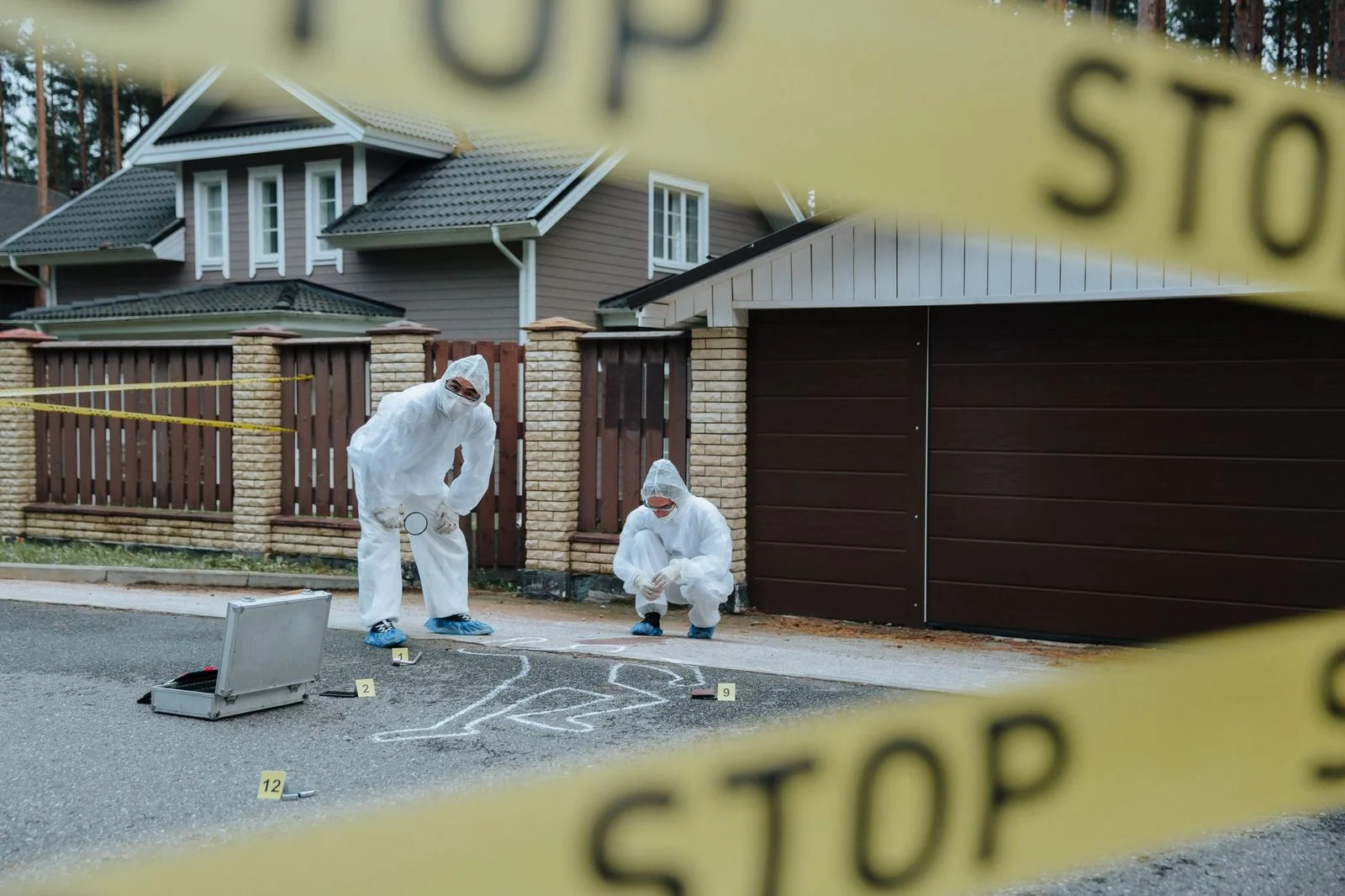
The facts you gather early matter. Who was involved, what happened first, and what records exist all shape which grounds may fit. Keep every report, photo, and message you can find.
If a loss has left your family with questions about who may be responsible, you don't have to sort that out alone. Our team offers a free, confidential consultation with no obligation. Talk it through with our team — the first consultation is free, confidential, and carries no obligation.
Negligence is the most common ground
Negligence is the most common ground for a wrongful death claim because it covers ordinary carelessness. A negligence claim generally requires a duty owed to the person, a breach of that duty, and a breach that caused the harm. Under Herrera v. Quality Pontiac, a negligence claim generally requires a duty from a defendant to a plaintiff, a breach of that duty (typically based upon a standard of reasonable care), and the breach being a proximate cause and cause in fact of the plaintiff’s damages.
Causation is often the hard part. New Mexico’s causation instruction says an act is a cause if it “contributes to bringing about the injury” and the act is “reasonably connected as a significant link to the injury”; the instruction may also add that the injury would not have happened without it. The act “need not be the only explanation” for the injury. UJI 13-305 NMRA states it this way: the act must contribute to bringing about the injury, and the act must be reasonably connected as a significant link to the injury.
A chain of failures can also count, and more than one person may have contributed.
Shared fault does not automatically end the claim. In Scott v. Rizzo, the New Mexico Supreme Court adopted a pure comparative negligence standard, so an injured person’s own share of fault reduces the damages by that percentage but does not bar recovery. Under New Mexico’s pure comparative negligence standard (Scott v. Rizzo), an injured person’s own share of fault reduces the damages by that percentage but does not bar recovery, even when that person is mostly at fault.
Police reports, medical records, and witness accounts help show what went wrong and what caused the death.
Fatal car and trucking accidents
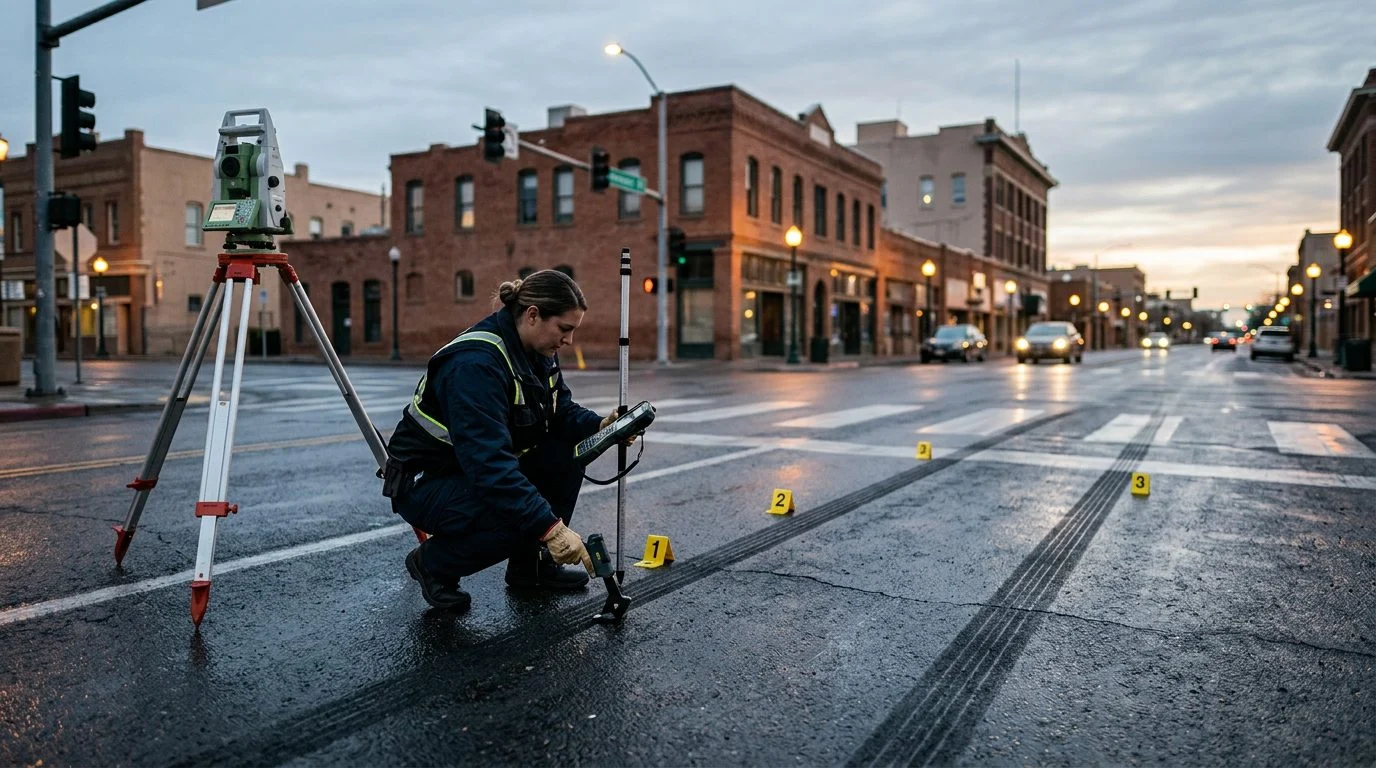
Fatal crashes are one of the most common settings for a wrongful death claim. Speeding, distraction, impairment, running a red light, and unsafe lane changes can each be the wrongful act.
New Mexico’s speed law bars driving faster than 30 miles per hour in a business or residence district. It also requires a driver to control speed as needed to avoid colliding with a person or vehicle. Under Section 66-7-301, no person shall drive a vehicle on a highway faster than fifteen miles per hour when passing a school while children are going to or leaving school and the school zone is properly posted, or faster than thirty miles per hour in a business or residence district, among the other limits the section sets.
Commercial trucks follow federal rules too. Under 49 C.F.R. § 395.3, except as § 395.1 provides otherwise, a driver of a property-carrying commercial motor vehicle may not drive without first taking 10 consecutive hours off duty. A driver also may not drive after 14 consecutive hours that begin when they come on duty after that rest. Total driving time in that period is capped at 11 hours.
Under 49 C.F.R. § 392.3, no driver may operate a commercial motor vehicle while fatigue, illness, or another cause makes it unsafe to do so, except that in a case of grave emergency where the hazard to occupants of the commercial motor vehicle or other users of the highway would be increased by compliance with this section, the driver may continue to operate the commercial motor vehicle to the nearest place at which that hazard is removed.
Other parties can share responsibility. A vehicle owner may face a negligent entrustment claim if it lent a vehicle to a driver it knew or should have known was incompetent. DeMatteo v. Simon, 1991 lists the elements of that claim.
Premises liability and negligent security
A property owner can be liable when an unsafe condition or missing protection causes a death on the property. Fatal falls, collapses, and drownings can involve hazards that were never repaired or never warned about.
New Mexico’s instruction says a landowner must use ordinary care to keep the premises safe for visitors. UJI 13-1309 NMRA states that duty. It can still apply when a danger is obvious. The exception is when the court finds the visitor’s negligence was unforeseeable as a matter of law.
Under UJI 13-1309, an owner or occupant of property owes visitors a duty to use ordinary care to keep the premises safe for use by the visitor. UJI 13-1320 NMRA addresses a visitor injured by the acts of a third person.
The word “foreseeable” does the work here. Earlier incidents, complaints, and known risks can show whether the harm was predictable.
Intentional wrongdoing, including sexual assault and violence
A wrongful death claim can rest on intentional harm, not only on accidents. A death caused by violence, including sexual assault, may support a claim against the person who acted. It may also support a claim against others whose negligence allowed the harm.
The same security instruction reaches intentional and criminal conduct. The commentary explains that the jury weighs the owner’s failure to protect visitors against the third party’s conduct. UJI 13-1320 NMRA explains the balance.
New Mexico generally limits each defendant to its own share of fault. Joint and several liability still applies to persons who acted with the intention of inflicting injury. Under Section 41-3A-1, in any cause of action to which comparative fault applies, joint and several liability of two or more wrongdoers is abolished and each defendant’s liability is several, except where the section provides otherwise; for example, joint and several liability still applies to any person who acted with the intention of inflicting injury or damage.
For many families, the hardest part is the timing. A criminal case may move on its own schedule. Your civil questions do not have to wait for it.
Deaths that follow catastrophic injuries
The question is whether the original wrongful act contributed to bringing about the death.
Serious injuries such as spinal cord injuries, severe burns, and amputations can bring complications over time. Medical records and treatment timelines help connect the first injury to the later death.
Families should keep records from the start. Save hospital discharge papers, bills, and notes from doctors and insurers. A clear timeline makes the medical story easier to follow later.
For more on how these injuries are handled, see our catastrophic injury lawyer page.
Not sure what your next step is?
Talk it through with our team — the first consultation is free, confidential, and carries no obligation.
Who can bring the claim and what it can cover
The personal representative brings a New Mexico wrongful death claim. NMSA 1978, § 41-2-3 provides that every action mentioned in Section 41-2-1 shall be brought by and in the name of the personal representative of the deceased person; Section 41-2-1 is the law that makes the person or corporation that would have been liable if death had not ensued liable to an action for damages when a death is caused by the wrongful act, neglect or default of another.
Recovery goes to people named in the statute. These include a surviving spouse, children, grandchildren, parents, and siblings, depending on who survives. The proceeds are distributed by statute, starting with a surviving spouse and children.
The jury may award compensatory and exemplary damages it deems fair and just. It considers the pecuniary injury to the person entitled to the judgment and the circumstances of the wrongful act. Each case depends on the facts.
As Thompson v. City of Albuquerque explains, loss of consortium damages result from the wrongful injury or death of someone in a sufficiently close relationship to the claimant, and those damages belong to the loss of consortium claimant rather than to the injured person or the decedent’s estate.
The deadline matters. NMSA 1978, § 41-2-2 provides that every action instituted by virtue of the provisions of this and the preceding section must be brought within three years after the cause of action accrues, and that the cause of action accrues as of the date of death (NMSA 1978, § 41-2-2 — three years from the date of death). Confirm the timing early.
For how these claims are paid for, read our guide on who pays a wrongful death lawsuit.
If your family is facing this decision now
If a family member has died, you may be juggling funeral plans, a pending crash report, and questions you didn’t expect. Those questions can pile up fast.
What are the typical grounds for a wrongful death lawsuit?
Deaths that follow serious injuries can also qualify.
Can a wrongful death claim proceed if the person who died was partly at fault?
Yes. New Mexico follows pure comparative negligence, so shared fault does not totally bar the claim.
How long does a family have to file?
The action must be brought within three years after the cause of action accrues, which is the date of death (NMSA 1978, § 41-2-2 — three years from the date of death).
Josh Wood is the lawyer responsible for this page. He is licensed in New Mexico and Arizona and practices with El Gringo Law. Our team offers a free, confidential initial consultation with no obligation to continue. You can reach us through our contact page at elgringolaw.com.
Situations Families Often Ask Us About
Car Accidents
Fatal crashes caused by another driver's negligence, including distracted, impaired or reckless driving.
Trucking Accidents
Deaths involving commercial vehicles, where the driver, carrier or other parties may share responsibility.
Premises Liability
Deaths that happened on property where a hazard was not fixed or a warning was not given.
Negligent Security
Deaths linked to inadequate security at a business, apartment complex or other property.
How El Gringo Law Can Help
Free, Confidential First Consultation
Talk with our team about your family's situation at no cost and with no obligation to continue.
Clear Explanations
We explain the legal grounds in plain language so you can make informed decisions during a difficult time.
A Team That Listens
Our lawyers and staff focus on wrongful death and serious injury cases and keep families informed at every step.
Serving New Mexico
We represent families in communities across the state, including Santa Fe, Las Cruces and Rio Rancho.
Keep What You Have
If you have a police report, medical records, bills, photos or messages related to the incident, keep them in one place. This information can help when you talk with us about your family's situation.