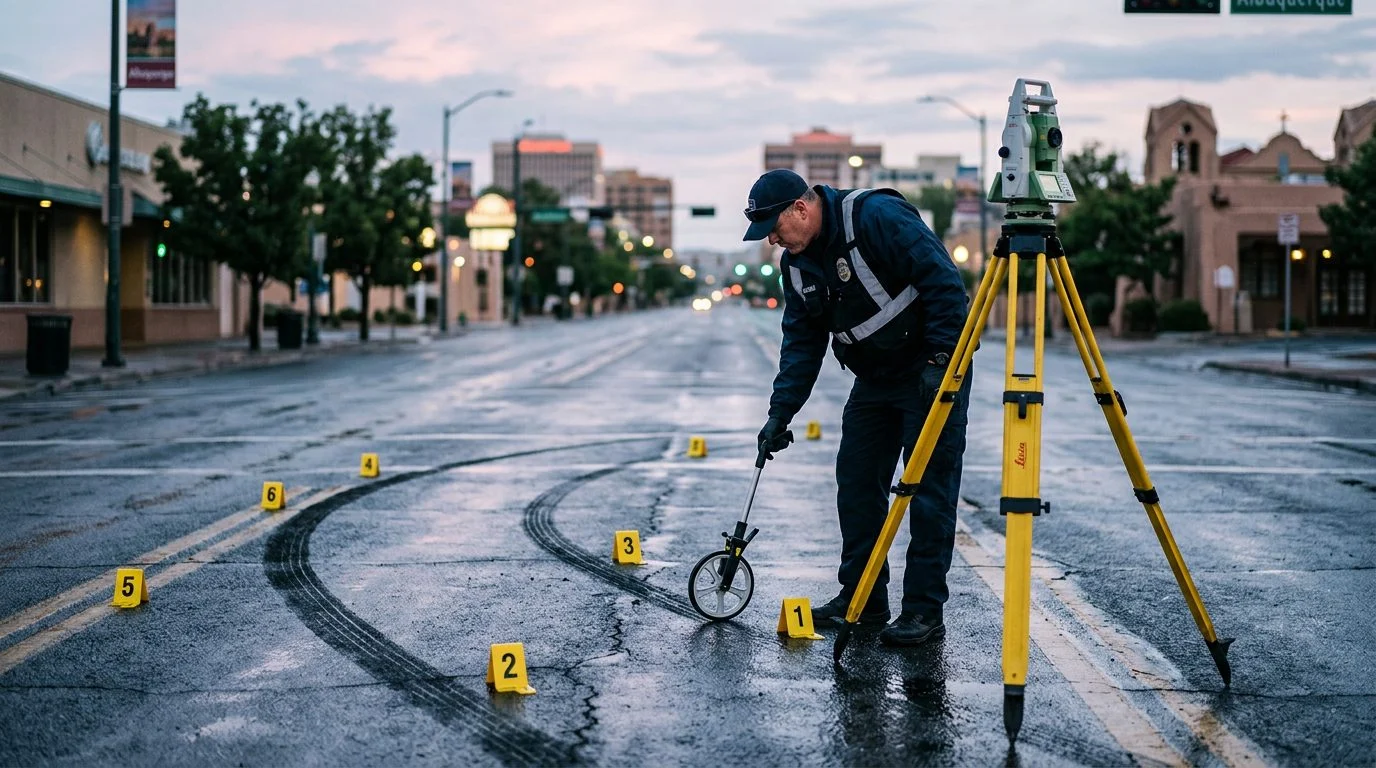
Wrongful Death · Albuquerque and Bernalillo County, New Mexico
Wrongful Death Lawyer in Albuquerque, New Mexico
When a loved one dies because of someone else's negligence, El Gringo Law stands with the family, asks the hard questions, and fights for accountability. Your first consultation is free, confidential, and comes with no obligation to continue.
By Josh Wood · Published October 30, 2026
A wrongful death claim lets a family seek money damages after a death caused by another party’s wrongful act, neglect or default that would have entitled the injured person to maintain an action and recover damages had death not ensued. New Mexico’s wrongful death statute, Section 41-2-1, provides that whenever the death of a person is caused by the wrongful act, neglect or default of another, and that act, neglect or default would, if death had not ensued, have entitled the injured person to maintain an action and recover damages, the person or corporation that would have been liable if death had not ensued shall be liable to an action for damages, notwithstanding the death of the person injured, even if the death was caused under circumstances that amount in law to a felony. Every action brought under this section and the preceding section must be brought within three years after the cause of action accrues, and accrual occurs on the date of death (NMSA 1978, § 41-2-2). This page explains who can file, what a claim can cover and how the process works for families in Albuquerque and Bernalillo County. El Gringo Law handles wrongful death claims that arise from car accidents, trucking accidents, premises liability, negligent security, sexual assault and catastrophic injuries.
What a Wrongful Death Claim Is and Who Can File One
A wrongful death claim is a civil lawsuit that asks a court for money after someone dies. It is a separate case from any criminal case. New Mexico’s wrongful death statute, Section 41-2-1, provides that when a person’s death is caused by the wrongful act, neglect or default of another, even if the circumstances amount in law to a felony, and that conduct would have entitled the injured person to bring an action and recover damages had death not ensued, the person or corporation that would have been liable remains liable to an action for damages, notwithstanding the death of the injured person.
The case is filed in the name of the personal representative, the person who handles the deceased person’s estate. Under § 41-2-3, where the decedent has left a spouse, child, father, mother, brother, sister or child or children of the deceased child, the proceeds of a judgment are not liable for the deceased person’s debts. The statute then sets an order for who receives them. That order can include a surviving spouse, children, grandchildren, parents and siblings.
Who serves as personal representative depends on the estate’s paperwork and the family’s situation. Our team can explain how that role would work for your family.
If a family member died in a crash, a truck collision, or a violent attack, you may have a claim worth reviewing, and our team can talk it through with you. Talk it through with our team — the first consultation is free, confidential, and carries no obligation.
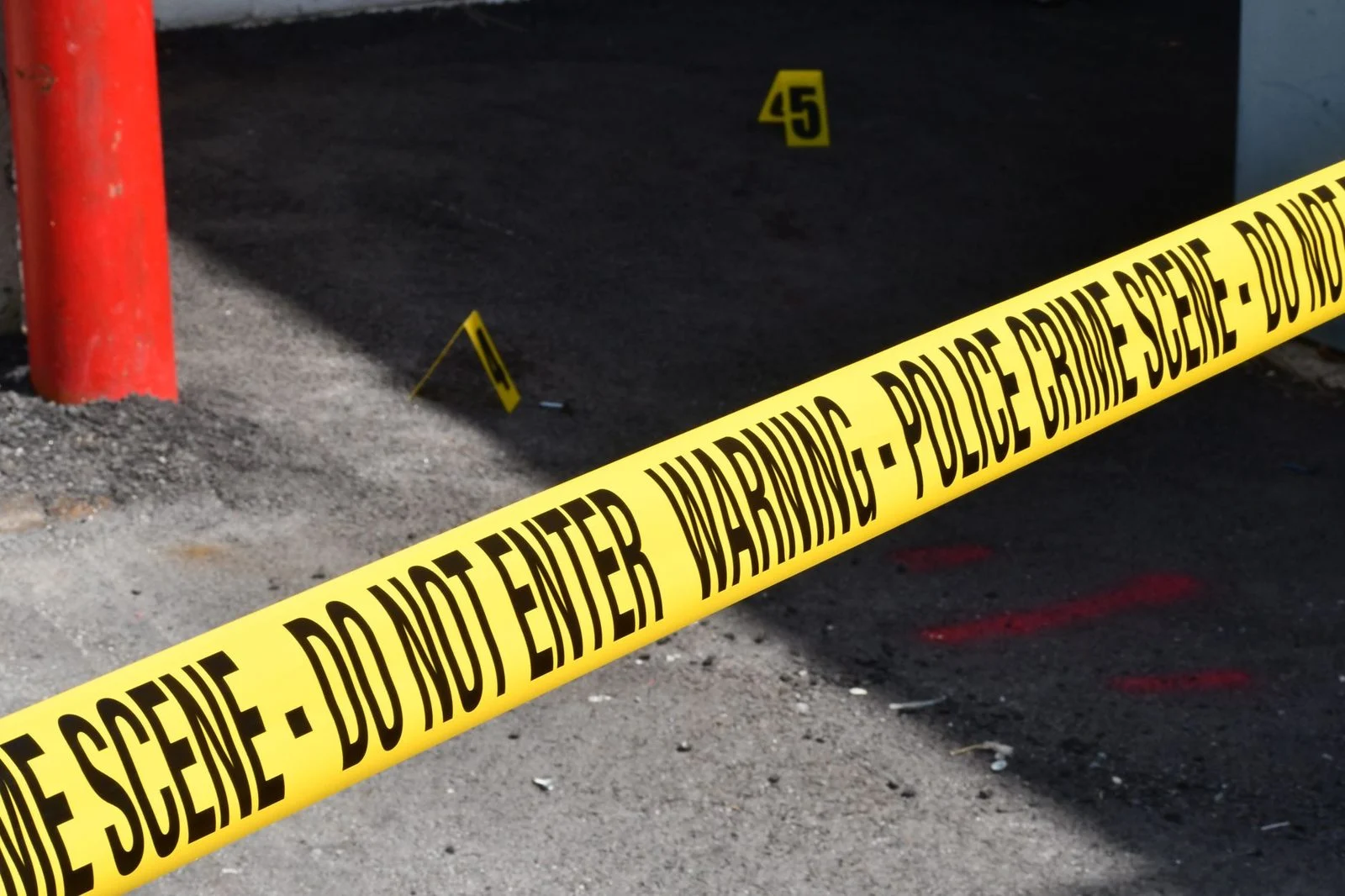
Wrongful Death Situations El Gringo Law Handles in Albuquerque
Our team handles wrongful death claims that follow car accidents, trucking accidents, premises liability, negligent security, sexual assault and catastrophic injuries. Whether a specific death fits one of these categories depends on the facts.
- Car accidents: fatal collisions on city streets, highways and interstates, where a driver’s negligence, such as speeding, distraction or impairment, is alleged.
- Trucking accidents: fatal crashes involving commercial trucks, where the driver, the carrier or others may share responsibility. Under 49 C.F.R. § 395.3, among other requirements, a motor carrier may not permit or require a driver to drive a property-carrying commercial motor vehicle without first taking 10 consecutive hours off duty, and a driver may not drive after 14 consecutive hours following that off-duty period.
- Premises liability: deaths linked to unsafe property conditions, such as poor maintenance, unfixed hazards or missing warnings.
- Negligent security: deaths during an assault or violent crime where poor security at a property may have played a part.
- Sexual assault and catastrophic injuries: deaths that follow these harms, where the family is pursuing a claim.
In general, a negligence claim needs a duty owed, a breach of that duty, and a breach that was a proximate cause (a direct cause) of the harm, as Herrera v. Quality Pontiac explains.
What a Wrongful Death Claim Can Cover
A New Mexico jury may award compensatory and exemplary damages it finds fair and just, taking into consideration the financial loss (pecuniary injury) the death causes to the family members entitled to the judgment. The jury may also weigh the circumstances that make the wrongful act worse or less serious. That rule comes from § 41-2-3.
Some close family members may also bring a loss of consortium claim. That claim belongs to the family member, not to the estate, according to Thompson v. City of Albuquerque. The family member must show a mutually dependent relationship with the person who died. That means they relied on each other and could not enjoy life in the same way afterward, under UJI 13-1810A NMRA.
If the person who died was partly at fault, New Mexico uses pure comparative negligence (shared fault). When more than one party is at fault, each is generally liable only for its own share, under § 41-3A-1.
No dollar amount can be predicted from a general description of a death. Every case is different. Insurance coverage and the parties involved can shape how a claim moves forward, and our team reviews both.
How Long Families Have to File in New Mexico
A wrongful death lawsuit must be filed within three years after the date of death, under § 41-2-2. The clock starts on the date of death.
Different rules apply when a city, county, state agency or public employee may be responsible. For wrongful death, written notice may be presented within six months after the injury that caused the death, under § 41-4-16. A suit against a government entity for which immunity has been waived under the Tort Claims Act generally cannot go forward without that notice, unless the entity had actual notice of the occurrence, under § 41-4-16.
Early action also protects evidence. Crash reports, surveillance video, vehicle data and witness memories can be lost or fade over time. Reviewing the dates early shows a family which deadlines may apply to their case.
How the Process Works, Step by Step
The process starts with a free, confidential consultation with no obligation to continue. From there, the claim moves through investigation, a demand to the insurer and, if needed, a lawsuit.
- Consultation. The family shares the basic facts of the death.
- Case review and investigation. Our team gathers the crash or police report, medical and death records, and any evidence that needs protecting.
- Demand and negotiation. A written demand goes to the insurer or responsible party, and settlement talks follow. Evidence of compromise offers and settlement talks is generally not admissible to prove or disprove the validity or amount of a disputed claim, under Rule 11-408 NMRA.
- Lawsuit if needed. If a fair resolution is not reached, the claim may be filed in court. Court cases can take many months or longer.
The client may be responsible for court costs and the expenses of litigation even if there is no recovery. The written agreement with El Gringo Law sets out how those costs work.
Why Families Work With El Gringo Law
El Gringo Law serves families in Bernalillo County, Sandoval County, Rio Rancho, Santa Fe, Las Cruces, Taos and Farmington. Josh Wood is the responsible lawyer for this page. He is licensed in New Mexico and Arizona.
Our team includes the firm’s lawyers and support staff, and they work on these matters together. Our approach is plain: clear answers, direct updates and questions answered at each stage.
You can reach the firm through its website at elgringolaw.com. The contact form there is the quickest way to send your questions.
Not sure what your next step is?
Talk it through with our team — the first consultation is free, confidential, and carries no obligation.
Frequently Asked Questions About Wrongful Death Claims in Albuquerque
Who can bring a wrongful death claim in New Mexico?
The personal representative files the case. The statute sets an order for who may share in any judgment.
Is a wrongful death claim tied to a criminal case?
A wrongful death claim is a civil case. It is separate from any criminal case.
Will we have to go to court?
Some claims settle before trial. If a fair resolution is not reached, a lawsuit may be needed.
What is the deadline for a wrongful death Albuquerque NM claim?
Generally, a wrongful death lawsuit must be filed within three years after the date of death, under § 41-2-2. Claims against government entities can have shorter deadlines and notice rules.
Who pays court costs?
The client may be responsible for court costs and the expenses of litigation in the absence of a recovery. The written agreement explains those terms.
If a family member died in a crash, a trucking collision, a property incident or a violent attack, you may have a claim worth reviewing. Send your questions through the contact form, and our team will review the three-year deadline with you.
How we can help your family
Compassionate, direct guidance
Losing a loved one is devastating. We explain each step in plain language so you can make decisions at your own pace.
Focus on accountability
We investigate how the death happened and work to hold the responsible party answerable for the harm to your family.
Help gathering the facts
We work with police reports, medical records, and other documentation to build the picture of what happened.
Serving families across New Mexico
We represent families in Bernalillo County, Sandoval County, Santa Fe, Rio Rancho, Las Cruces, Taos, Farmington, and surrounding communities.
Keep these records safe
If you have them, gather death certificates, medical and hospital records, bills, photos, and any police or accident reports. Keep copies of everything, and write down what you remember while it is fresh.
Types of cases we handle
Car and trucking crashes
Fatal collisions involving passenger vehicles, commercial trucks, and other large vehicles.
Premises and negligent security
Deaths caused by dangerous property conditions or inadequate security at a business or property.
Sexual assault and violence
Wrongful death claims arising from sexual assault or other violent acts that resulted in a loss of life.
Catastrophic and burn injuries
Cases where severe spinal cord injuries, amputations, burns, or other catastrophic harm led to a death.